


 Pollution is a global issue that is responsible for a myriad of diseases. For decades, environmentalists around the world have been shedding light on the effects of pollution and demanding governments to take action before it’s too late. Unfortunately, it seems like the damage has already been done and there’s nowhere to escape pollution – not even at your own home. If you think that staying in will limit your exposure to polluted air, then you need to read this article.
Indoor air could actually be more polluted than outdoor air, here’s why.
Stale Indoor Air
When you keep your windows and doors shut all the time to keep the ‘bad’ air away, you are actually doing more harm than good. It’s extremely important to recycle the indoor stale air that you breathe. Otherwise, whatever pollutants and harmful germs that are trapped inside your house will fester and grow even with an HVAC system. The best thing you can do is to air your house every day for a few hours and let the sunshine in to kill off health-compromising germs and microbes.
Dust Accumulation
Dust accumulation is a pesky problem that every household has to deal with. No matter how often you vacuum the floors and wipe down the surfaces around your home, you will never completely get rid of dust. When this harmful allergen that is mainly composed of dead skin, pollen, and other fibers circulates inside your home, it compromises the quality of the air you breathe.
Even if you are an avid cleaner, you will need some help to protect your home from dust. You can invest in an air filter or a purifier since both of them serve the same purpose. However, there are some interesting comparisons when it comes to how each one works. Air filters are installed inside the HVAC system ducts to catch any contaminants before they can make their way through your air conditioner. Purifiers, on the other hand, are standalone devices that use UV light to eradicate pollutants and trap floating particles. Whether you choose an air filter or purifier, you have to make sure to clean them frequently to keep your indoor air at optimum quality.
Cigarette Smoke
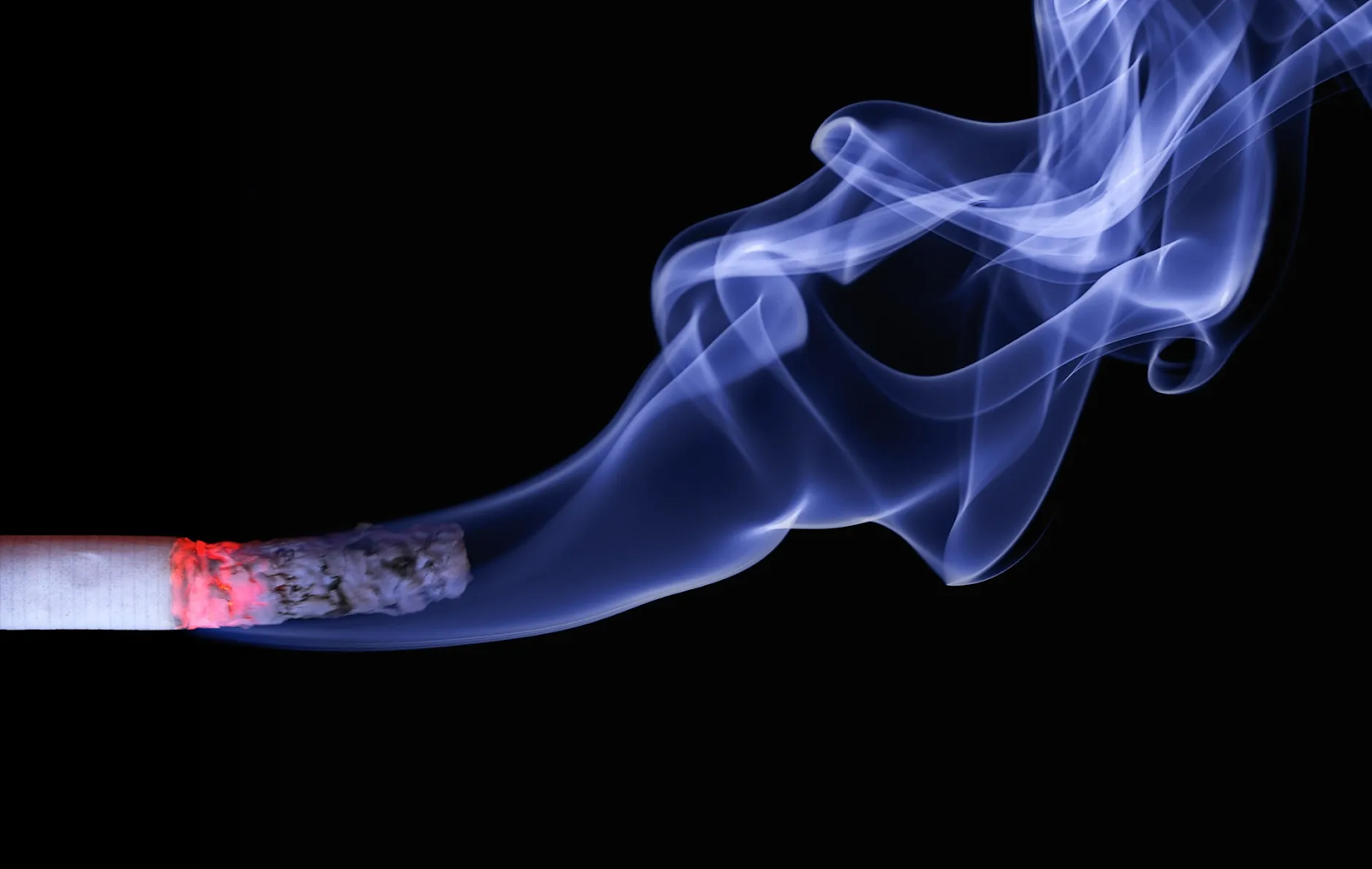 Unlike when you are outdoors, smoke does not disappear once you put out a cigarette in an enclosed space; it stays hanging in the air, compromising its quality. As a matter of fact, cigarette smoke is a deadly carcinogen that threatens the lives of everyone in the house, especially children and older people. Unless you have an efficient ventilation system equipped with an air filter or a purifier, it is better to refrain from smoking indoors.
Harmful Chemicals in Cleaning Detergents
This might come as a surprise, but using chemical detergents liberally to disinfect your home thinking that more is better is actually putting your life at risk. Cleaning detergents are made of harsh chemicals that can act as respiratory irritants when used over a prolonged period. In fact, studies show that people who work as professional cleaners and use these detergents at least once a week have shown clear signs of faster deterioration in lung functionality. However, this doesn’t mean that you should not clean your house regularly; just be mindful of the quality and quantity of chemical detergents that you are using. Or, simply replace them with alternative products like baking soda and white vinegar.
Burning Candles and Incense
Burning candles and incense creates a cozy vibe and brings warmth to your home. However, using them regularly can negatively affect your indoor air quality. The smoke they emit carries hazardous particles that stay lingering behind in the air. If you want to continue using your fragrant candles and incense safely, choose organic ones.
You can find many options on the market for organic candles made from natural ingredients like beeswax and coconut wax. When burned, those don’t emit any harmful smoke, which means that you can use them as frequently as you desire. But in any case, making sure you have proper ventilation is always a good idea to keep the air flowing.
Polluted indoor air can cause many health problems like lung and heart diseases and respiratory allergies, but the good news is that you can take matters into your own hands and do something about it. Now that you know the probable causes of poor indoor air quality, you can create new, healthier habits. Let the fresh outside air in and install an efficient filtration system. Also, become a smart shopper when you are buying cleaning detergents and fragrant air fresheners and candles. This way, you will be able to turn your home into an all-around safe space for your family.






