Opinion | The Katy News
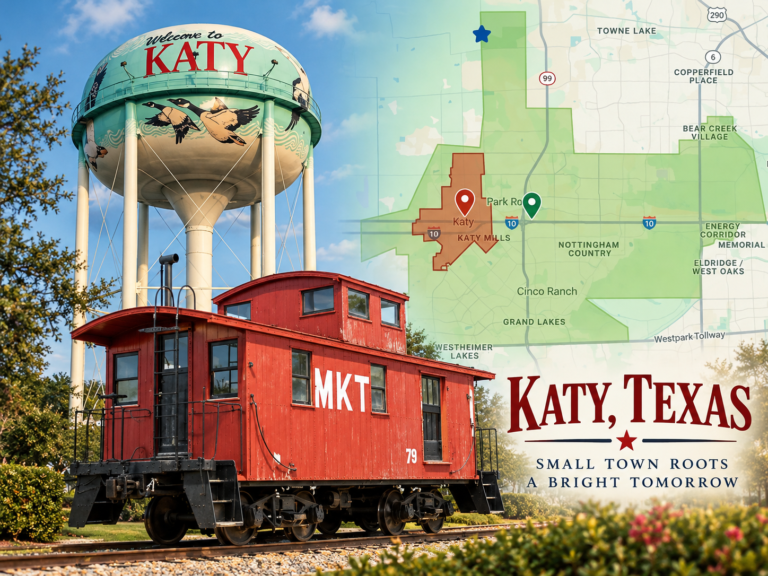
KATY, TEXAS — Katy is growing, and with that growth comes an important responsibility: making sure the next generation understands what it means to be part of a community.
New neighborhoods, schools, and businesses are bringing thousands of families into the greater Katy area. But buildings and roads alone do not make a community strong. People do.
For decades, volunteers, churches, schools, nonprofit organizations, and local service clubs have helped shape Katy into the community residents know today.
As Katy continues expanding, perhaps one of the most important investments we can make is not another building or shopping center.
It is an investment in our children.
Should Katy Parents and Schools Encourage More Community Service?
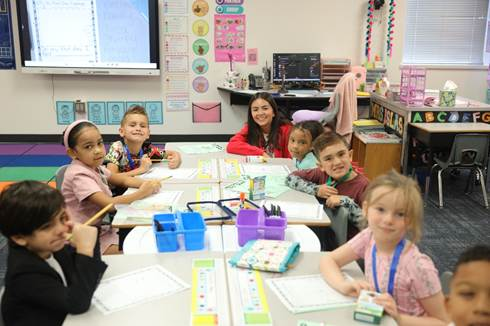
Children learn about responsibility, kindness, and leadership in many ways. Some of the most valuable lessons happen outside the classroom.
When students volunteer at a community event, help organize a food drive, assist senior residents, or participate in a neighborhood cleanup, they see firsthand how their actions can make a difference.
Those experiences can teach teamwork, communication, accountability, and respect for others.
Parents and schools already encourage students to pursue academic achievement, athletics, and extracurricular activities. Community service deserves a place alongside those opportunities.
Not simply because volunteer hours may strengthen a college application, but because young people benefit from understanding the communities they live in.
Youth Service Clubs Can Bring Katy’s Neighborhoods Together
Greater Katy includes communities such as Cinco Ranch, Elyson, Cane Island, Firethorne, Tamarron, Fulshear, and historic Katy.
Although families may live in different neighborhoods or attend different schools, they share many of the same roads, parks, businesses, and community resources.
Youth service organizations can bring these students together.
Programs such as Leo Clubs, sponsored by Lions Clubs, give young people opportunities to participate in service projects while developing leadership and organizational skills.
Other organizations, including Key Clubs, Scouts, National Honor Society chapters, and student-led volunteer groups, also offer opportunities for community involvement.
A student from one school might work alongside another student from a different campus to collect food, support a community event, or help an organization serving local families.
Those shared experiences can build friendships and connections that extend beyond school boundaries.
And as Katy grows, those relationships may become increasingly important.
Preserving Katy’s Small-Town Character Starts With Participation
Katy’s history is filled with examples of neighbors coming together.
From local festivals and school activities to charitable fundraisers and community improvement projects, volunteers have helped maintain traditions that give Katy its identity.
But traditions do not preserve themselves.
They require people willing to participate and eventually take responsibility for organizing them.
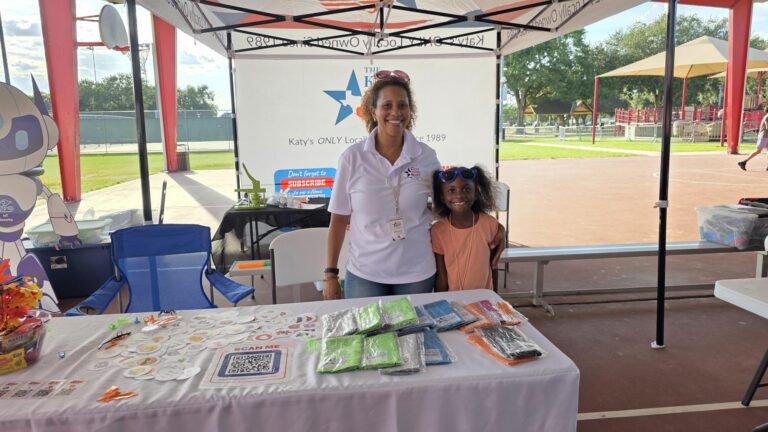
Imagine students helping at the Katy Rice Harvest Festival, volunteering at community safety events, supporting local food pantries, or assisting organizations that serve older residents.
These activities introduce younger generations to the people and traditions that helped shape Katy.
They also give longtime residents opportunities to share their knowledge and experiences.
That connection between generations is something worth protecting.
What Role Should Katy ISD, Harmony and Local Schools Play?
Katy ISD, Harmony and other schools serving the area have an opportunity to encourage students to become more involved in their communities.
Community service does not necessarily need to become another mandatory school requirement.
Schools can help by sharing volunteer opportunities, recognizing student contributions, and working with established local service organizations.
Parents can support those efforts by helping children find activities that match their interests and abilities.
Local businesses can contribute by sponsoring youth programs, providing supplies, or supporting community projects.
A successful approach should be accessible to students from different schools and financial backgrounds.
Some families may not have the transportation, time, or resources to participate in every activity. Flexible schedules, accessible locations, and low-cost opportunities can help more students become involved.
Community Service Should Be About More Than Volunteer Hours
One concern worth addressing is the tendency to measure student service primarily by the number of hours completed.
Hours may be important for school recognition or graduation programs, but the real value goes beyond a certificate.
A student who spends an afternoon helping a senior resident may develop a stronger appreciation for older generations.
A teenager helping organize a community fundraiser may discover leadership abilities they never knew they had.
Another student volunteering at a public event may learn how much planning and cooperation goes into making that event successful.
These experiences can have a lasting influence.
The purpose should not be to make students feel obligated to volunteer. It should be to help them discover the satisfaction of contributing to something larger than themselves.
Parents Have an Important Role
Parents are often the first people who introduce children to community involvement.
When children see their parents volunteering, helping neighbors, or supporting local organizations, they learn that community participation is a normal part of life.
Families can start with simple activities.
They might participate in a neighborhood cleanup, donate supplies to a local nonprofit, attend a community event, or volunteer together during the holidays.
These experiences do not have to require large amounts of money or time.
What matters is building a habit of participation.
A family that volunteers together also has an opportunity to spend meaningful time together while helping others.
Local Organizations Need the Next Generation
Many community service organizations depend on volunteers who have dedicated years of their lives to helping others.
Their experience and commitment are valuable, but organizations also need younger members who can eventually carry that work forward.
Youth service clubs can help develop future nonprofit leaders, volunteers, business owners, and engaged residents.
Students who begin volunteering in middle school or high school may continue participating as adults.
Some may eventually lead organizations, organize local events, or mentor younger students.
Others may simply become the neighbors who step forward when someone needs help.
Both outcomes matter.
Keeping Katy Connected as It Grows
There is little reason to believe Katy’s growth will stop anytime soon.
New families will continue bringing different backgrounds, experiences, and ideas into the community.
That diversity of experience can strengthen Katy, particularly when residents have opportunities to work together toward shared goals.
Community service offers one way to build those connections.
It allows students to meet people outside their immediate circles, understand local needs, and contribute to projects that benefit their neighbors.
The Katy of the future will not look exactly like the Katy of 30 years ago.
But it can retain the neighborly spirit that longtime residents remember.
Our Children Will Shape the Katy We Become
The next generation will eventually become Katy’s teachers, business owners, first responders, community leaders, and volunteers.
The relationships and values they develop today will influence how they approach those responsibilities.
If we want Katy to remain a place where neighbors support one another, we should give young people meaningful opportunities to experience that sense of community.
Parents, schools, businesses, and service organizations all have a part to play.
Encouraging young people to volunteer is not only about helping organizations complete projects today.
It is about developing the people who will help sustain our community tomorrow.
Katy’s future will be shaped by more than new developments and expanding neighborhoods. It will also be shaped by the young people who learn that being part of a community means taking care of one another.
- What Do You Think?
- Should Katy schools and parents do more to encourage students to participate in youth service organizations?
- Would you support more community service clubs that bring students from different Katy-area schools together?
The Katy News welcomes perspectives from parents, educators, students, and community organizations throughout the Katy area.