Houses and apartments are getting more expensive. Rising costs mean many Americans often have to cut back on their plans and buy or rent out smaller living spaces. As a result, over 75% of people who move homes have regrets—the biggest one being they wished they got a bigger place.
If you’re in a similar situation, it’s understandable if you feel the same way. Though a smaller residence can be the more practical option financially, it may not be ideal, especially when it comes to decorating your new home. Fortunately, simply curating your furniture can help you make the most of the space you do have and create a functional and appealing place you’ll enjoy coming back to.
The best place to start? The living room. CITY Furniture finds that people spend the most time here—right after the bedroom, of course. This area is where you can relax and seek refuge from your busy life during your waking hours, which is why prioritizing space efficiency here can kickstart the process for the rest of your home. Here’s how you can start maximizing a small living room with just your furniture:
Go with multipurpose pieces
Clutter management is probably one of the biggest challenges that comes with residing in smaller homes, more so in recreational areas like the living room. If this area doubles as your workspace or dining room, you may also have issues fitting in all the necessary furniture. To hide your miscellaneous belongings, minimize the number of pieces in the room, and create a clean-looking space that ultimately looks bigger, use furniture that pulls double duty. Think lamps with posts that also serve as end tables, kitchen islands with concealed seats you can whip out for guests, hollow stools that double as storage boxes, and even foldable cabinets that expand into workspaces.
Fill awkward spaces
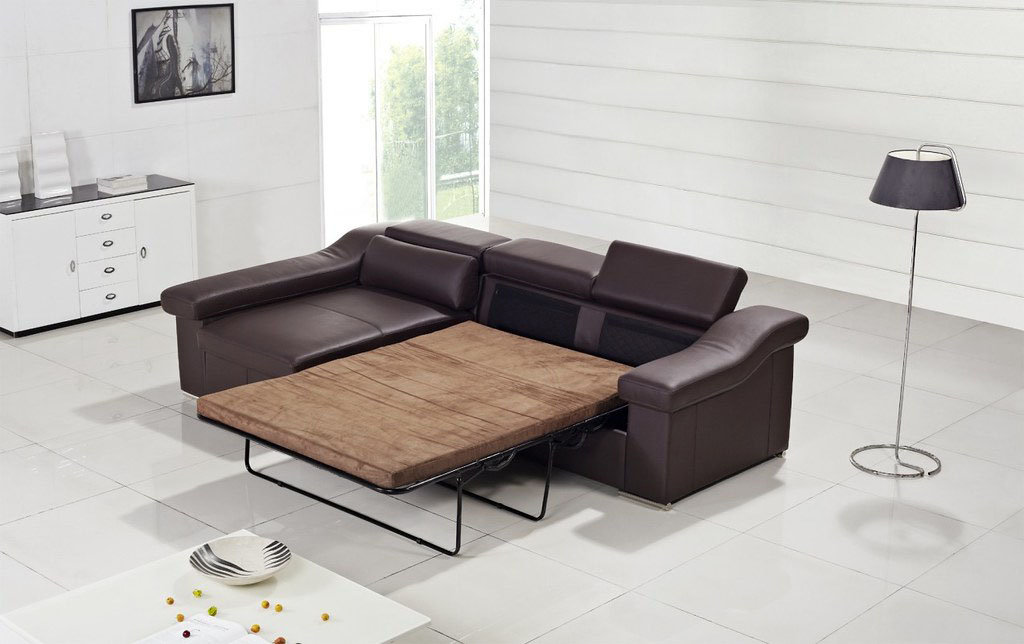
Credit: Modern Miami Furniture under CC BY 2.0 – no changes were made to the image
Today, plenty of properties try to carve out as many rooms as possible, which is why you’re seeing more irregularly shaped apartments in crowded urban areas like New York City. In these and similar cases, you’ll need living room furniture that eliminates awkward spaces. One of the best ways to do so is through seating, and that’s where sectionals can really come in handy. An L shaped couch like the Amari Sun or Mackenzie Pearl will have the angles needed to squeeze into tight spots while maximizing seating for yourself and your guests. Since it can fit into corners, it also won’t chop the room in half and make the room look smaller. It’s versatile, too. You can get these couches with cupholders, recliners, and additional storage under the seats—so you can hit two birds with one stone by getting one that follows the previous tip, as well.
Opt for unobtrusive furniture
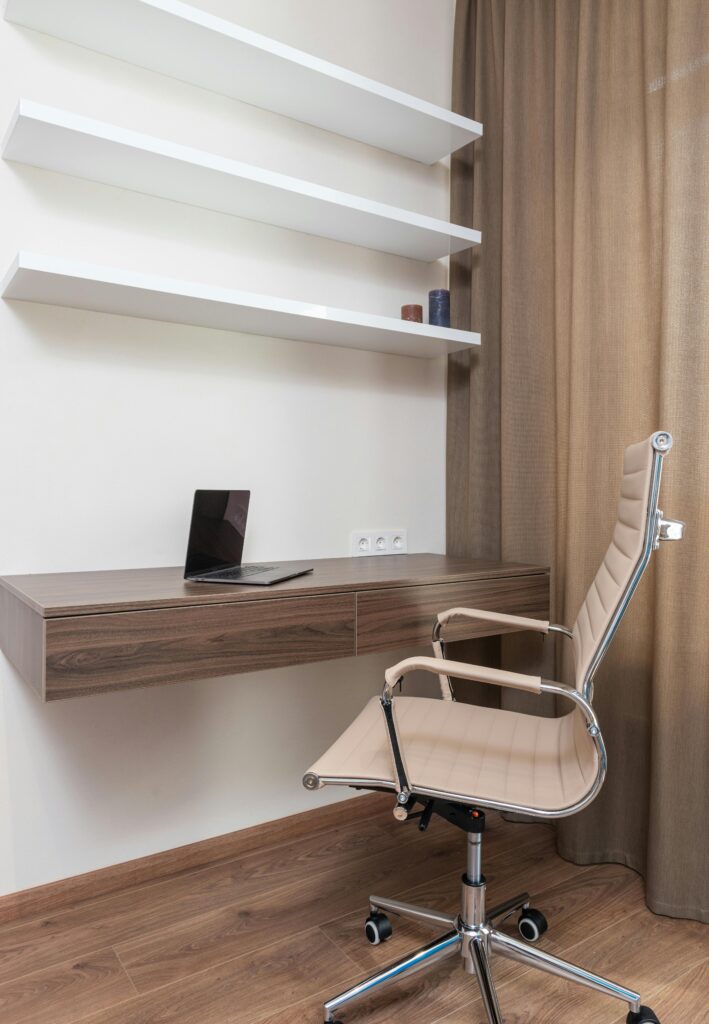
Every room needs a table and chairs, whether they’ll be used to entertain guests or for working from home. If you’re looking to create a roomy living space, though, you’ll want to choose low-profile ones that don’t disrupt the eye. Take floating desks like the Winston Porter Camus and the Wade Logan Oglethorpe. These are basically shelves at chest level and don’t have legs that serve as visual clutter. The same goes for stools without backrests. Such pieces can enhance that feeling of spaciousness if you’re going for an open layout to make your living room appear larger. The best part? They have less moving parts and usually don’t reach the floor. That means they’ll also be easy to maintain, perfect for smaller spaces that constrict your movements and make cleaning more challenging.
Use strategic accents

The accent pieces you use to decorate your living room can go a long way to making it feel bigger. Mirrors can help significantly: they bounce light around and reflect parts of the room to create the illusion of more space. You can add pieces made of similarly reflective materials, like glass or acrylic coffee tables, to boost that effect. And though it may be surprising, curtains can help, too. Draping them from rods slightly longer than your window frames and placed just under the ceiling can make your living room look taller—and even make your windows look larger.