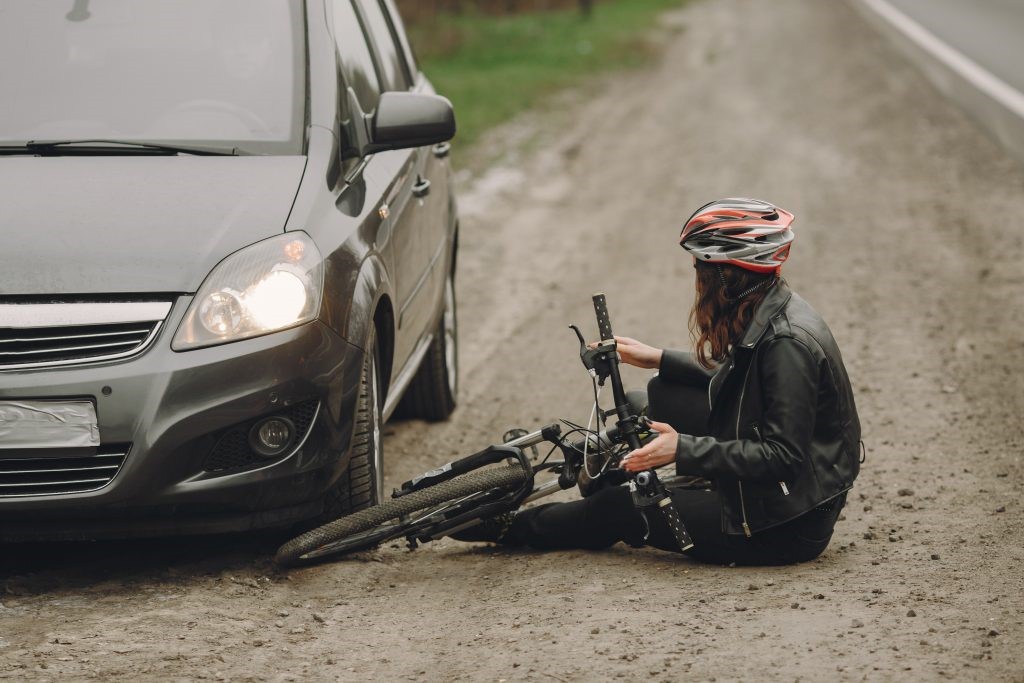
Cyclists are not immune to accidents anywhere in the world, especially not in Austin, where traffic congestion is thicker than peanut butter on toast.
Back in 2018, Austin, Texas, was acknowledged as one of the best bike cities in America. Up to 13% of the city’s population commutes to work on a bicycle.
These cyclists are vulnerable to accidents due to the dense traffic. Austin bicycle accident lawyers usually have a lot on their hands due to the number of collisions that happen each year.
Austin Bicycle Crash Statistics
In 2021, the Texas Department of Transportation reported 733 bicycle crashes in the city. Out of these incidents, only 201 resulted in injuries and three in fatalities. This means that, on average, 2 bike crashes occur every day.
2022 saw a decrease in fatalities, with only 1 cyclist killed compared to 3 in 2021. 2023 saw 2021’s figure doubled. KXAN reported five cyclist deaths in Austin throughout 2023.
Looking at the data, it’s evident that males (especially those under the age of 25) and older adults (over 65) are the most vulnerable.
Weekends and evenings also see a spike in crashes due to increased traffic. Intersections and major roads remain hotspots for accidents, especially in areas with no dedicated bike lanes and protected crossings.
Danger Concerns on Austin Roads
Here are some of the dangers Austin cyclists face during their time on the road:
Limited bike lanes
One major concern for cyclists navigating Austin roads is the scarcity of dedicated bike lanes. In many areas, cyclists are forced to share the road with motor vehicles. This, of course, increases the risk of accidents and also discourages potential cyclists.
Uneven road surfaces
Another issue plaguing Austin roads for cyclists is the presence of uneven road surfaces. Potholes, cracks, and debris pose significant risks to cyclists, especially older riders who may have difficulty navigating such obstacles.
Aggressive drivers
Cyclists frequently encounter aggressive drivers on Austin roads, leading to instances of harassment, intimidation, and even accidents. Young cyclists usually have a hard time dealing with aggression, and older cyclists are deterred from riding altogether.
High traffic volumes
Austin’s growing population has led to increasingly congested roads. This has made cycling alongside motor vehicles even more dangerous. High traffic volumes can be overwhelming for cyclists, especially inexperienced riders who may feel less confident navigating busy streets.
Poor street lighting
Some areas of Austin do not have adequate street lights to guide cyclists during night rides. The limited visibility of road users increases the risk of collisions and falls.
Improving Road Safety for Cyclists in Austin
Here are a few approaches that can help make Austin roads safer for cyclists:
Evaluating intersection design
Taking a closer look at how intersections are set up can really make a difference for cyclists’ safety on Austin’s roads. By checking things like clear markings, designated turn lanes, and easy-to-understand signs, we can make sure cyclists can get through intersections without worrying about getting tangled up with cars.
Increasing dedicated bike lanes
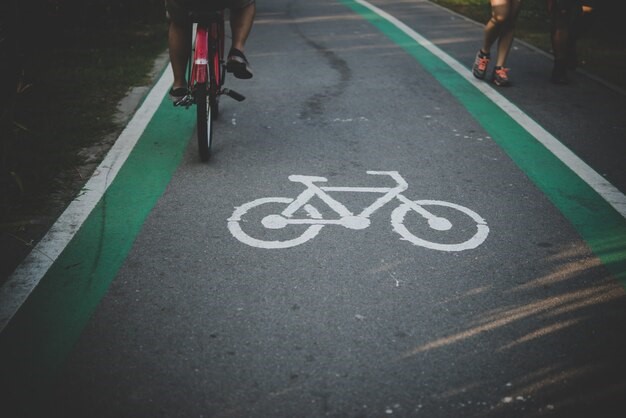
More dedicated bike lanes have to be set up on Austin streets. Building more dedicated bike lanes gives cyclists their own safe spot away from cars, which not only cuts down on accidents but also encourages more people to hop on their bikes, no matter their age.
Investing in regular road maintenance
Keeping our roads in good shape is key to keeping cyclists safe. Fixing potholes, smoothing out rough spots, and just generally keeping things tidy can make a big difference. It’s especially important for older riders, who might have a tougher time handling bumps and cracks.
Implementing traffic calming measures
Sometimes, we need to slow things down a bit to keep everyone safe on the road. Traffic calming measures like speed bumps and roundabouts can help cars ease off the gas pedal, making the road safer for cyclists.
Wrapping Up
Cyclists face numerous challenges every time they hit the road. However, amidst these dangers, there is hope for improvement. Making Austin roads safer for cyclists is a collective effort that requires the collaboration of policymakers, city planners, law enforcement, and the community at large.