Imagine pushing your body to its limits and then finding a way to recover faster and more efficiently. That’s where ice baths come into play, especially for athletes. These chilly soaks aren’t just a trend; they’re a scientifically-backed method to enhance performance and speed up recovery. Let’s dive into the chilly yet beneficial world of ice baths and explore why many athletes include them in their routines.
The Science Behind Ice Baths Ice baths work on the principle of cryotherapy, which involves exposing the body to extremely cold temperatures to stimulate healing and recovery processes. When you submerge in an icy bath, your body undergoes several physiological changes: blood vessels constrict, reducing inflammation and helping to flush out toxins and lactic acid from your muscles. This constriction followed by the subsequent re-warming (once you’re out of the bath) accelerates the body’s natural healing processes.
Benefits of Ice Baths for Athletes
- Speeds Up Recovery: The primary benefit of ice baths is their ability to hasten recovery. The cold exposure helps to decrease the metabolic rate of cells, reducing their demand for oxygen and nutrients, which in turn reduces the rate of cell death and tissue breakdown post-exercise.
- Reduces Muscle Soreness: Delayed onset muscle soreness (DOMS) can be a major setback for athletes. Ice baths have been shown to significantly reduce DOMS, allowing athletes to return to training sooner and with less discomfort.
- Boosts Immune System: Regular exposure to cold has been linked with an enhanced immune response. This can be particularly beneficial for athletes, who often put their bodies under immense stress.
- Enhances Mental Toughness: Enduring the discomfort of an ice bath requires and builds mental resilience. This mental toughness is crucial for athletes facing the rigors of training and competition.
- Improves Circulation: The process of vasoconstriction and vasodilation improves blood flow, helping to more efficiently deliver nutrients to cells and remove waste products.
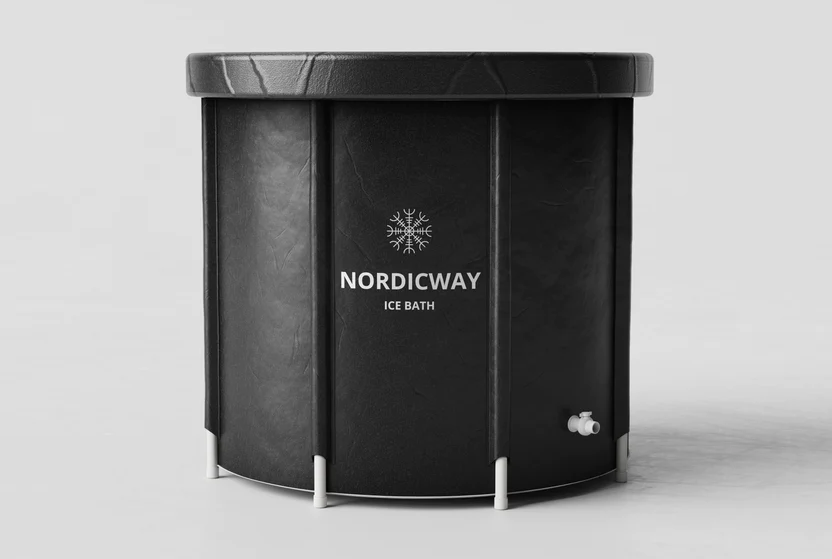 How to Use an Ice Bath Bucket Effectively
1. Gather Your Supplies:
A large bucket or tub that can accommodate your body, primarily the legs.
Enough ice to fill the bucket to the required level.
A thermometer to measure water temperature.
A towel and warm clothing for after the bath.
2. Fill the Bucket:
Begin by filling the bucket with cold water. The water should be deep enough to cover the body parts you wish to immerse, usually up to the hips or waist for full lower body immersion.
3. Add Ice:
Gradually add ice to the water while stirring to evenly distribute the cold. The ideal water temperature for an ice bath is typically between 10-15 degrees Celsius (50-59 degrees Fahrenheit). Use the thermometer to check.
4. Prep Yourself:
Before entering the ice bath, ensure you’re hydrated and have not consumed alcohol. It’s also a good idea to do some light stretching or a warm-down exercise to help your body begin the recovery process.
5. Enter the Ice Bath:
Slowly immerse yourself into the ice bath. It can be a shock to the system, so take your time and breathe deeply. Start by sitting and then gradually lower the rest of your body.
6. Duration of the Bath:
Stay in the ice bath for about 10-15 minutes. It’s important not to overdo it as longer durations can be counterproductive and may increase the risk of hypothermia.
7. Monitor Your Body:
Pay attention to how your body feels during the bath. If you experience extreme discomfort or pain, it’s time to get out.
8. Exiting the Bath:
Exit the bath slowly and carefully as your legs and feet might be numb. It’s normal to feel a tingling sensation as your body warms up.
9. Warm Up Gradually:
Dry off with a towel and put on warm clothing immediately. Avoid hot showers or heat sources for warming up; let your body return to its normal temperature naturally.
10. Post-Bath Care:
After warming up, you can do some light stretching or gentle movement to aid circulation. Also, continue to hydrate and consider a balanced meal to aid recovery.
11. Regular Use:
Consistency is key. Incorporate ice baths into your regular recovery routine, especially after intense training sessions or competitions.
12. Listen to Your Body:
Not everyone responds the same way to ice baths. Adjust the frequency, duration, and temperature according to your personal tolerance and recovery needs.
Comparing Ice Baths with Other Recovery Methods
Ice baths offer unique benefits compared to other recovery methods like hot baths, compression therapy, and massage therapy. While hot baths relax muscles and improve circulation, they can sometimes exacerbate inflammation. Compression therapy and massage are excellent for promoting blood flow and reducing muscle tightness but don’t offer the same level of inflammation control as ice baths.
| Recovery Method | Benefits | Considerations |
| Ice Baths | Reduces inflammation, speeds recovery | Manage time and temperature |
| Hot Baths | Relaxes muscles, improves circulation | Can increase inflammation post-exercise |
| Compression Therapy | Reduces swelling, enhances circulation | Proper fit is crucial |
| Massage Therapy | Reduces tension, promotes relaxation | Requires a trained therapist |
Athletes’ Testimonials
Many athletes, from swimmers to marathon runners, have attested to the benefits of ice baths. They report quicker recovery times, less muscle soreness, and an overall feeling of rejuvenation. These testimonials are backed by various studies and research into the efficacy of ice baths in sports science.
Tips for First-Timers
If you’re new to ice baths, start with shorter durations and slightly warmer water. Gradually decrease the temperature and increase the duration as you become more accustomed to the cold. Listening to your body is crucial; never push yourself to the point of extreme discomfort or pain.
Potential Risks and How to Mitigate Them
While ice baths are generally safe, there are potential risks like hypothermia or frostbite if overused or used improperly. To mitigate these risks, limit your exposure, never bathe alone, and avoid alcohol before taking an ice bath. If you have cardiovascular issues or other health concerns, consult with a healthcare professional first.
Customizing Your Ice Bath Experience
To enhance your ice bath, consider adding Epsom salts for muscle relaxation, essential oils for aromatherapy benefits, or practice breathing techniques to help withstand the cold. These additions can make the experience more enjoyable and potentially boost the recovery benefits.
The Role of Diet and Hydration
Diet and hydration play a crucial role in maximizing the benefits of ice baths. Focus on anti-inflammatory foods and ensure you’re well-hydrated before and after the bath. Proper nutrition can significantly aid in recovery and complement the effects of the ice bath.
Incorporating Ice Baths into Your Training Regimen
Timing is crucial when incorporating ice baths into your training. The best times are typically post-workout or after intense competition. Balancing ice baths with your training schedule and other recovery methods is key to achieving optimal results.
Expert Opinions
Many coaches and sports scientists advocate for the use of ice baths in training programs. They recommend them for their ability to reduce inflammation, speed up recovery, and improve overall athletic performance. Listening to expert advice and incorporating it into your training regimen can be highly beneficial.
Latest Research and Developments
The field of sports recovery is constantly evolving, with new studies frequently published on the effectiveness of ice baths. Staying informed about the latest research can help you make the most out of this recovery method and adapt as new findings emerge.