In the heart of every community, there exist individuals whose work often goes unnoticed yet remains critical for the well-being of the population.
These are the public health workers, the unsung heroes who tirelessly strive to ensure the health and safety of communities, especially in places like Georgia.
Their role is multifaceted, encompassing a range of responsibilities that touch every aspect of our lives.
From conducting health education programs to implementing disease prevention strategies, public health workers are the backbone of community wellness.
Without further ado, let’s get into the details.
Community Engagement and Health Education
A key responsibility of public health workers is to engage with the community. This involves not just understanding the health needs of the population but also developing and implementing strategies to meet these needs.
Health education is a significant part of this engagement. By conducting workshops, seminars, and outreach programs, public health workers educate community members about various health issues, prevention strategies, and healthy lifestyle choices.
In Georgia, where diverse communities exist with varying health needs, such tailored health education programs are crucial. These programs often address local health concerns, such as nutrition, exercise, chronic disease management, and mental health.
By providing this vital information, public health workers empower individuals and communities to take charge of their health.
Moreover, community engagement extends beyond education. Public health workers often collaborate with local organizations, schools, and government agencies to develop and implement health initiatives. This collaboration is critical in creating a supportive environment that fosters health and well-being for all community members.
Education and Professional Growth in Public Health
The journey to becoming a public health worker often begins with education. Higher education plays a pivotal role in equipping aspiring public health professionals with the necessary skills and knowledge.
In Georgia, for instance, pursuing a master’s degree in public health is a significant step for those looking to advance their careers in this field. The curriculum covers various aspects of public health, from epidemiology and biostatistics to health policy and management.
This exposure is crucial in understanding the complexities and challenges of public health work in communities. If you’re keen to get started, we suggest looking up Masters of Public Health Georgia on any popular search engine.
Disease Prevention and Health Promotion
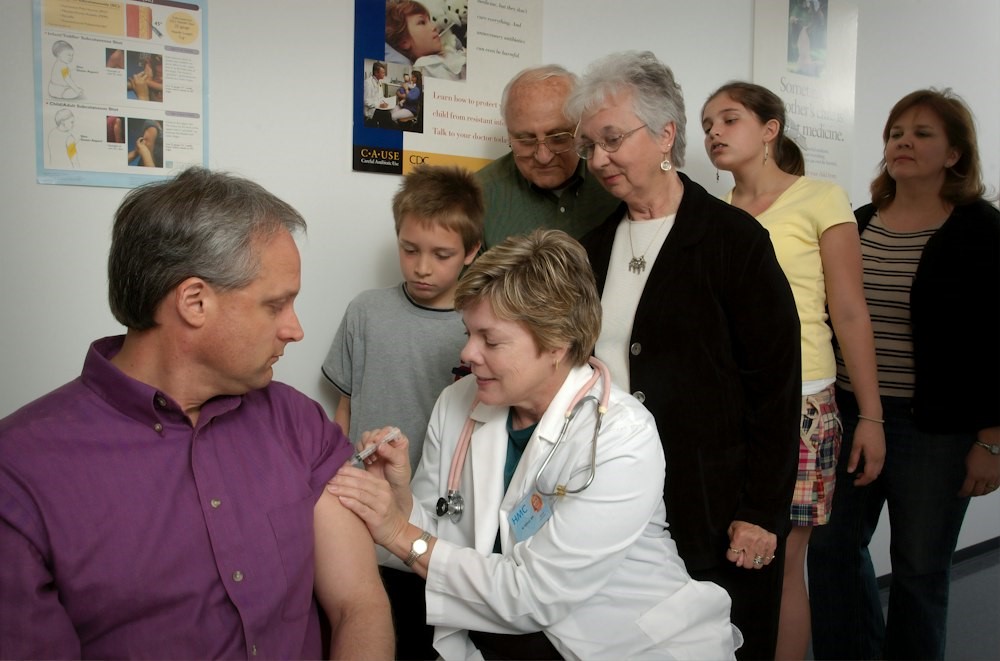
Preventing disease and promoting health are at the core of public health work. In Georgia, public health workers play a significant role in implementing vaccination programs, conducting health screenings, and monitoring disease outbreaks. Their work in disease prevention extends to developing policies and guidelines that protect the community from health risks.
Health promotion is another crucial aspect. This involves encouraging healthy behaviors and lifestyles to prevent chronic diseases like diabetes, heart disease, and obesity, which are prevalent in many Georgia communities.
Public health workers design programs that promote physical activity, healthy eating, and mental well-being. They also work on addressing social determinants of health, such as access to healthcare, education, and safe environments, which significantly impact community health.
Bridging Healthcare Gaps in Diverse Communities
In a state as varied as Georgia, public health workers face the unique challenge of bridging healthcare gaps in diverse communities. These gaps can arise from a multitude of factors, including socioeconomic status, geographic location, cultural differences, and language barriers.
Public health professionals are tasked with the critical job of identifying these disparities and developing strategies to address them.
Their approach often involves a deep dive into community dynamics. This means understanding the specific needs and challenges of different groups, whether they are in rural towns, urban centers, or suburban neighborhoods.
For example, in areas with a high population of non-English speakers, public health initiatives might include translation services and culturally sensitive health education materials. In economically disadvantaged areas, efforts might focus on providing access to affordable healthcare services and nutritious food options.
Innovation and Technology in Public Health
The field of public health is continually evolving, and in Georgia, public health workers are at the forefront of integrating innovation and technology into their practices. The adoption of new technologies has the potential to revolutionize how public health services are delivered, making them more efficient, accessible, and effective.
One of the key areas where technology plays a significant role is in data collection and analysis. Public health workers use various tools to gather and analyze health data, which helps identify trends, track disease outbreaks, and evaluate the effectiveness of health programs.
This data-driven approach enables them to make informed decisions and tailor their strategies to meet the specific needs of the community.
Addressing Public Health Challenges
Public health workers face unique challenges. The state’s diverse population, ranging from urban areas to rural communities, presents varied public health needs. Addressing these needs requires a deep understanding of the local context and the ability to develop tailored solutions.
For instance, in rural areas, access to healthcare can be a significant challenge. Public health workers strive to improve access by setting up mobile clinics, telehealth services, and community health centers. In urban areas, issues like air pollution and lifestyle-related diseases might be more prominent, requiring different strategies.
Conclusion
The impact of public health workers is immeasurable. They are not just healthcare professionals; they are educators, advocates, and community leaders. Their work ensures that communities not only survive but thrive, with access to the necessary resources to maintain good health.
As we move forward, the role of public health workers will continue to evolve, adapting to new challenges and opportunities. Their dedication and commitment to the health of our communities remain a beacon of hope, guiding us toward a healthier, more resilient future.