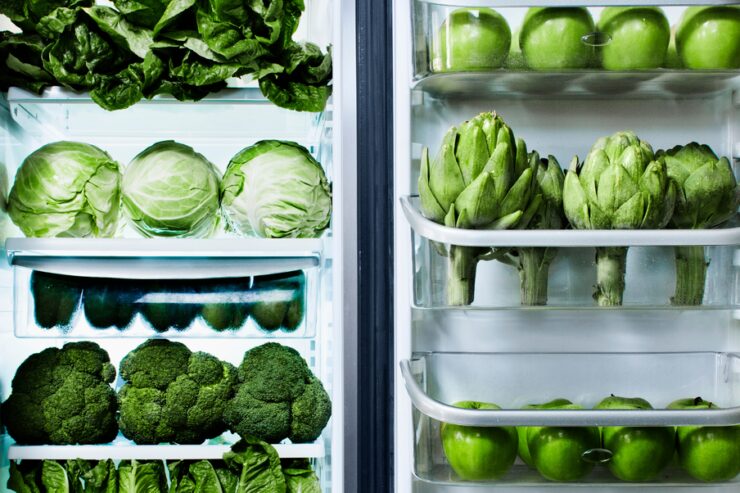
Know how to store your groceries to maximize their shelf life, enhance taste, and reduce waste. A must-read for kitchen enthusiasts and eco-conscious individuals!
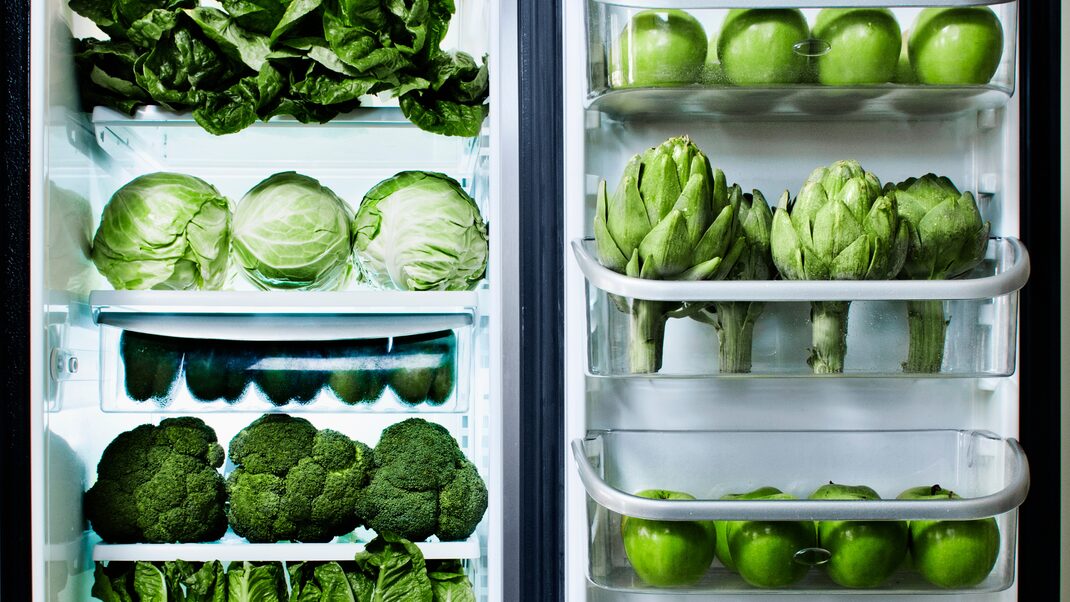 Are you tired of constantly throwing away food and beverages because they have gone bad? Do you want to save money and reduce your environmental impact? Then it’s time to become storage savvy! By understanding how temperature, air, moisture, and light affect different types of food and drinks, you can prolong their shelf life and ensure that they stay fresh and safe to consume.
The Science Behind Food and Beverage Storage
Food and beverages are perishable items, meaning that they can spoil or become unsafe to consume over time. This happens due to various factors such as bacteria growth, oxidation, and moisture loss. By learning how these elements work together, you can make smarter storage decisions and prevent food waste.
Temperature
Temperature plays a crucial role in preserving the freshness of food and beverages. Most perishable items, like dairy products, meat, and produce, require refrigeration to slow down bacterial growth. However, it’s important to note that not all foods need to be stored in the fridge. Some fruits and vegetables are best kept at room temperature to ripen fully before consuming.
On the other hand, frozen storage can extend the shelf life of food even further. Frozen foods should be kept at 0°F or below to prevent bacterial growth and maintain quality.
Air
Air exposure can also affect the lifespan of your food and drinks. Oxygen can promote oxidation, which is a chemical reaction that causes changes in color, flavor, and texture. To prevent this, make sure to store items like coffee beans, nuts, and oils in airtight containers. Additionally, squeezing out as much air as possible before sealing bags or containers can also help prolong the freshness of food.
Moisture
Moisture levels are essential to consider when storing food and drinks. Some items, like bread and crackers, need moisture to stay fresh. However, too much moisture can lead to mold growth. It’s important to store these items in sealed containers or bags to prevent moisture from getting in. On the other hand, foods like meat and produce need to be kept dry to prevent bacterial growth. Make sure to pat them dry before storing them.
Light
Exposure to light can also affect the quality and safety of your food and drinks. For example, UV rays can cause milk to spoil faster, and light can also speed up the degradation of vitamins in certain foods. To prevent this, make sure to store items like milk and olive oil in opaque containers or in dark areas.
Storage Tips
Now that you understand the science behind food and beverage storage let’s dive into some practical tips to help prolong their lifespan:
1. Use Airtight Containers
Invest in high-quality airtight containers to store dry goods such as grains, cereals, and coffee beans. Even better, opt for glass containers with lids to avoid any plastic chemicals leaching into your food. This also allows you to see the contents easily and keep track of expiration dates.
2. Separate Fruits and Vegetables
Fruits and vegetables emit ethylene gas, which can cause other produce to spoil faster. To prevent this from happening, store them separately or in different drawers in your fridge.
3. Wrap Leafy Greens with Paper Towels
To keep your leafy greens fresh, wrap them in a paper towel before placing them in a plastic bag or container. The paper towel will absorb excess moisture and prevent wilting.
4. Label and Date Foods
To avoid confusion and know when to consume certain items, label and date your food containers or bags. This is especially helpful for leftovers and frozen foods.
5. Store Foods Properly in the Fridge
To maximize the freshness of your food, make sure to store them properly in the fridge. Keep raw meats on the bottom shelf to prevent any juices from dripping onto other items. Dairy products and eggs should be stored in their original packaging, while produce can be kept in crisper drawers.
6. Don’t Overcrowd the Fridge or Freezer
To allow for proper air circulation and cooling, make sure not to overcrowd your fridge or freezer. This will also prevent items from being pushed to the back and forgotten about.
Conclusion
By becoming storage savvy, you can prolong the lifespan of your food and drinks and reduce food waste. Remember to consider temperature, air exposure, moisture levels, and light when storing different items. Additionally, follow these practical tips to ensure that your food stays fresh and safe to consume. With a little extra effort and knowledge, you can save money and make a positive impact on the environment.