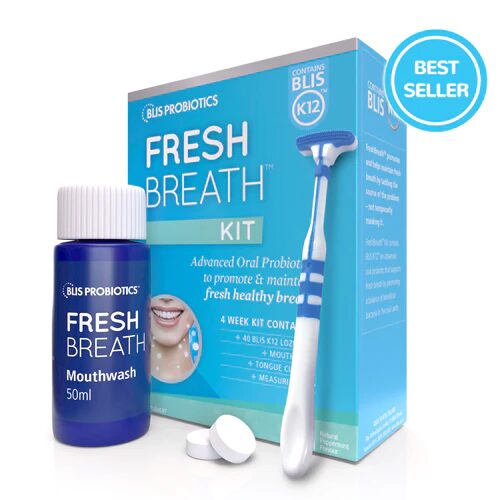
 The delicate balance of bacteria within the mouth is a critical factor in maintaining oral health. Maintaining this equilibrium is not just about brushing and flossing; it also involves harnessing the power of mouth probiotics. In this article, delve into the science behind oral probiotics, exploring their potential to enhance oral health and offering insights into their usage.
Understanding the Oral Microbiome
The oral microbiome stands as a complex and vibrant ecosystem, hosting a diverse array of bacterial life forms. Within this intricate tapestry, some bacteria emerge as allies in maintaining oral health, while others assume the role of adversaries, instigating issues like cavities, gum disease, and persistent bad breath. Achieving equilibrium between these contrasting bacterial factions becomes a paramount objective in the pursuit of sound oral health. This intricate interplay among microorganisms underscores the importance of nurturing a harmonious microbiome within the mouth, where a delicate balance is the linchpin for oral well-being.
Probiotics: Nature’s Balancing Act
Live microorganisms offer substantial health benefits when administered in appropriate quantities. In the context of oral health, they contribute significantly to preserving the delicate bacterial equilibrium within the mouth. These beneficial microorganisms perform a remarkable feat by actively inhibiting the proliferation of detrimental bacteria, thereby fostering a harmonious and healthful oral environment.
Mouth probiotics play a crucial role in mitigating the overgrowth of harmful bacteria, curbing their ability to cause oral health issues such as cavities, gum disease, and bad breath. This natural balancing act makes probiotics an indispensable element in the pursuit of a thriving and resilient oral microbiome, ultimately promoting better overall oral well-being.
The Mechanism of Action
Probiotics work in several ways to bolster oral health:
- Competition: Probiotics compete with harmful bacteria for resources and space in the oral cavity, limiting the proliferation of the latter.
- Acid Reduction: Some probiotics produce substances that reduce the acidity in the mouth, making it less favorable for acid-loving bacteria that cause tooth decay.
- Immune Support: Certain probiotics can enhance the local immune response in the mouth, aiding in the defense against oral infections.
Choosing the Right Probiotics
Not all probiotics are created equal, and the same holds true for those intended for oral health. When selecting an oral probiotic, consider the following factors:
- Strain Specificity: Look for probiotics that have been scientifically proven to benefit oral health. Lactobacillus and Bifidobacterium strains are commonly associated with positive outcomes in the mouth.
- Delivery Format: Oral probiotics are available in various forms, including lozenges, gums, and toothpaste. Choose a format that suits the preferences and lifestyle.
- CFU Count: The Colony Forming Units count indicates the number of viable bacteria in a product. Higher CFU counts generally offer more substantial benefits.
Benefits of Oral Probiotics
The incorporation of oral probiotics into your daily routine can yield a range of advantages, including:
- Reduced Bad Breath: Probiotics can help combat the bacteria responsible for bad breath, leaving you with a fresher mouth.
- Improved Gum Health: By curbing the growth of harmful bacteria, probiotics can contribute to healthier gums and reduce the risk of gum disease.
- Enhanced Cavity Protection: Probiotics work to maintain a balanced oral microbiome, reducing the likelihood of cavities.
- Support for Orthodontic Patients: Those with braces or orthodontic appliances often struggle with oral hygiene. Oral probiotics can provide additional protection against common issues in this demographic.
- General Oral Well-being: Incorporating probiotics into your oral care routine can contribute to an overall sense of well-being, leaving your mouth feeling cleaner and more balanced.
Usage Guidelines
To maximize the benefits of oral probiotics, follow these usage guidelines:
- Consistency: Use oral probiotics regularly as part of your oral hygiene routine.
- Timing: Consider using probiotics after brushing and flossing to allow them to interact with your oral microbiome effectively.
- Avoid Rinsing: After using oral probiotics, avoid rinsing your mouth immediately to allow the probiotics to work their magic.
Consulting a Professional
While oral probiotics can be a valuable addition to your oral care regimen, it’s essential to consult with a dental professional before making significant changes to your routine. They can provide guidance on the most suitable probiotic products and usage patterns tailored to your specific needs.
Conclusion
In the quest for optimal oral health, maintaining a balanced oral microbiome is crucial. Oral probiotics offer a natural and effective way to promote this balance, reducing the risk of dental issues and enhancing overall oral well-being. By understanding the science behind probiotics, choosing the right products, and following recommended usage guidelines, you can unlock the potential of these beneficial microorganisms and embrace a healthier, happier smile.