Have you ever wondered what lies behind those mind-blowing improvements in athletic performance that athletes achieve over time? It’s not just hard work, dedication, or natural talent. Science plays a pivotal role in helping athletes reach their peak potential. So, here’s how sports science enables athletes to achieve better results.
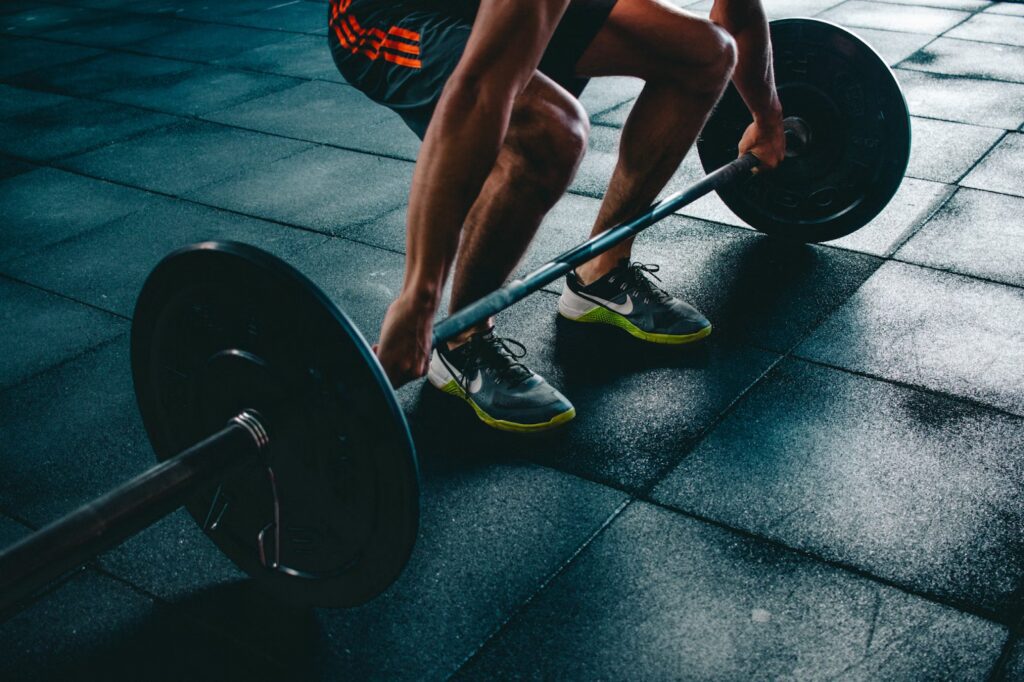
Supplements and Peptides for Performance
While proper nutrition remains fundamental, these supplements and peptides can provide a targeted approach to enhancing various aspects of performance. Creatine, for example, is a widely used supplement that boosts energy production in high-intensity activities like weightlifting and sprinting. Looking into how BPC 157 affects muscle growth is also important if this is your long-term goal. Branched-chain amino acids (BCAAs) aid in muscle recovery and growth, while caffeine supplements can improve focus and endurance.
Additionally, peptides like Growth Hormone Releasing Peptides (GHRPs) can stimulate muscle growth and repair. It’s essential to remember that not all supplements and peptides are created equal, and their usage should be guided by scientific research and expert advice to ensure they are safe and effective. Always consult with a healthcare or sports nutrition professional before incorporating any of these substances into your training regimen.
Biomechanics – Perfecting Your Moves
Ever wondered how athletes manage to perfect their techniques and movements? That’s where biomechanics comes into play. This field employs advanced technology like motion capture and force analysis to scrutinize the finer details of an athlete’s performance. With this data, experts can identify areas for improvement, fine-tuning movements, and enhancing efficiency.
Analysis of Movement Patterns
Biomechanics dissects an athlete’s movement patterns with precision, tracking every angle, joint motion, and force applied. This in-depth analysis reveals flaws or inefficiencies that may be hindering performance, whether it’s the arc of a basketball shot or the angle of a diver’s entry into the water.
Optimizing Technique
Armed with biomechanical data, athletes and their coaches can make informed decisions about which aspects of their technique require improvement. Adjustments to body positioning, timing, and form can be fine-tuned for maximum efficiency and effectiveness in sports like gymnastics, swimming, and weightlifting.
Preventing Injuries
Beyond performance enhancement, biomechanics also aids in injury prevention. By identifying biomechanical factors that contribute to injuries, athletes can work on reducing the risk of common sports-related injuries, such as ACL tears, stress fractures, or rotator cuff injuries.
Equipment Development
Biomechanics isn’t limited to athletes alone; it also influences the design of sports equipment. The data collected is used to develop equipment that complements an athlete’s biomechanics, enhancing performance and safety. Think of running shoes designed to correct gait or swimming suits that reduce drag, both products of biomechanical analysis.
Physiology – Understanding Your Body
Our bodies are incredibly complex, and understanding how they function during intense physical activity is crucial for athletes looking to excel. Physiology studies the intricate systems within the human body, focusing on how they respond to exercise, stress, and fatigue. With this knowledge, you can make informed decisions about training intensity, recovery, and injury prevention. Science helps you unlock your full potential by providing insights into heart rate, oxygen consumption, and muscle behavior, making sure you get the most out of your workouts.
Technology – Tools of the Trade
Wearable devices, like heart rate monitors and GPS trackers, help you monitor your progress and optimize your training regimen. Furthermore, virtual reality and augmented reality are changing the way athletes visualize and practice their sport. Video analysis software allows athletes to review their performance, pinpoint areas for improvement, and strategize for success. By harnessing these technological advancements, you can refine your skills and gain a competitive edge.
Wearable Devices
Athletes today can utilize a wide range of wearable tech, such as heart rate monitors, GPS trackers, and fitness smartwatches. These devices provide real-time data on heart rate, distance covered, speed, and more. By monitoring these metrics, athletes can make data-driven decisions during training and competitions, ensuring they stay within their optimal performance zones.
Virtual and Augmented Reality
Virtual reality (VR) and augmented reality (AR) are revolutionizing the way athletes visualize and practice their sport. VR allows athletes to immerse themselves in realistic training environments, enhancing mental preparation and decision-making skills. AR, on the other hand, overlays digital information in the real world, enabling athletes to receive real-time feedback and coaching cues during practice sessions.
Recovery – The Missing Piece of the Puzzle
While pushing your limits is crucial for improvement, proper recovery is equally important. Sports science has unraveled the secrets behind recovery techniques that help athletes bounce back faster and stronger. From cryotherapy and contrast baths to massage and sleep optimization, there’s a scientific method to the madness.
Understanding the science of recovery allows you to reduce the risk of injuries, prevent burnout, and ensure you’re always in top form. By incorporating these evidence-based recovery methods into your routine, you can consistently perform at your best.
Mental Conditioning – The Power of the Mind
Athletic success isn’t just about the body – it’s about the mind, too. Sports psychologists and mental conditioning experts use scientific principles to help athletes hone their mental strength. Visualization, mindfulness, and goal setting are just a few of the techniques that science has validated as effective ways to enhance focus and performance under pressure. By harnessing the power of your mind, you can overcome mental hurdles, stay resilient in the face of adversity, and keep your motivation burning bright.
Injury Prevention and Rehabilitation – Staying in the Game
Injuries can be a major setback for athletes, but science has come to the rescue once again. Sports medicine and physical therapy rely on scientific research to develop cutting-edge strategies for injury prevention and rehabilitation. Through biomechanical analysis and targeted exercises, you can address weaknesses and imbalances, reducing the risk of injury.
Should you encounter an injury, science-backed rehabilitation techniques will get you back on track efficiently and safely. The combination of injury prevention and effective rehabilitation is a win-win for athletes looking to achieve better results without interruption.

From nutrition and biomechanics to physiology, technology, recovery, mental conditioning, and injury prevention, science offers a comprehensive toolkit for athletes striving for excellence. By embracing these scientific principles and practices, you can fine-tune every aspect of your performance, minimize setbacks, and unlock your full potential. Remember, the fusion of science and sports isn’t just a partnership – it’s a winning combination that can take your athletic journey to remarkable heights.