Expert panel will discuss how to preserve and protect marsh wetlands to sustain biodiversity
WHAT: Archaeology Now presents “An Oasis of Biodiversity in the Marshes of Iraq and the Gulf Coast,” as part of the Senan Shaibani Marsh Arabs Project hosted by Rice University and in conjunction with the Arab American Educational Foundation and Iraqi community groups, with support from the Museum of Fine Arts, Houston. The talk, with a panel of distinguished experts, is free and open to the public and held at the Glassock School of Continuing Studies at Rice University.
Moderated by Jaime González, Community & Equitable Conservation Programs Director (Texas Chapter) of The Nature Conservancy in Texas, guest speakers include Dr. Azzam Alwash, head of Nature Iraq; Mashal Awais, Community Science Manager of Bayou City Waterkeeper and Suzanne Simpson, Land Acquisition Manager of Galveston Bay Foundation.
The fate of wetlands will be crucial in a changing world. Biodiversity is threatened in the Iraqi Marshes as well as the marshes of the Gulf Coast of America. In addition to biodiversity, wetlands are critical to flood management, human health, and recreation.
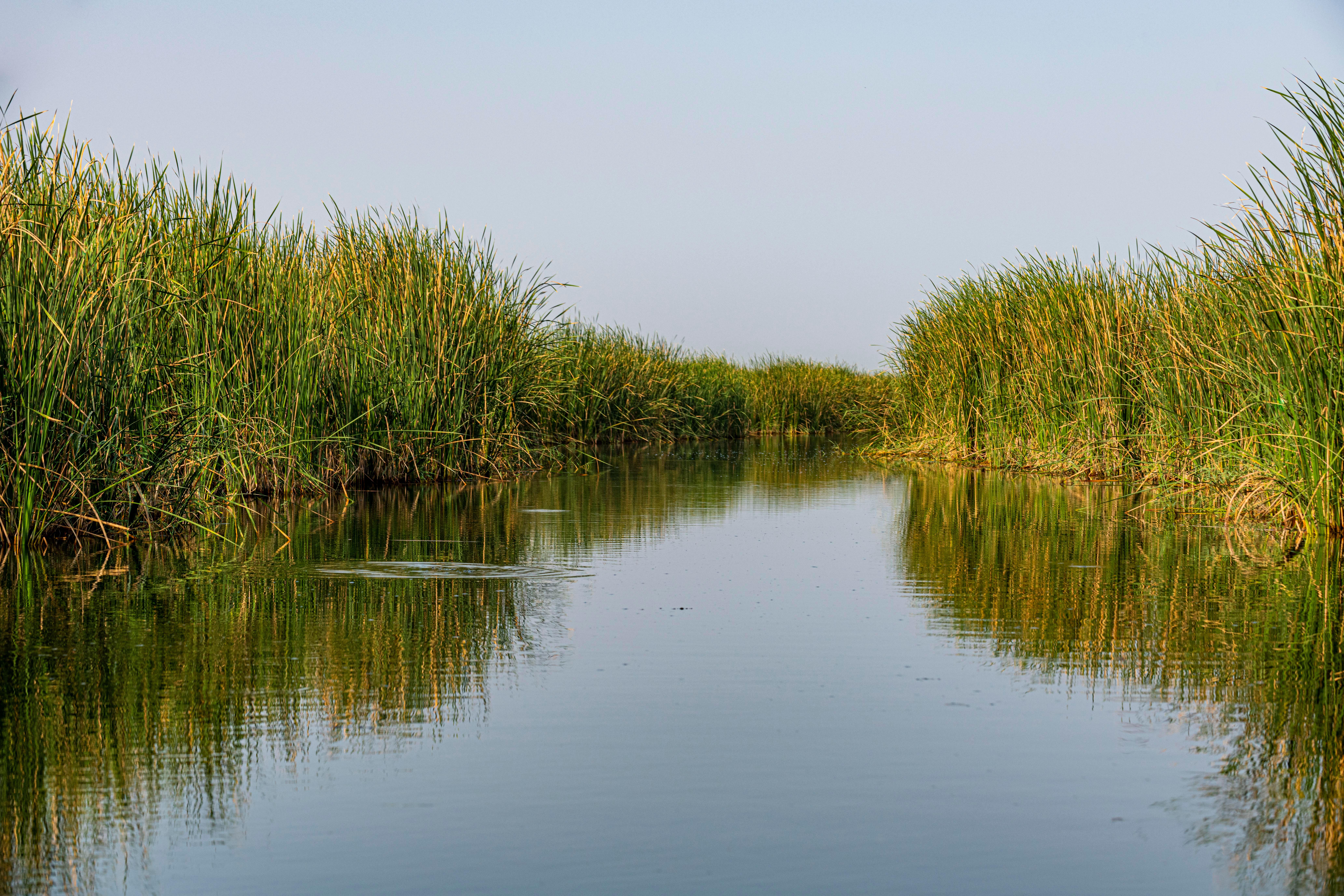
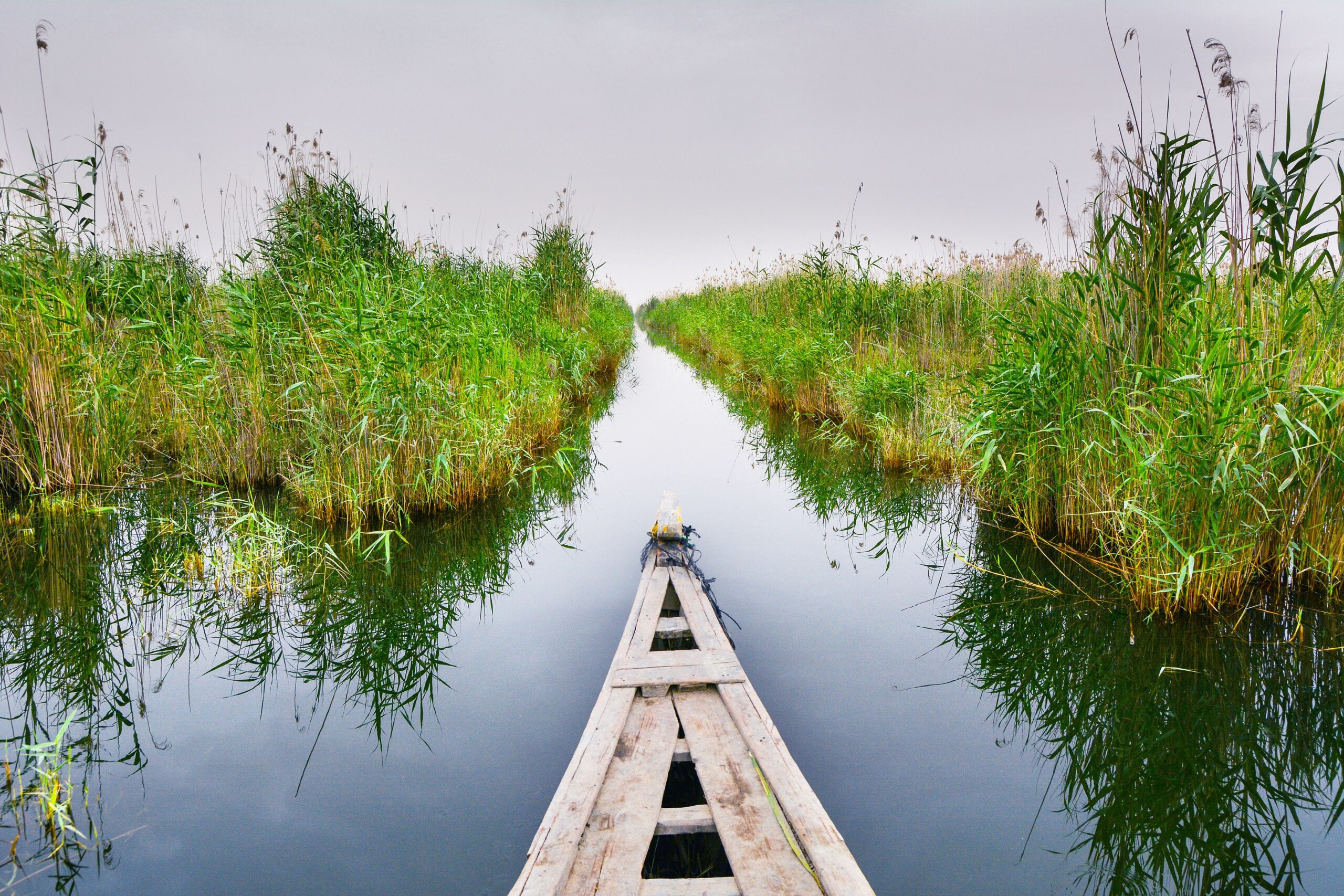
Archaeological excavations reveal that the marshes of Iraq were once the third largest wetland in the world. The marshes were home to nearly a half million Marsh Arabs in the 1950s and the destination site of crucial bird migrations from Russia and China. Damning of the
rivers, political upheaval and climate change have endangered the marshes and the ancient culture of the people living there.
The Texas Gulf Coast is also experiencing environmental degradation and destruction of a way of life with loss of biodiversity and habitat for migratory birds. Agriculture, industrial development, and urban and suburban sprawl have caused the greatest losses of our freshwater wetlands.
Where do we go from here? What are some answers to complex problems we are facing, as a culture and as communities? Discover some of the solutions being proposed to help both regions of the world at a talk and panel discussion by experts from Iraq and the Gulf Coast.
The public is invited to attend this educational and enlightening presentation.
WHEN: Tuesday, October 10 from 7 p.m. – 8:30 p.m.
WHERE: Glasscock School of Continuing Studies Auditorium, Rice University Entrance #8 at University Boulevard and Stockton Street
Link to map and parking directions here.
Paid parking is available at West Lot 4. Follow the red signs.
For information:
To learn more about the presentation, go to www.archaeologynow.org or click here.
-
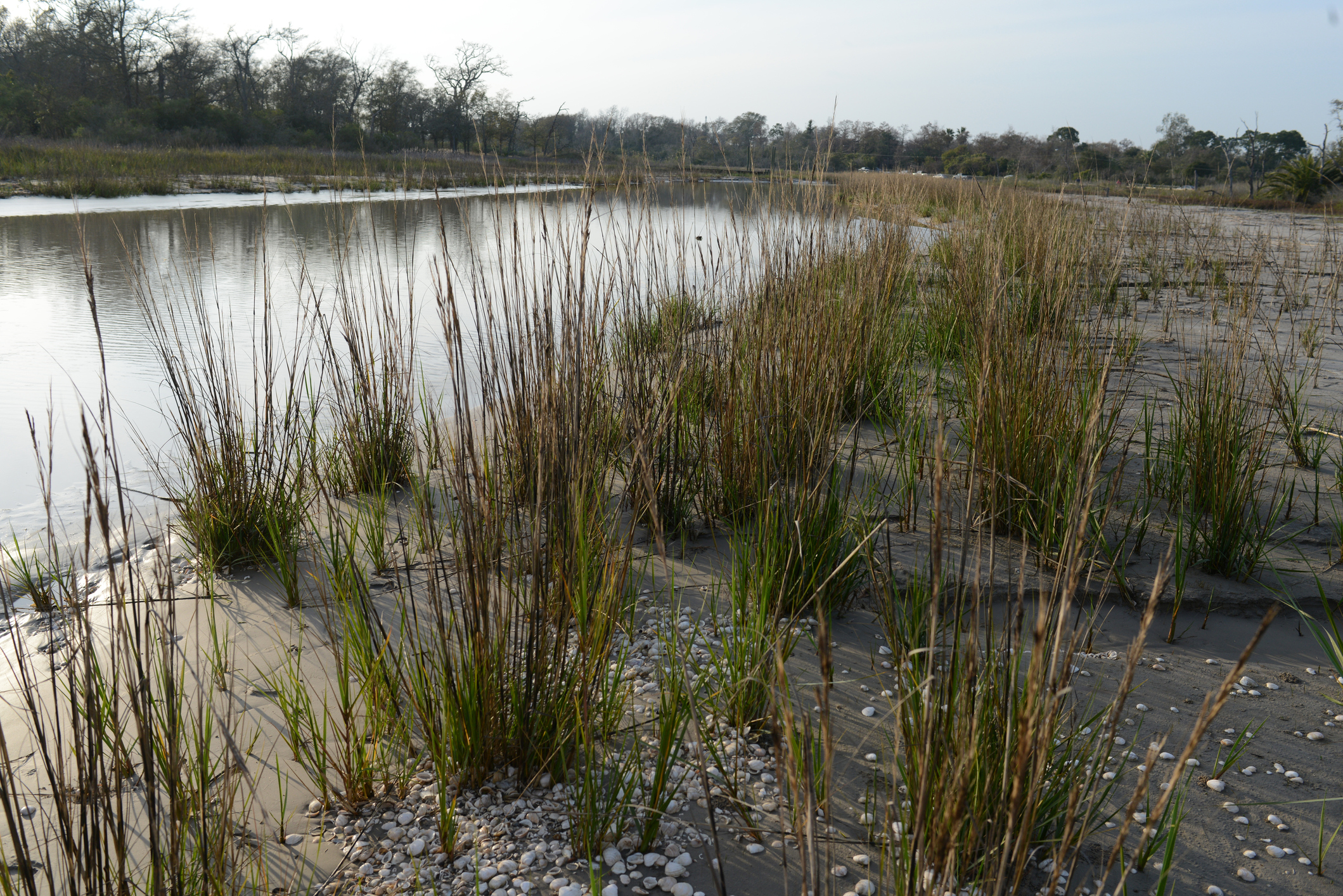
- In this vicinity are the remains of a prehistoric Indian refuse pile, comprised mainly of clam shells. Archeologists call such sites shell middens. They are the result of centuries of shellfish harvesting by early Indian groups. shells found at this site have been identified as belonging to the rangia cuneata (common rangia) clam, a species once found in abundant numbers in Galveston Bay. As the shell midden grew in size over the years, it became the foundation for a large Indian campsite. Stone tools and pottery uncovered here are evidence of the later occupation. Although the tribal origins of the Indians cannot be determined, it is known that both Orcoquisac and Karankawa once lived in the area in historic times. Shell middens similar to this one were once more common along the streams feeding into the bay. Storms, subsidence, and natural erosion, however, have destroyed many, as have mining operations that used the shells for road construction projects. As a result, this is one of the best remaining examples of a prehistoric midden and campsite in Harris County. Because of its significance, the site has been afforded special protection as a State Archeological Landmark.
-
- 2H7N65E The Mesopotamian Marshes, Ahwar of southern Iraq, Unesco site, Iraq
Courtesy Archaeology Now