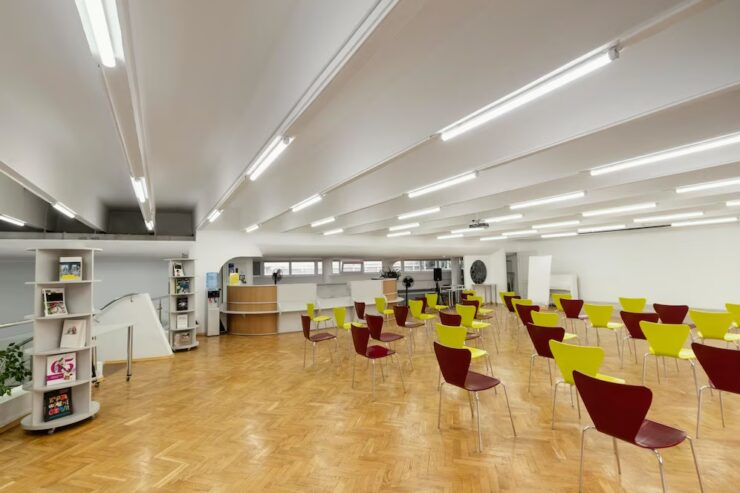
As the field of educational psychology has evolved, powerful information has been gleaned about the types of environments in which students learn best. What has come to light is that the cookie-cutter, chalkboard lined cells of years gone by do not enhance the educational experience.
As a result, modern educational buildings are being constructed with flexibility and adaptability in mind to suit the needs of a vast demographic of learners. This is especially relevant in Southeastern Texas–one of the most culturally diverse areas in the nation. For more on the future of Texas educational facilities, keep reading for an in-depth look at modern educational construction trends.
Open Interiors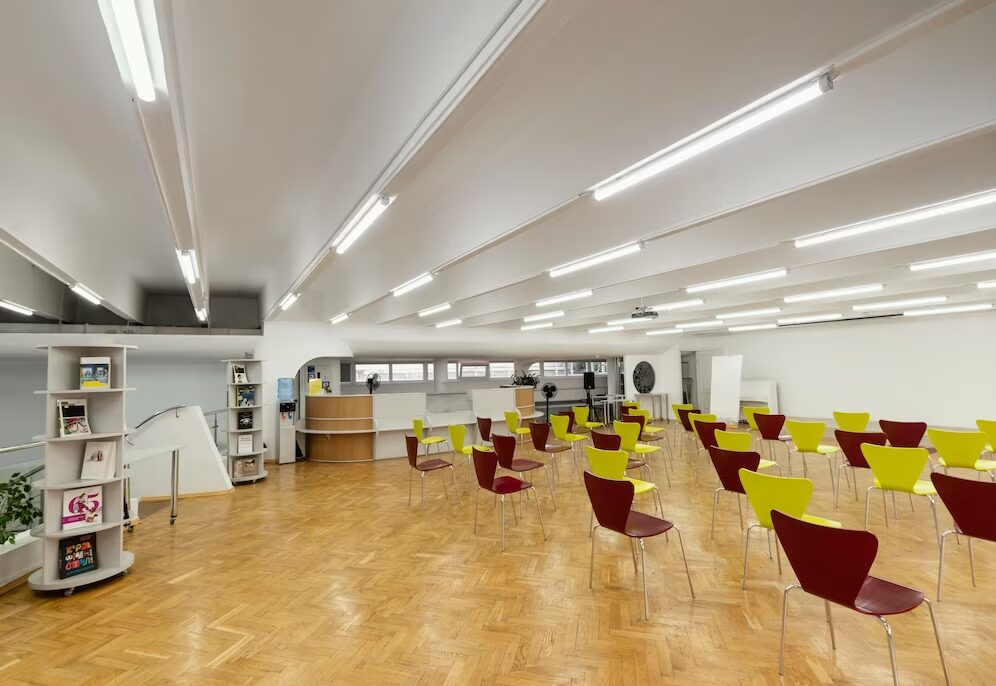
Open interiors are becoming increasingly popular in educational facilities worldwide, and Texas is no exception. These flexible spaces can be easily reconfigured to meet the changing needs of students and teachers and are often used to create collaborative learning environments. In addition, open interiors allow for more natural light and ventilation, which can enhance the mood and health of learners and educators alike.
The benefits of open interiors go beyond flexibility; they have also been shown to improve student performance. Studies have found that students in open-plan classrooms are more likely to collaborate, communicate, and engage in hands-on, project-based learning. They are also more likely to feel comfortable and have a sense of ownership over their learning environment.
One popular method of creating open interiors in educational facilities is through the use of demountable partitions. These movable walls can quickly and easily be reconfigured to create different-sized spaces, as needed. They are also available in many styles and finishes, which allows for a high degree of customization.
Energy Efficiency
The rising cost of energy is a major concern for school districts across the country. In Texas, where the climate can be extreme, energy efficiency is especially important. Prefabricated steel buildings are becoming increasingly popular as a way to create more energy-efficient educational facilities.
Steel buildings are one of the top choices for districts prioritizing energy efficiency. They are exceptionally durable, which prevents damage and unwanted energy transfer in times of extreme weather, such as hurricane season. In addition, steel buildings can be designed with features that further improve energy efficiency, such as reflective roofing and energy-efficient windows.
Another outstanding means of boosting the energy efficiency of a steel educational facility is to use spray foam insulation for metal buildings. Spray foam insulation is a type of insulation that is applied to the interior of the building’s walls and roof, expanding to provide an insulative layer upon contact with the metal surface. It creates a seamless, airtight seal that helps to prevent heat from escaping. This can lead to significant savings on energy costs.
Enhanced Safety Features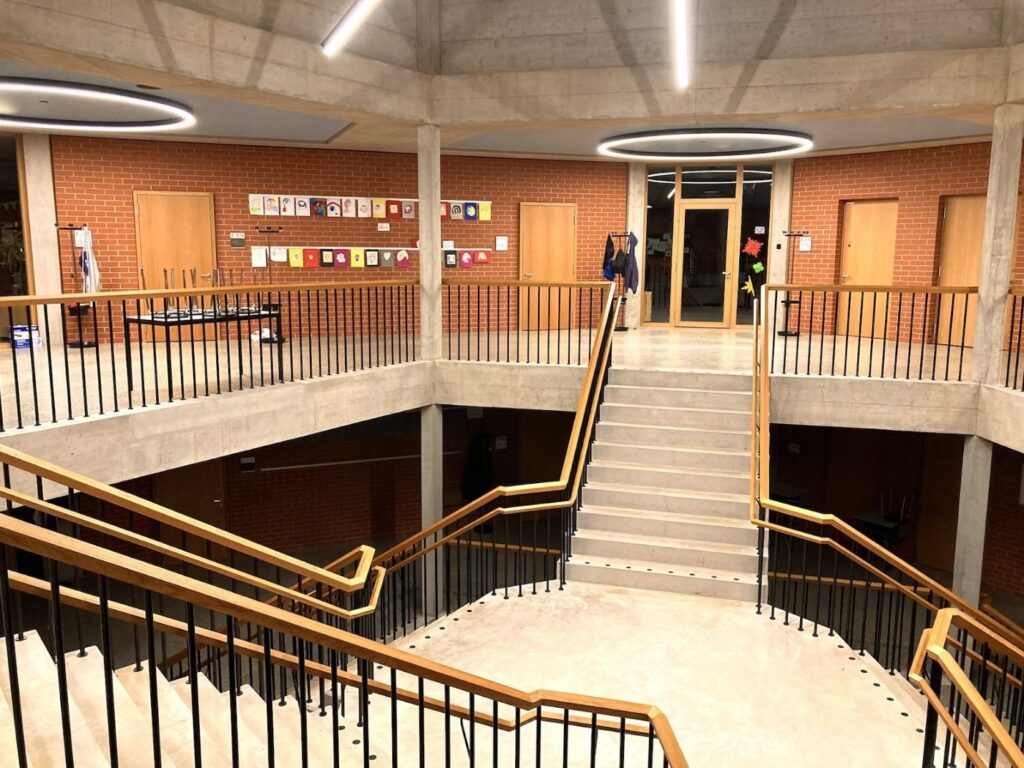
The safety of students and staff is of the utmost importance in educational facilities. With the unfortunate rise in school shootings and other security threats, it is more important than ever to enhance the safety features of educational facilities. Enhanced safety features can provide a safer and more secure learning environment for students and staff, allowing them to focus on education without fear.
There are a variety of enhanced safety features that can be implemented in educational facilities. These include security cameras, access control systems, and emergency notification systems. Security cameras can be used to monitor the perimeter of the school and the interior of the building. Access control systems can be used to limit who has access to the school and to track who is in the building at all times. Emergency notification systems can be used to alert students and staff in the event of an emergency.
Additionally, glass commercial railings can be used in place of traditional non-transparent walls/railings to increase the visibility of the surroundings from any viewpoint in the educational facility. This makes it harder for potential threats to hide on school grounds.
Enhanced safety features can provide a number of benefits to the educational environment. They can help to deter crime, reduce the risk of injury, and improve the overall safety of the school. They can help to create a more positive learning environment by reducing distractions and allowing students to focus on their studies.
Top-Notch Curb Appeal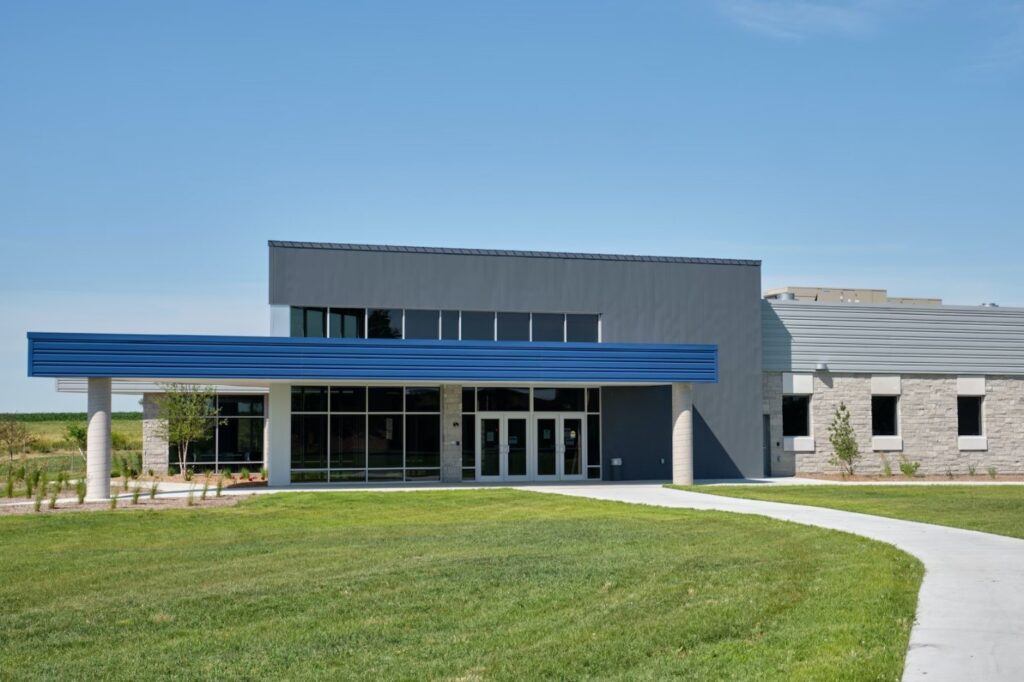
In today’s competitive educational landscape, schools are increasingly recognizing the importance of curb appeal. Curb appeal is the overall appearance of a school’s exterior, and it can have a significant impact on the perceptions of students, parents, and the community.
An attractive and well-maintained school exterior can create a positive first impression and make a school more inviting and welcoming. This can be especially important for schools that are trying to attract new students or improve their reputation.
In addition to making a good impression, curb appeal can also provide a number of other benefits to the educational environment. Studies have shown that students who take pride in their school are more likely to be engaged in their learning and have better academic outcomes. School’s with functional exterior spaces, such as shaded picnic areas, can provide students a needed change of scenery for doing homework or studying outside of the classroom.
Embracing the Future in Texas Education with Modern Building Concepts
Like all other sectors of the building and construction industry, modern educational facilities are being built with the most cutting-edge concepts in mind. Specifically, they are leveraging materials that help create flexible and adaptable spaces to enhance the learning environment and safety of the facility. For more of the latest insights and trends in the Texas Gulf Coast, be sure to explore the content at The Katy News for the leading voices on all contemporary issues!