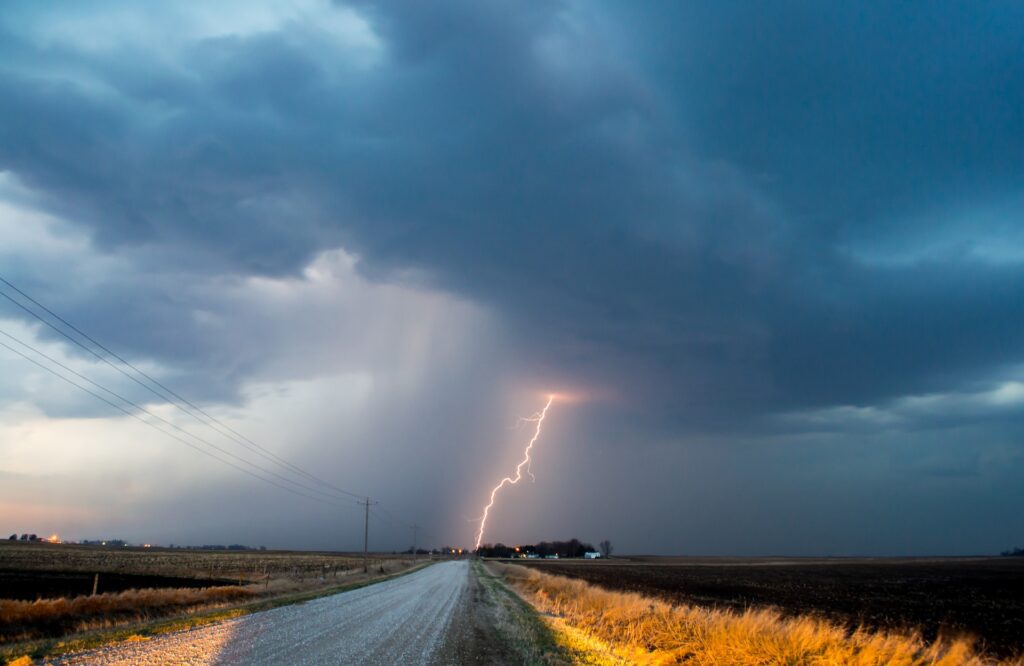
Long-time North Carolina residents know that although weather conditions are often predictable, as the years go by, it’s becoming more and more difficult to know what to expect weatherwise. While this may not be cause for alarm for home-dwellers, those who are forced to commute back and forth to their jobs are at a greater risk of a weather-related car accident. Understanding how the weather affects driving is key to avoiding an unexpected car wreck.
If you’re one of the unfortunate victims of a North Carolina car accident, schedule a free consultation with a Whitley Law Firm car accident lawyer. While you’re on the mend, they’ll be fighting for you to receive fair compensation for your damages.
Weather Conditions and Safe Driving: What You Should Know
Driving in inclement or bad weather requires a different type of driving than during times of clear skies and ideal road conditions. Many weather-related accidents could have been avoided if the driver had the knowledge and forethought of what changes to make to their usual driving style. Here are 6 key points to consider when driving in less-than-ideal weather.
Plan Ahead
If the weather is bad but you still have to hit the road, plan ahead so you know what to expect. Check out your favorite weather app so you know what the road conditions are or watch your local weather channel for updates about inclement weather. If you expect difficult driving weather, give yourself some extra time to get to your destination. Foolishly rushing through bad weather to ensure that you’re not late could easily cause an accident.
Slow Down
Whether it’s snow, ice, wet roads, or other types of bad driving conditions, it’s important to slow down. Regardless of what the posted speed limit is, during times of bad weather, you’ll need to slow down to safer speeds. This is especially crucial when making turns since slick road conditions could cause you to easily lose control of the vehicle. Driving too fast on wet roads can cause hydroplaning, and can easily cause you to completely lose control of your vehicle.
Leave More Room
Whether driving on snowy roads, slick surfaces, or during times of limited visibility, leave more room for the car or cars in front of you. Stopping distances are severely decreased on slick roads so you’ll want to ensure that you have plenty of time and distance in case you need to stop suddenly. This also applies to the vehicles in other lanes beside you. Always have an exit plan in case you quickly have to maneuver your vehicle to avoid a collision.
Low Beams for Thick Fog
North Carolina is no stranger to foggy road conditions. With decreased visibility, you’ll need to drive with extra caution. Your vehicle’s high beams won’t do much more than highlight how difficult it is to see and it’s better to drive with your low beams on. They’ll help you to see a bit better, but mostly it’ll help other vehicles on the road to see you.
Avoid Flooded Roads
Never drive on roads that are flooded with water. Any road that has more than 4 inches of standing water is more hazardous than you may think. If you find yourself unexpectedly driving on a road with over 4 inches of running water, drive slow and steady until you’re through it. Driving fast could cause water to flood the engine and shut it off.
Wait It Out
It’s not advisable to drive when the conditions are bad, especially if you have limited experience driving. If you’re out on the roads and unexpected severe weather hits, pull over to a safe location and wait it out. It’s better to be late than to drive in less-than-safe conditions and cause or become the victim of a car crash. If pulling over to the side of the road is your only option, keep the vehicle running with its hazard lights flashing. This will ensure that other drivers see you.
North Carolina Weather Conditions and Car Accidents: Play It Safe
Never operate a motor vehicle when you don’t feel safe or experienced enough to do so. Accidents are much more likely to occur during inclement weather and all drivers need to take certain precautions. Whether it’s slowing down or giving the vehicles around you plenty of extra room, it’s your responsibility to drive safely, especially when the weather turns bad.
If you’ve been the victim of a weather-related crash, regardless of the circumstances, you’ll want to have the best legal representation possible. An experienced personal injury car accident lawyer will ensure that you’re compensated for any and all damages. While you’re busy recuperating, they’ll be busy ensuring that you get the compensation that you deserve.