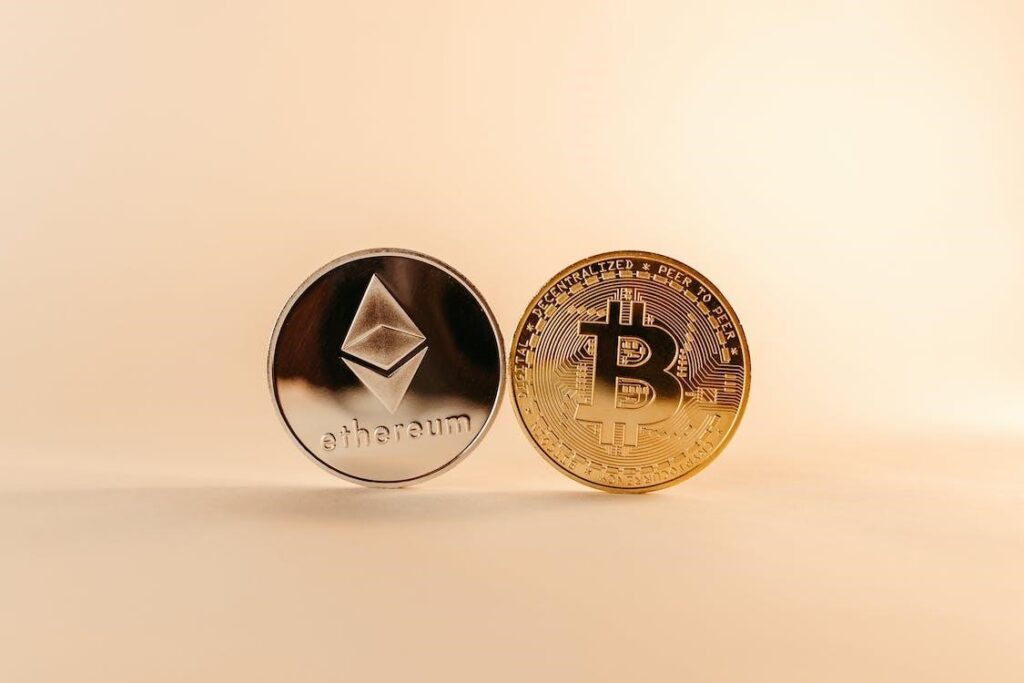
Bitcoin has gained significant attention as a cryptocurrency that has the potential to transform the financial system in Montenegro. While the traditional financial system is centralized, Bitcoin introduces a decentralized and digital currency, making it a reliable and secure mode of transaction in Montenegro. You can also explore bitcode method for further information
One of the primary roles of Bitcoin in the financial system of Montenegro is to provide an alternative to fiat currency. Bitcoin users can easily transfer funds from one wallet to another without the need for intermediaries, reducing the overall transactional cost. Further, Bitcoin’s blockchain technology allows for secure and transparent transactions, making it challenging for fraudulent activities to occur.
Another essential role of Bitcoin is the possibility of facilitating international transactions seamlessly. With the help of Bitcoin, Montenegro’s businesses can transact across borders without the high exchange rate fees charged by traditional banks. Bitcoin is independent of geographical boundaries and does not rely on government policies or regulations, making it an ideal medium for cross-border transactions.
Moreover, Bitcoin’s finite supply of 21 million coins makes it reliable and inflation-resistant. This characteristic protects Montenegro’s economy from the ill-effects of hyperinflation, which is a prevalent issue in many developing countries.
In summary, Bitcoin has the potential to transform the financial system in Montenegro by providing an alternative to fiat currency and facilitating seamless international transactions. Its decentralization and blockchain technology make it secure and transparent, reducing the overall transactional cost. Additionally, its resistance to inflation makes it an attractive option for investors looking for a stable and secure investment. Therefore, it can be concluded that Bitcoin plays a significant role in the financial system of Montenegro..
Benefits of Bitcoin Trading for Finance:
In recent years, Bitcoin has emerged as a promising digital currency and a popular investment option for investors worldwide. With its decentralized nature, greater security, and lower transaction costs, Bitcoin has challenged the traditional financial institutions and posed as a viable alternative.
One of the significant advantages of Bitcoin is that it offers a faster, cheaper, and more secure way to transfer money across borders compared to traditional banking systems. Bitcoin eliminates the need for intermediaries, such as banks, that often charge high fees and involve time-consuming processes to process transactions.
Furthermore, Bitcoin’s limited supply and mathematical algorithms ensure that the currency remains deflationary, which makes it attractive for long-term saving and investment. Unlike fiat currency, Bitcoin’s value can’t be manipulated by governments, central banks, or any other third party.
Also, Bitcoin’s blockchain technology allows for greater transparency and security. All transactions are cryptographically protected, with each transaction recorded on the public ledger that can be seen by anyone. This makes it impossible to tamper with or manipulate data.
Overall, Bitcoin offers great potential as an investment instrument in the financial system due to its unique properties and advantages over traditional banking systems. Its widespread acceptance and increasing popularity in recent years have proven its value and potential in the finance world. As more people adopt cryptocurrencies, its use will become increasingly prevalent in our society.
Another benefit of Bitcoin trading is that it provides anonymity to users. Bitcoin transactions do not require any personal information or identifiers, giving users greater privacy and protection against identity theft and fraud.
Moreover, Bitcoin’s acceptance as a form of payment is gradually increasing, with more businesses and merchants adopting it as a payment option at a faster rate. This increased adoption of Bitcoin, coupled with its user-friendly and secure nature, makes it a viable option for a global financial system.
However, Bitcoin’s role in the financial system is still somewhat limited, and it faces many challenges, such as regulatory issues, scalability concerns, and market volatility. Despite these challenges, Bitcoin’s potential to revolutionize the financial system is undeniable, and it remains a potent investment option for investors worldwide.
Final Words:
In conclusion, Bitcoin is a revolutionary technology that has the potential to disrupt and revolutionize the traditional financial system. While it may not be mainstream yet, its advantages over fiat currency are undeniable. It offers users an unprecedented level of privacy and security in their transactions as well as low transaction fees when compared with other payment methods. With increasing acceptance among merchants and more people beginning to invest in cryptocurrency, there’s no doubt that Bitcoin will continue to play an increasingly important role in our economy for years to come. As we move forward into this new age of digital finance, now is the time to get familiar with how cryptocurrencies work so you can make informed decisions about your money’s future.