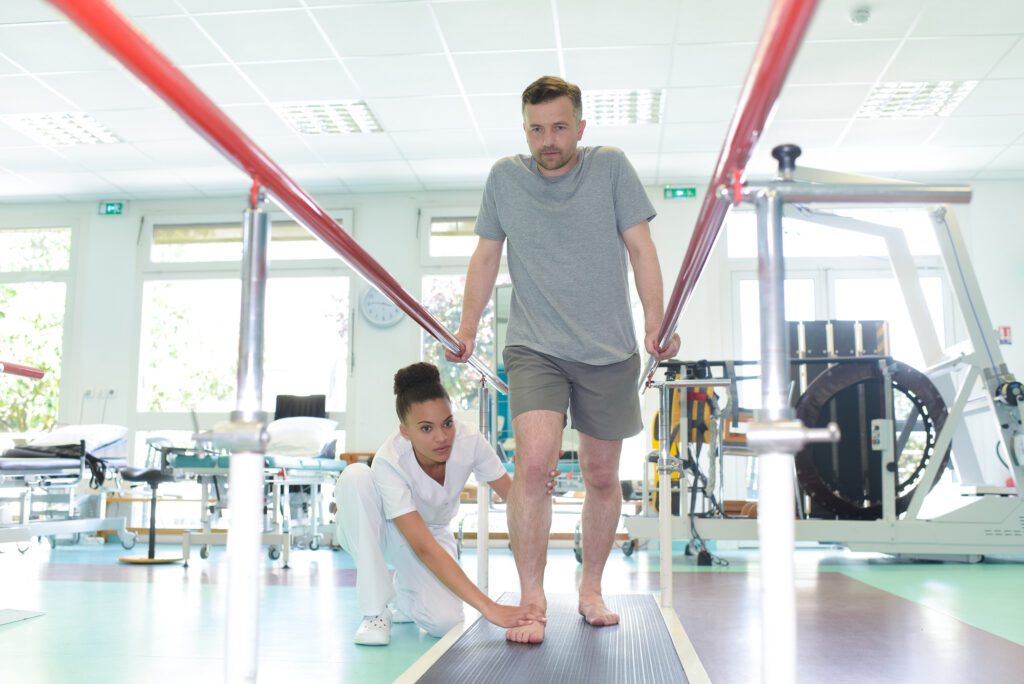
patient doing physical therapy
If you’ve had an illness or injury that keeps you from doing daily tasks efficiently, your primary care physician might recommend physical therapy. So, what is physical therapy, and how can it help you address your illness or injury?
Physical therapy, or physiotherapy, is a medical treatment that aims to relieve pain and help people function and live better. One may need it to:
- Ease pain;
- Improve the range of bodily motion;
- Recover from or prevent a sports injury;
- Reduce the risk of surgery and disability;
- Rehabilitate after an accident, a stroke, or an injury;
- Improve balance and coordination to avoid slips and falls; and so on.
Physical therapy is also advised for those who need to recover after giving birth, control their bowel or bladder, get a brace or splint, and use a walker. If you or a loved one needs physical therapy, visit https://www.homenursingwithheart.com/services/rehabilitation-therapy/ or other similar links for more information.
However, physical therapy can be challenging, but that doesn’t mean it isn’t manageable. This post will guide you through some tips for supporting yourself through physical therapy. Read on to learn more.
Choose The Right Physical Therapist
If your doctor advises you to undergo physical therapy, they might ask you to visit a therapist. In most cases, physicians recommend someone they know, but if you’re to find one for yourself, how would you do it?
Here are some questions that may help you find the physical therapist suitable for your needs:
- Do They Possess The Right Skills?
All physical therapists undergo the same training. Nonetheless, each may possess different skills and expertise based on their specialization.
Although all physical therapists are well-versed in various areas, including geriatrics, neurology, sports, orthopedics, oncology, and pulmonology, it’s always better to consult a specialist. Make sure your therapist is trained to treat your specific issue.
A physical therapist specializing in a particular discipline had more concentrated training suitable for specific patient needs.
- Do They Possess Additional Certifications?
Aside from specializing in a specific discipline, most physical therapists undergo residency to train in other fields of interest.
For example, a physical therapist may possess a CSCS (certified strength and conditioning specialist) certification, allowing them to work as a trainer in any commercial gym. This is ideal for those who want to be fit and stay fit.
- Can They Provide An Individual Treatment Plan?
Physical therapy isn’t a one-size-fits-all solution. Each condition may have different underlying causes, which are supposed to be treated accordingly.
Look for a specialist who provides one-on-one care for a minimum of 30 minutes. They should be able to devise a care plan on your first meeting. This personalized care should include the goals of the program as well as how to achieve them.
When working with a physical therapist, be as flexible as possible. They need to track your progress weekly to determine whether the established goals and timelines must be adjusted.
- Do They Give You Homework?
An hour of appointment isn’t enough to complete everything stated in the care plan. This means stretching, mobility work, and other activities have to be done outside of your therapist’s office as well.
Your specialist should provide you with take-home materials to accomplish. Otherwise, you’re not receiving complete care, which can slow down your recovery.
Make sure that you pose the abovementioned questions to a physical therapist candidate during an initial meeting so that you’ll be able to gauge their competence and how well you two would work with each other.
Be Your Own Historian
During your first appointment, your physical therapist will examine your condition to see what’s happening inside your body. Then, they’ll ask you some questions to learn more about your condition.
It’d be better to state when the pain started since some health issues are more identifiable if there’s a given timeline.
Before your first appointment, grab a journal and create a timeline of your condition. Jot down all the possible details you can remember, including when the pain started, what symptoms have occurred, and other essential information.
And be as honest as possible when you create a timeline. Providing inaccurate information may delay the treatment and recovery progress.

Professional supervision. Nice positive doctor standing behind his patient while fixing his hands in the right position
Set Your Physical Therapy Goals
Having goals is one way to ensure successful rehabilitation. When you start your therapy, you have to think about what you want to accomplish.
When setting goals, pick those that are most important to you. But keep in mind that they must be realistic and attainable. Otherwise, you’ll be disappointed with the care program and its possible outcomes.
Try to set goals based on function and impairment, such as:
- To return to work;
- To go to the bathroom with ease;
- To play sports again after an injury; and
- To sit and stand without enduring pain.
These goals may help you throughout the day. They focus on different functions that most people do every day. Your goals will depend on what you can’t do when you start the rehabilitation and what you want to do after the treatment.
Physical therapy goals are typically individualized based on the patient’s needs and condition. Once you’ve defined your goals, discuss them with your therapist.
Commit To Your Physical Therapy Appointments
Committing to physical therapy appointments is crucial to recovery. Missing even a single appointment may delay the healing process. So, make sure you don’t skip a visit, no matter how tempting it may be.
The number of appointments you have to attend may vary depending on the severity of your condition. For minor injuries or surgeries, two to three physical therapy visits are enough, while severe cases typically require 20 or more visits that may span over several months.
Keep in mind that your recovery progress will depend on whether you’re attending appointments and performing the recommended activities.
Do Your Homework
In physical therapy, specialists often give some work to patients outside the scheduled appointment.
Make sure you do your homework because it’s part of the care plan your therapist developed, along with the treatment timeline. Otherwise, your condition won’t improve, and your therapist will find it difficult to adjust the care plan.
Here are some exercises your therapist may request you to do:
- Muscle-Strengthening Exercises
Muscle-strengthening exercises are essential when it comes to improving strength and coordination. This can lead to reduced pain levels and falls.
Some muscle-strengthening exercises your therapist may ask you to do include weight, elastic band, and body weight exercises.
- Balance And Coordination Exercises
Physical therapy may help improve balance and restore coordination. Some balance and coordination exercises include walking on a balance beam, standing using a single leg, and squatting with a chair.
- Ambulation Exercises
In physical therapy, ambulation refers to walking with the help of crutches, a walker, a cane, or someone else. If you have problems walking, your therapist may recommend ambulation exercises to improve your mobility.
Ambulation exercises include walking, jogging, side-stepping, shuffle walking, and stair climbing.
- Range-Of-Motion Exercises
Range-of-motion exercises are integral to physical therapy. These exercises improve your joints’ range of motion to help you recover from chronic pain and injuries.
Some range-of-motion exercises include hamstring stretch, supine hip extension, lying hip flexion, straight-leg raise, and prone knee-to-chest exercise.
Make sure that you carry out the take-home exercises your physical therapist has directed you to hasten the recovery process.
Get A Good Night’s Sleep
Sleep is essential for many processes in the body, including heart health, anxiety modulation, cognitive function, learning and memory, and healing. Therefore, if you want to accelerate your recovery progress, make sure you get enough sleep every night.
The question is: how long should you sleep?
According to the Centers for Disease Control and Prevention (CDC), adults (aged 18 and above) need at least seven hours of sleep to maintain healthy physical and mental well-being. Shorter sleeps may slow recovery progress.
But if you’re having trouble sleeping at night, the following tips may help:
- Create A Sleep Schedule
Creating a sleep schedule may help you sleep consistently and uninterruptedly at night. Try to sleep and wake up at the same time every day. For example, sleep at 9:00 p.m. and wake up at 5:00 a.m. tomorrow every day. It’d be better if you could do this even on weekends and holidays to reset your body clock in its healthy state.
- Remove Electronics Before Bedtime
When you’re about to sleep, your brain produces a hormone called melatonin, which regulates your sleep-wake cycles. This compound doesn’t make you sleep but puts you in a state of quiet wakefulness, promoting sleep.
So, what does melatonin have to do with electronics before bedtime?
Electronic devices, such as TV, smartphones, and tablets, are notorious for emitting blue light. Exposure to blue light may reduce the amount of melatonin your brain can produce, making it difficult to sleep at night and increasing the risk of insomnia.
Therefore, stay away from your gadgets for at least a few hours before bedtime. Read books instead before you sleep.
- Create A Sleep-Inducing Environment
If you still find it hard to sleep at night despite the tips above, you might need to make your bedroom more sleep-inducing.
First, sleep in darkness. Make your bedroom as dark as possible. You may use room-darkening shades or lined draperies to prevent any light from entering the room. Plus, remove potential sources of light, such as computers, TV, and smartphones.
Next, reduce noise. If you can sleep with earplugs on, do it. This may help reduce the noise that might wake you up at night. In addition, make sure your phone is on silent mode, so you won’t be disturbed while sleeping.
Finally, keep your bedroom cool. A cool room temperature makes a comfortable sleep environment. Keep your bedrooms around 65 degrees °F (18.3 degrees °C) by adjusting your AC’s thermostat.
If you’re still having trouble with getting high-quality restful sleep, consult with your doctor.
Eat Healthy Foods
Eating a balanced and healthy diet is essential, whether recovering from an injury, an illness, or surgery. Below are the healing foods that may help your body recover during the therapy.
- Leafy Green Vegetables
Leafy green vegetables, such as arugula, spinach, mustard greens, kale, and Swiss chard, contain nutrients that may help reduce inflammation, boost immunity, and accelerate wound healing. Thus, these veggies are perfect for recovery.
- Eggs
Your body requires more than enough protein to recover, especially after surgery. Experts recommend around 0.7-0.9 grams of protein per pound of body weight. This is equal to 91-117 grams for a 130-pound person.
With six grams of protein per 50-gram egg, eggs aren’t just a protein powerhouse. They contain a lot of essential nutrients your body needs, such as vitamins A and B12, iron, selenium, and zinc too.
- Salmon
Salmon contains selenium, iron, zinc, B vitamins, and omega-3 fatty acids. According to studies, omega-3 fatty acids may boost the immune system, reduce inflammation, and promote wound healing.
- Berries
Berries are packed with plant compounds and essential nutrients that may help support your therapy. For example, berries contain ample amounts of vitamin C, which boosts wound healing by triggering collagen production.
In addition, berries are brimming with antioxidants, which provide anti-viral, anti-inflammatory, and immune-supporting properties.
- Nuts And Seeds
Nuts and seeds, such as sunflower seeds, almonds, walnuts, hemp seeds, and pecans, may help fuel your body during recovery. These foods contain healthy fats, protein, vitamins, and minerals that promote healing.
For instance, nuts and seeds contain magnesium, manganese, vitamin E, and zinc. Vitamin E works as an antioxidant keeping your body protected against cell damage. And it’s vital for the immune system.
- Sweet Potatoes
Sweet potatoes are rich in carbohydrates, which are essential for healing. Carbs provide enzymes like citrate synthase and hexokinase, promoting wound recovery.
Sweet potatoes also contain vitamins, minerals, and anti-inflammatory compounds, such as vitamins C, manganese, and carotenoids. These nutrients may enhance your immune response and promote body recovery.
Make sure that you eat a balanced meal three times a day to support your body in its road to recovery.
Take Notes
In physical therapy, it’s crucial for the patient to be a proactive partner in rehabilitation. So, grab a journal and start writing everything you did throughout the day, including exercises your therapist asks you to do.
In addition, write what you feel and everything happening during the treatment program. Did your condition improve? Did your symptoms improve or worsen? Was the care plan effective in relieving your pain and healing your wounds?
Your therapist may use your journal to monitor your condition as well. This could help them make necessary adjustments to your treatment plan.
Final Thoughts
Physical therapy is a medical treatment that helps patients restore their quality of life by improving their mobility, balance, strength, and range of motion. Follow the tips discussed above to make the most of your program. Further, don’t hesitate to ask questions to your physical therapist to clear any misunderstandings and ensure a smooth care plan.