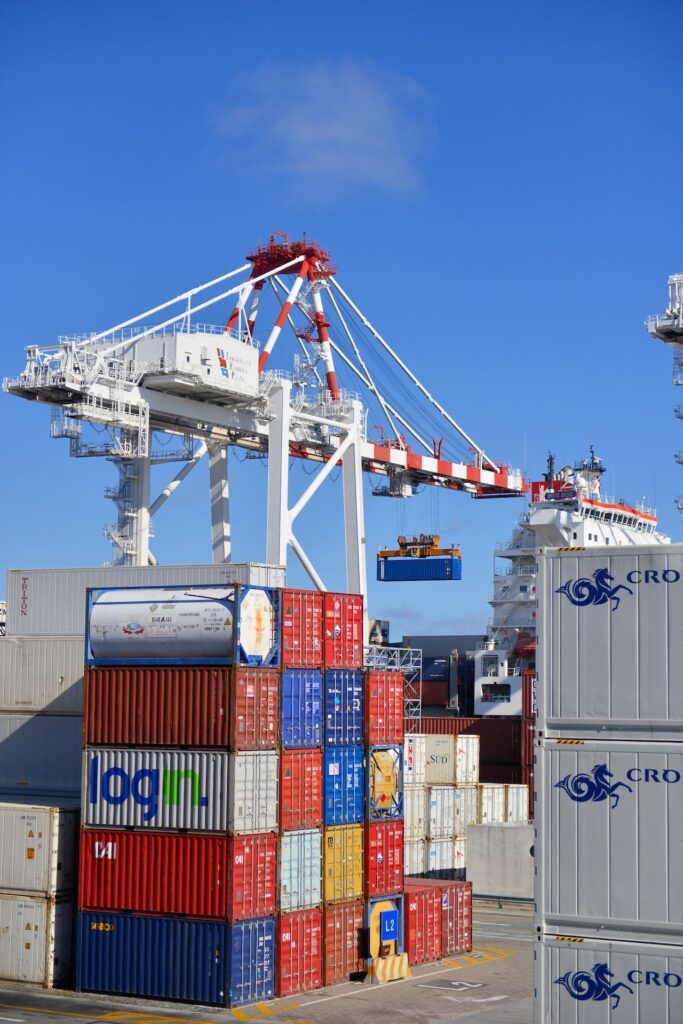
Electronic crane scales, also referred to as hanging scales, are tools used in commercial settings to measure heavy loads. These scales are frequently employed in industries like shipping, manufacturing, building, and logistics where exact and accurate weight measurements are essential for efficient operations. The benefits of electronic crane scales and their various uses in industrial weighing operations will be discussed in this blog article.
Advantages of Electronic crane scale:
- Accuracy: Some versions of electronic crane scales can measure weights to within 0.1% of their maximum capacity, which is a remarkable level of accuracy. They are therefore perfect for use in fields where exact measurements are essential, like manufacturing, shipping, and logistics.
- Efficiency: Compared to conventional mechanical scales, electronic crane scales are quicker and more effective because they can compute and show an object’s weight as soon as it is lifted. In industries where large volumes of materials need to be rapidly weighed, this can reduce time spent and boost productivity.
- Durability: Electronic crane scales are made to endure challenging working conditions, such as extreme heat and humidity as well as exposure to dust and dirt.In comparison to mechanical scales, which can degrade or lose accuracy over time, they are also less susceptible to wear and strain.
- Versatility:Electronic crane scales are versatile and can be used in a range of locations, including factories, cargo ports, and building sites. They can be quickly mounted onto cranes or other lifting devices, and some versions are made to be portable and simple to move.
- User-friendly:Operators can quickly and easily measure items on electronic crane scales. Thanks to their clear displays and straightforward controls. Some versions have programmable settings and data storage capabilities, which make them useful for data analysis and record-keeping.
- Safety: Electronic crane scales are designed with safety in mind.Many models have overload safety features that stop the scale from being overloaded and possibly causing accidents. Also, these scales often come with remote displays, which allow operators to read weight measurements from a safe distance.
Applications of Electronic crane scales:
- Industrial weighing: Electronic crane scales are frequently used to measure heavy items like steel beams, shipping containers, and equipment in sectors like construction, manufacturing, and logistics.
- Logistics and shipping: When shipping containers, cargo, and other large items need to be moved by trucks, trains, or ships, electronic crane scales are used to measure them.
- Recycling and waste management: When transporting scrap metal, waste, and recyclable materials to recycling facilities, electronic crane scales are used to measure the materials.
- Agriculture and farming: Electronic crane scales are used to measure bulky agricultural items like hay bales, grain sacks, and animal feed.
- Mining and extraction: When minerals, ores, and other materials are being extracted from mines or quarries, electronic crane scales are used to measure them.
- Aerospace and defense: Electronic crane scales are used to weigh aerospace components, missiles, and other defense-related materials.
- Oil and gas: Drilling equipment, pipes, and other large pieces of equipment used in the oil and gas business are all weighed using electronic crane scales.
Conclusion:
In comparison to conventional weighing systems, electronic crane scales have a number of benefits, including precision, robustness, safety, and portability. They have a wide range of uses in commercial weighing processes, such as shipping and logistics, production, building, and mining. Consider buying an electronic crane scale if you require a dependable and accurate weighing device for your industrial operations.