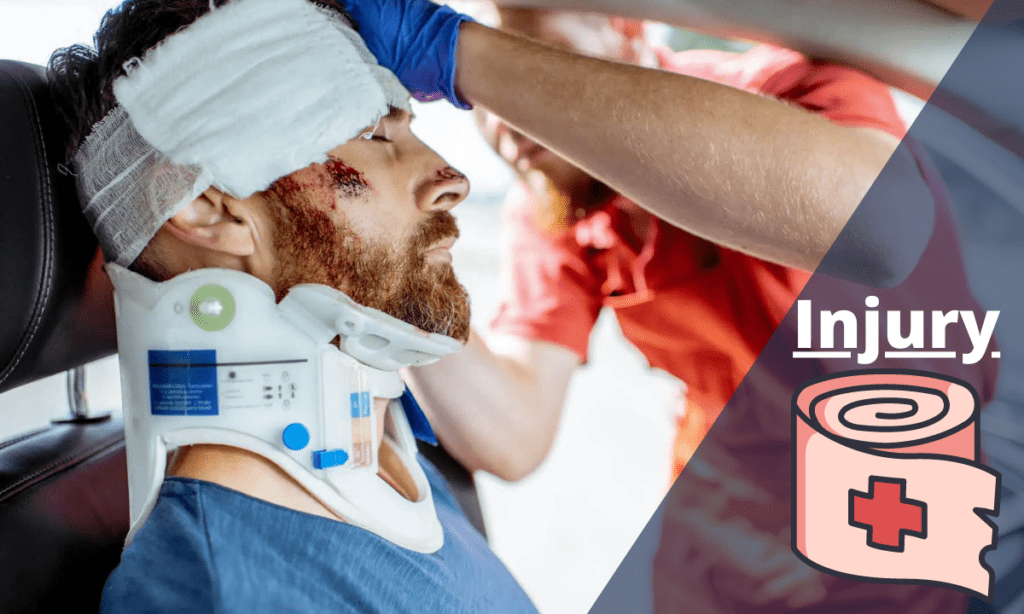
Any damage severe enough to drastically change a person’s life following an accident is considered catastrophic. Severe injuries such as these might make it impossible for a person to work, earn money, be physically active, pursue interests, or socialize with others in the same way they did before the accident.
Get the assistance of a personal injury lawyer if your life has been turned upside down because of a life-altering accident caused by the negligence of another. To identify the next steps, your attorney will review your legal rights and assess the facts of your case.
Different accidents may lead to catastrophic injuries. What decides the classification is not the type of incident but the degree of the harm. With that said, here are the common types of catastrophic injuries.
Burns
Burns are among the most severe and painful injuries a person may get. They may cause significant scarring, incapacity, and even death. Several things may cause burns, including fire, chemicals, electricity, hot liquids, and radiation. If you or your loved one has suffered a burn injury, immediately get medical assistance.
Burns are classified into three types: first-degree burns, which affect the surface layer of skin, second-degree burns, which affect the outer layer of skin and the layer of tissue underneath it and third-degree burns, which affect all layers of skin and tissue. Thermal, electrical, and chemical burns are other types of burn injuries.
Burn injuries’ treatment varies depending on the burn’s severity and may involve surgery, skin grafts, physical therapy, and psychiatric counseling. If you have been burned, you must contact an expert personal injury attorney who can assist you in getting compensation.
Traumatic brain injuries
A traumatic brain injury is a form of brain damage that may result in long-term physical, cognitive, and behavioral issues. Different circumstances, including slip and fall, motorcycle accidents, car or truck accidents, and sports-related injuries, may result in brain damage.
Brain injuries are often the consequence of another person’s negligence. If you or someone you know has suffered brain damage because of the negligent acts of another, you may be entitled to compensation. A skilled personal injury attorney can assist you in understanding your legal choices and fighting for the compensation you deserve.
A brain injury may be caused by various factors, the most frequent of which is head trauma. This may happen because of a severe fall, a car accident, or a hit to the head. If the brain absorbs enough injury, it might enlarge, leading to more damage and death.
Spinal cord injuries
Spinal cord injuries may have far-reaching and long-term consequences, ranging from persistent discomfort to paralysis. Even relatively minor spine injuries might result in lasting damage. That is why seeking medical assistance after an accident that causes back, or neck discomfort is critical. Early detection and treatment are essential for avoiding additional spinal injury.
Even if you do not believe you have been hurt in an accident, you must consult a doctor. Only an expert can tell you whether your spine has been damaged. In addition, if you suffer a spinal cord injury, timely treatment may frequently reduce the long-term repercussions of the damage.
Broken bones
A severe fracture is a break in the bone that runs through the whole bone. Surgery is generally required to treat severe fractures. The surgeon will reassemble the bone, maybe using metal screws or plates to keep it in place. A serious fracture might take many months to heal.
During this period, you must avoid putting weight on the fractured bone and undergo physical therapy to restore strength and mobility. If the fracture is not treated properly, it may result in persistent discomfort, incapacity, and even death. For these reasons, if you suspect you have a serious fracture, you should seek medical assistance immediately.
Limb amputation injuries
Amputation is a traumatic, life-changing injury that many accident victims face. These sad incidents have made individuals dependent on medical help for daily activities.
Although prostheses and physical therapy may assist in restoring one’s quality of life following a limb amputation, there is little that can be done to recover those limbs after a serious accident.