
Crashing and injuries are a part of the biking sport. Use the tips in this article to prepare to get back to cycling after a bike race injury.
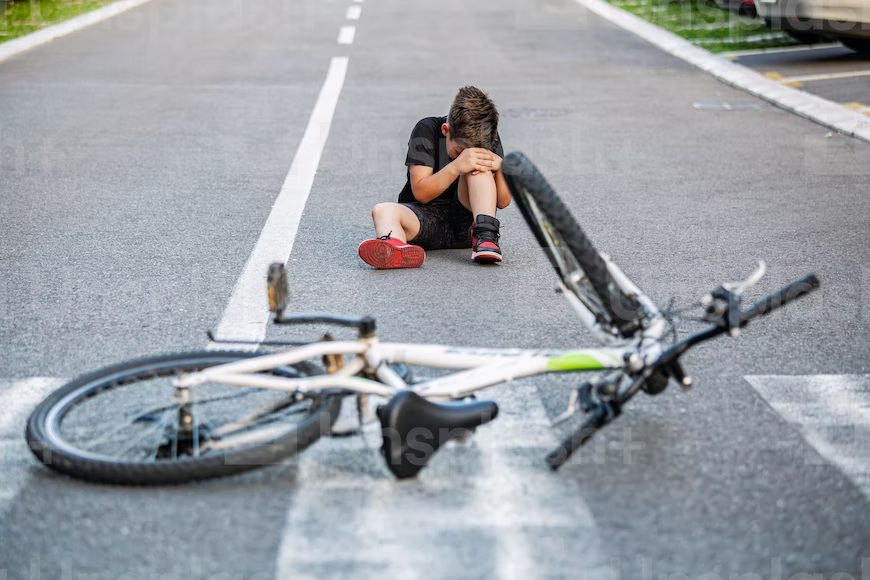 Cycling is fun and excellent for your mental health and overall fitness. However, it’s also riddled with risks, such as injury after an accident. Therefore, every rider must know that crashing and injuries are part of the sport.
Cyclists must take every measure to protect themselves by wearing safety gear, such as helmets, knee and elbow pads, and gloves. They must also train consistently and familiarize themselves with the trails to minimize the chances of accidents. However, since crashing is inevitable, they must use these tips to bounce back to the next mountain bike race.
1. Acceptance
The first step to recovery after a cycling accident is to accept that you have incurred an injury. Staying away from your mountain bikes can be challenging but essential for healing. Then create a recovery plan.
2. Having a Support System
Recovery from a cycling injury is a long process, especially if it involves a fracture. As such, you need to have a robust support system. They can help you with chores around the house, ensuring you stay seated instead of on your feet. They will also help ferry you to and from your physical therapy sessions. They can also be your source of strength and comfort and help motivate you to work harder for your recovery.
3. Low-Impact Exercises
While lots of rest is essential, you must also exercise after your physician approves you. You can start with low-impact exercises, such as walking. Swimming is also an excellent exercise for muscle recovery as buoyancy provides support and adds resistance, making it challenging and quite effective for your recovery.
In your exercises, you can also focus on training your injured joints. When cycling, your knee, hamstrings, legs, arms, and back are the most vulnerable parts of your body. Since it’s challenging to strengthen your joints, you must focus your exercises on areas around them. Start without weights and add little by little as you improve your body.
4. PT Sessions
If your injury is on your back or other centralized areas, low-impact exercises will not be ideal as they can cause further damage. In that case, it would be best to work with a physical therapist specializing in yoga and other rehabilitation exercises. These exercises relieve muscle soreness and back pain, a common problem with cyclists.
You can also try breathing exercises, such as meditation, as they help you become grounded and develop a deeper awareness of your aches and pain, thus allowing you to address them better.
5. Plenty of Sleep and Rest
After getting into an accident, you’ll need as much rest as possible to relieve your body of stress and fatigue and recover your strength. It is believed that your body produces hormones that trigger muscle growth and repair when you are deep asleep. Therefore, sleeping more than 8 hours daily is recommended, especially the first days after your accident.
However, you must get moving after much rest for your body to recover. Still, you must rest between exercises to give your body time to recover. Lack of enough sleep triggers the production of cortisol, a stress hormone that makes a recovery difficult.
While sleep is essential, remember self-care is equally important, such as going to the spa for a deep tissue massage. This helps loosen up the knotted muscles and relaxes your body.
6. Adjust Your Diet for Recovery
After your accident, you might be tempted to reduce your caloric intake to match your low activity level. However, you must eat nutritious meals that provide the energy needed to rebuild your muscles during this period. Additionally, for a swift recovery, it’s best to stick to a healthy diet.
Ensure your meals have lots of proteins or build your bones and muscles. And once you get back on the bike or exercise, you must eat a little extra to allow you to heal as you exert pressure on your body.
7. Ride a Stationary Bike
Once your body can resume cycling, you can opt to ride a stationary bike. It is easy to get on and won’t require much energy to pedal. You can cycle your stationary bike for half an hour to test your body. And if your injured parts start to hurt, you can stop and try another day. After, you want to avoid destroying all your hard work by causing further bodily injuries.
Riding a trainer allows you to ride at your own pace, and the chances of pushing yourself out of influence are low since your company is a blank wall or a screen bike screen. During this period, you must pay close attention to your body and take note of the aches and pain.
8. Go on Short Rides
Once you’ve gotten the hang of riding the trainer and can stay on it for over an hour, you can attempt to hop back on your mountain bike. Don’t attempt to go for long rides. Start with short rides and increase the pace as your body adjusts.
On your first days, it’s best to start with an easy trail and ride for about 30 minutes. Maintain a light-moderate intensity. And ride within your comfort level. Listen to your body and stop once you start to feel pain. You must ride consistently to ensure your body returns to the cycling routine.
Once you start cycling, don’t slack on your exercises, as they help strengthen your body and muscles. Remember to give your body enough time to recover after a cycling session.
9. Consult Your Physician
After your cycling injury, you must consult your physician before exercising. This is because they are knowledgeable about different types of injuries and the best mode of treatment. Besides, they can estimate your recovery timeline.
For those whose career is cycling, it might feel like a death sentence as they would have to withdraw from competitions. However, remember your recovery is crucial to your future competitions. So, take your doctor’s advice seriously and act on it.
Final Thoughts
If you love cycling, you must understand that crashing and injuries are part of this fun sport. Therefore, if you happen to get into a cycling accident, you must take the appropriate measures for recovery. This includes accepting the injuries and accepting help from your friends and families.
Then you must follow your doctor’s advice and commit to your physical therapy sessions to get back on the back as soon as possible. Use the tips discussed in this article to prepare to return to cycling after a bike race injury.