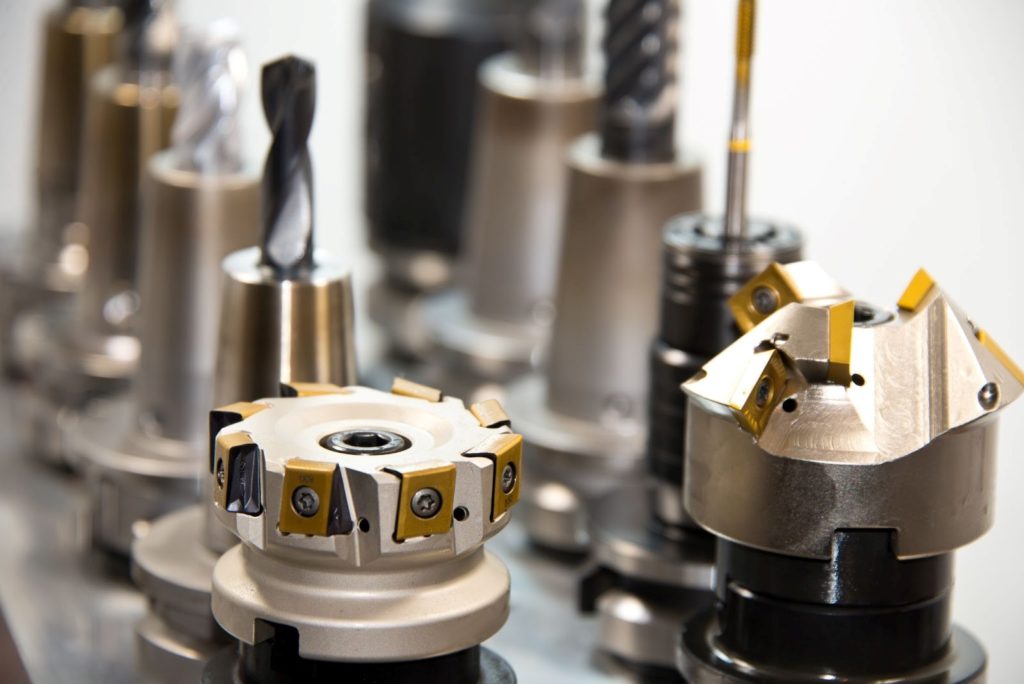
 The EDM Hole technology is a process that helps to speed up the manufacturing process. The EDM Hole technology helps create holes in various materials, which can be used for various industries.
When deciding which drilling method to use on your next project, it’s important to weigh the pros and cons of each option. EDM drilling has several benefits that make it a better choice than conventional drilling. It’s more precise and results in less waste, making it a more efficient process. It’s also cheaper and more affordable than other methods.
Read and know more about the benefits of EDM drilling over conventional drilling.
EDM Drilling: A Quick Overview
Drilling with electronic discharge machining (EDM) uses a tubular electrode charged with a deionized water solution to make holes in the surface. The deionized water current is pressurized on the surface to cut through it in this process. Because deionized water acts as a flushing agent, it removes the material from the surface according to drill dimensions.
EDM Drilling’s Advantages Over Conventional Drilling
Electronic discharge machining (EDM) is a common precision machining technique in the mechanical industry. Some industries, such as medical equipment and aircraft parts, require tighter and faster drilling. In these situations, EDM drilling takes precedence. It has unquestionably surpassed the use of conventional drilling for the 5 reasons listed below.
- Suitable for drilling hard materials
On hard material surfaces, conventional drilling becomes challenging. The surface’s resistance to the drilling tool is extremely high, and it can even break the tool. The tool is frequently interrupted by small eroded particles of the material surface, making drilling even more difficult. EDM drilling, unlike conventional drilling, can pass through hard material surfaces like carbide. Because the electrode flushes out eroded material particles, this drilling is suitable for hard surfaces.
- Drilling curved surfaces is a breeze with this tool.
When it comes to drilling curved surfaces, the traditional drilling method frequently fails. This is due to internal stress and strain on curved surfaces, which resists the motion of a conventional drill. There is no metal tool used in electronic discharge machining; instead, a tubular electrode flushes the material in the forward direction. Furthermore, the electrode rotates around the perimeter of the required hole size, allowing for precise drilling on curved surfaces.
- Improved surface finish
Drilling with a conventional tool produces an uneven surface finish due to friction between the tool and the surface. Deburring is used to restore the surface finish, but it takes time and can change the drill dimensions. EDM drilling leaves no burrs, resulting in a smooth surface finish.
- Drill depth
When drilling conventionally, drill dimensions are a major concern. For different depths of the hole, the operator must switch tools. A small diameter drilling tool will not drill deeper; however, EDM drilling does not require tool changes for different hole depths. As a result, this technique becomes a viable option for smaller, deeper holes and applications requiring precision.
- Reduces chip formation and drilling interruptions on soft surfaces
Due to direct metal-to-surface contact, soft materials tend to burr or chip during traditional drilling. This has an impact on the drilling process’ speed and precision. On the other hand, Electronic Discharge Machining avoids physical contact between the electrode and the material surface, which reduces chip formation and speeds up the process.
Final Thoughts
There are various methods used in the machining industry to produce accurate results. EDM drilling offers several benefits over conventional drilling, but choosing the right technology for each application is critical. Weight the pros and cons of the drilling method you choose so that you can make an informed decision about whether or not to use this technology in your next project.