After the 2020 renewal was cancelled amid the pandemic, and last year’s race was run behind closed doors, there’s sure to be buzz around Aintree as the 2022 Grand National Festival takes places later this week. Of course, the highlight is the eponymous race, and National is often described as the ultimate test for both the horses and their jockeys. A long-standing fixture in the National Hunt calendar, what is it about this great race that captures the attention of viewers from all around the world?
Read on, as we take a look at what makes the Aintree showpiece such a national treasure.
The odds and unpredictability
How often does the favorite win the National? Not very – and looking at the most recent winners, only one horse in the 10 renewals won the 4 miles and 2.5 furlongs circuit when they were sent out as the favorite. Last year’s winner Minella Times was an 11/1 shot, while 2016 champion Rule The World was as far out as 33/1 – and you’d have found 2013 winner Auroras Encore at a price of 66/1. For those checking out the Grand National odds, this makes picking winner a difficult challenge.
Such is the field size, you never know what will happen, or how many of the starting entries will complete the course. One slight slip could cause a melee, and as we’ll come onto next, the Aintree fences are unforgiving.
The fences and the circuit
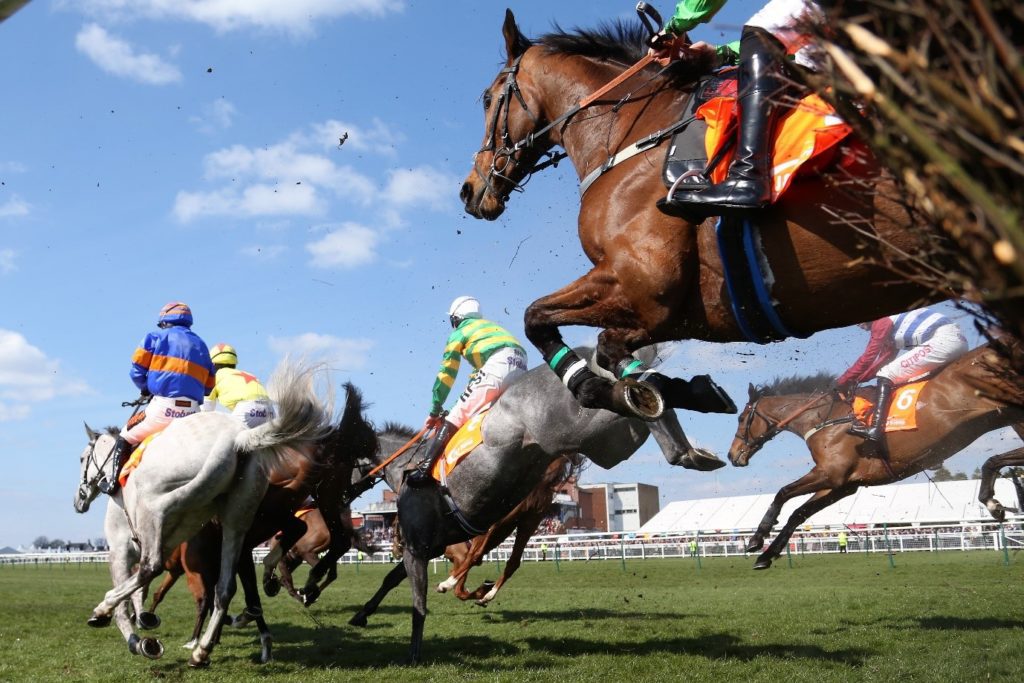
During the race, horses and their riders are required to jump 30 fences, over two laps of the course. The first 14 fences are jumped twice, while fences 15 and 16 – known more affectionately as ‘The Chair’ and the ‘Water Jump’ are only to be cleared on the first lap.
The size of the fences on the Grand National circuit are much higher than those found on other National Hunt courses. The Chair is the highest fence at 5ft 2in, and it’s preceded by a 6ft ditch, while the Water Jump is the smallest as 2ft 6in – although most of the fences are around 5ft in height.
The fences themselves were rebuilt in 2012, and are now made of flexible plastic, rather than the more traditional wooden cores. However, they are still topped with the iconic spruce. Regardless of this, the National is often described as the biggest test for jockeys and their rides – and undoubtedly, part of the charm, is the course.
The folklore and memorable moments
Winners of the National often go down in history – just look at dual-winner Tiger Roll, who was denied a crack at the hat-trick, or Red Rum whose feat he tried emulating. Then there are the record breakers, or those looking to make the history books – sometimes not all for a good reason. Take jockey Richard Johnson. Between 1997 and 2019, he had 21 rides in the National – the most of any jockey. He also had the most rides without a winner, also 21.
However, some of the fences have become famous in their own right, after being named after horses or their jockeys. Becher’s Brook (formerly known as the First Brook) was named in honor of Captain Martin Becher who rode in the inaugural National of 1839. Becher fell from his mount Conrad, and landed in the brook, where he allegedly remarked on how bad the water tasted without whisky. He remounted and fell again at the second brook, failing to complete the race – but his name and story are etched in National folklore.