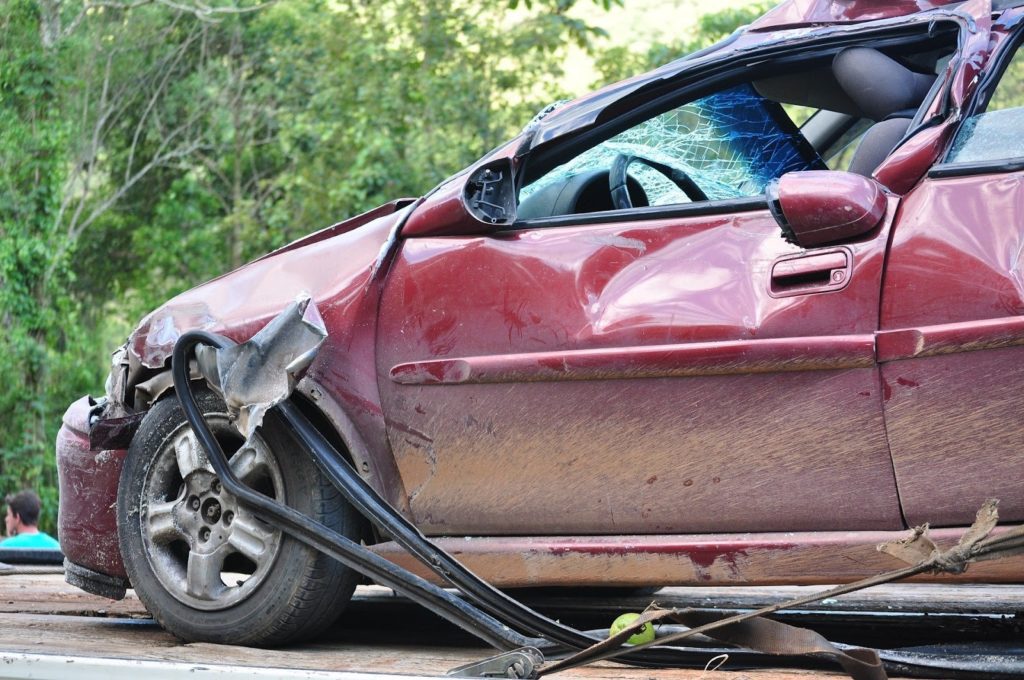
 The fact that you are a safe driver who always pays attention and obeys the law when driving may not protect you from the negligent and reckless behavior of other motorists. According to motor vehicle crash statistics, 77% of all drivers have been in at least one accident. Even if you have never been in a car crash, you have a one in 366 chance of being involved in one during a 1,000-mile road trip.
When you suffer an injury in a car accident caused by the negligent or reckless driving of another motorist, it does not take long before medical bills start arriving in the mail. Unless the providers are willing to wait for payment until settlement of a personal injury lawsuit, you need to find a way to pay those medical expenses.
Filing a personal injury lawsuit after a car accident
A collision between two or more motor vehicles rarely occurs without negligent or reckless behavior on the part of at least one of the parties. The most common causes of car accidents include:
- Driver inattention.
- Speeding.
- Reckless driving.
- Drug and alcohol impairment.
- Driver fatigue.
Unless an insurance company immediately concedes fault and agrees to pay for the damages caused by their insured, you may need to file a personal injury to force payment of the claim.
Medical expenses incurred because of a car accident
The extent of the injuries caused by car accidents run the gamut from minor bumps and bruises to severely disabling injuries or death. Medical expenses may include the following:
- Hospital charges, including emergency department.
- Ambulance services.
- Costs associated with surgical procedures.
- Physician services.
- Diagnostic services, including X-rays, MRIs and CAT scans.
- Laboratory services.
- Prescription medications.
- Rehabilitation services, including physical and occupational therapy.
- Pain management services.
If you live in one of the 12 states that have no-fault laws, medical expenses related to injuries suffered in a motor vehicle accident are paid by your auto insurance company without regard to who was at fault in causing the crash. However, if you do not live in a no-fault state, you need to find a way to pay the medical bills.
Options for handling medical expenses from a car accident
When you live in a state that does not have no-fault car insurance, you need to find a way to pay medical expenses until settlement of your car accident claim. Unfortunately, if providers of medical services are unwilling to wait, here are options to explore:
- Medical payment coverage: Frequently referred to as med pay, medical payment coverage may be added to your car insurance for an additional premium. The insurance company pays the cost of medical care you receive because of injuries in an accident up to the policy limits.
- Private health insurance: Your health insurance policy may cover medical expenses from a car accident when you live in a state that does not have no-fault insurance. You still may be responsible for payment of medical procedures not covered by the insurance, deductibles and copays.
- Medicare and Medicaid: If you qualify for them, Medicare or Medicaid may pay all or part of your medical expenses.
Getting a cash advance against the value of the settlement of your personal injury lawsuit may be another option for paying medical expenses.
Obtaining a cash advance through lawsuit funding
Instead of waiting months or years for money from the settlement or judgment in your personal injury lawsuit, you can obtain an immediate cash advance based on the value of the settlement. The cash advance, or lawsuit loan, comes from a funding company that evaluates your personal injury claim and advances a portion of its anticipated value to you.
Repayment of the money advanced to you along with interest and fees charged by the funding company comes from the settlement of the case. You do not make payments or have any personal obligation.
There are costs associated with lawsuit funding, so they may not be for everyone. The best thing to do is compare the costs and terms offered by different companies and discuss it with your personal injury lawyer before you decide.