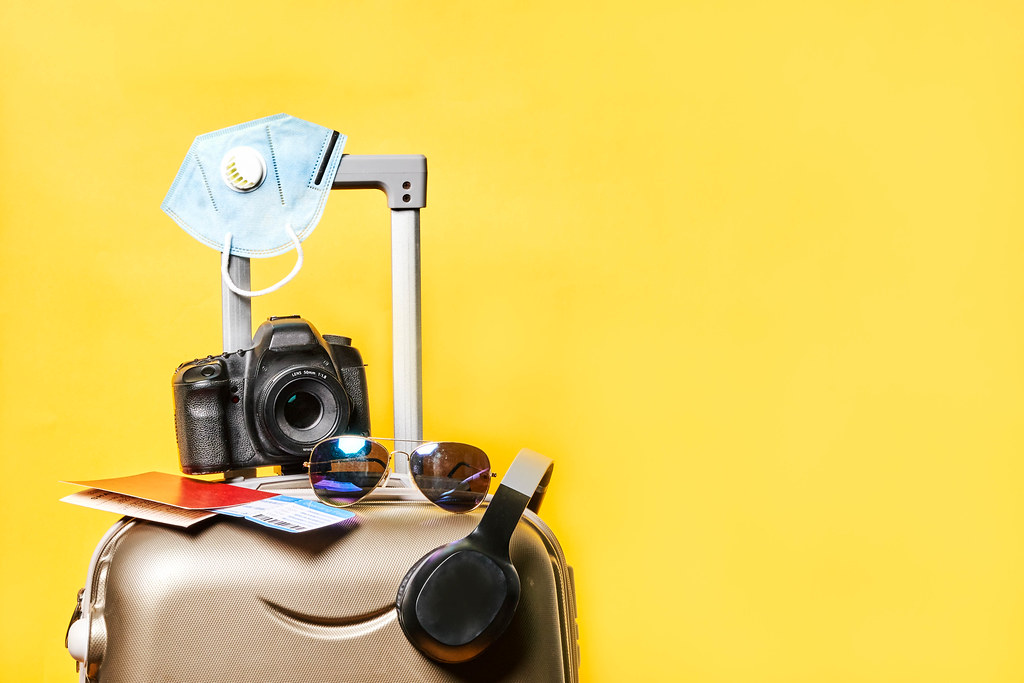
As most people keeping up with current events likely know, the pandemic is by no means over.
While the quarantine period of the first wave of the pandemic ended long ago, the pandemic is still raging even now, with variants like Delta and Omicron causing more damage at a faster rate than ever before. With the advent of an entirely new variant discovered in France, our initial hopes that the pandemic would be long gone in a couple of years seem to have been quashed.
However, it is equally true that, even as these new variations of the disease start to spread across the U.S., vaccines and booster shots have become much more available to the public, as well as tests for the disastrous disease. This is giving vaccinated folks enough courage to reclaim some small part of their pre-pandemic normal, with the rationale being they are as protected as they possibly can be. Not to mention the negative effects that have befallen most of us as a result of staying confined within our homes for over a year: from a drastic rise of mental illnesses to an all-new condition called pandemic brain.
It’s time to get out of the house, if only for a while, and you may be feeling a mixture of excitement and uncertainty as you plan your first post-pandemic vacation. That is completely normal: after so long of living under the conditions of the pandemic, it makes sense that you would be feeling a little trepidation at the thought of long-distance travel. But done correctly, you can vacation in a way that eliminates quite a bit of risk: if you’re up on your vaccinations, still willing to wear a mask, and careful about what you do and where you go, you can easily vacation in a way that limits your risk of exposure.
Let’s talk about what you need to do before you hit the road and some tips and trips you might want to keep in mind while traveling.
Keep Cleaning Materials on Hand
While you also shouldn’t neglect common travel essentials, like a passport, phone chargers, and hygiene products, you should be sure to bring along extra materials to help decrease your likelihood of catching the virus. Keeping pocket sanitizers handy, as well as disinfectant spray, cleaning wipes, and extra masks (both the cloth variety and more effective types), will help you be prepared for any eventuality on your vacation.
Make Sure Your Insurance is Current and Affordable
If planning a road trip or driving in new territory, you should endeavor to make sure your current insurance is paid up and has you covered in the event of an accident. Nothing is worse than getting into an accident in unfamiliar territory, then not being able to file a claim and recoup some of your damages or call your provider’s roadside assistance because your insurance has defaulted or doesn’t cover you well enough. If you find that your current insurance is lacking, don’t be afraid to compare the costs and benefits of different plans provided by different companies and get on a new plan before you hit the road.
Plan Activities Wisely
It’s doubtful that your vacation will be entirely risk-free, but you can choose to plan activities that are safer than others. Choosing to travel by car instead of by plane, for example, might limit your risk of being exposed to COVID, as you are unlikely to run into many strangers on a road trip, whereas on a plane, you’re stuck breathing everyone else’s air. When it comes to your tourist to-do list, choose predominantly outside activities or activities that have a strict “vaccination or test to enter” policy.
Keep An Eye Out For Other Hazards
The virus isn’t the only hazard you may encounter while on vacation, as car accidents, crime, and other common incidents that can occur on family vacations are still things worth thinking about. You can take some measures to limit your risk, such as researching the areas surrounding hotels you might wish to stay in or making sure you’re up on your insurance, but nothing beats good old-fashioned self-awareness while in an unfamiliar location. Follow best practices for keeping yourself and your assets safe, and you will have little to fear.
Staying safe on vacation has been made a little more complicated by the existence of Coronavirus, and if you aren’t vaccinated, it’s likely better to stay at home: however, it is possible to stay safe with the right amount of forethought and planning. If you’re going crazy from being cooped up in your house, now’s the time to get out. Just stay safe.