 There are millions of people dealing with drug problems around the world. A report from the United Nations shows that nearly 35 million people worldwide are dealing with substance abuse problems in one way or another. Unfortunately, not all of them can get the help that they need. Only 1 in 7 gets treatment.
So how do I know if I have a drug problem? Well, there are some clear signs you can look for to better understand addiction and what having a drug problem means.
What is classified as a Drug?
So, there are a lot of different definitions for this when it comes to addiction and substance abuse problems. For our purposes, we’re going to use any illicit substance, including legal things, like alcohol and cannabis.
Though those substances are legal, they still have a high potential for abuse.
Physical Addiction
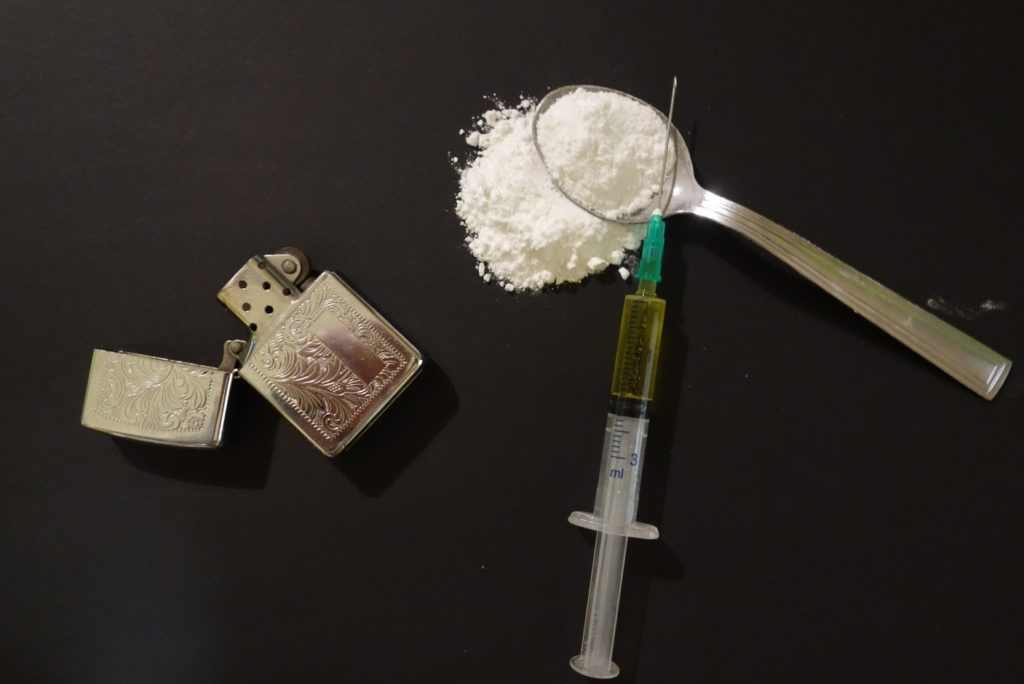
Some drugs run a higher risk of leaving a person dependent upon them than others. Look at the current worldwide opioid crisis. You can clearly see the dangers of opioids like Oxycodone, morphine, and heroin being a physical and chemical addiction.
Chemical dependence can show apparent signs on the body when the drug is not taken quickly enough. For example, suppose you’ve been a regular opioid user, and you just suddenly stop taking it. In that case, your body will go through a chemical withdrawal period. This can result in becoming physically ill, with symptoms ranging from vomiting to sweating all the way up to convulsions. The physical withdrawal period only lasts for a brief period, though those going through it feel like it’s significantly longer.
Physical withdrawal is miserable, and people often attempt to use again during the first portion of it just to avoid the pain and illness.
These physical processes are only one side of addiction.
Some of the signs of physical addiction include cravings. Cravings are difficult to ignore, and they aren’t just a fleeting thought about using a substance. They’re more like an itch that you can only scratch by using whatever drug it is you’ve been using.
Cravings are persistent and intense and are often described as becoming obsessed about the next high.
Aside from cravings and withdrawal, another primary concern with physical addiction is a person’s tolerance level. Our bodies build up a tolerance to almost everything we take. This can make us inclined to keep upping how much substance we need to get that rush or high. This is one of the more dangerous elements of physical addiction. It can be difficult to balance a dosage that keeps giving you the fix you need while avoiding an accidental overdose.
Eventually, combining these things will mean that your existence will revolve around figuring out where the next high is coming from. This is where the physical and mental sides of addiction begin to cross.
Mental Addiction
Addiction is a two-sided coin, the physical portion we discussed. Still, there is almost always a mental component that is just as difficult, if not more so, than the physical portion of addiction.
Some signs that you are struggling with a mental addiction include the obsession with chasing the high. Though there are physical portions of this, much of this part of the addiction is actually a mental state. You convince yourself that you just need a little and then a little more. Every day becomes a cycle of finding and using.
No Regard for the Cost
Though the actual financial cost can be devastating, that’s not the type we’re referring to. Instead, this is the point at which you’ve crossed into being a full-blown addict. Once you stop worrying about the consequences of what you’re doing to yourself and those around you.
Skipping paying the bills, stealing from family, friends, or strangers to make sure you can get high. At this stage, most people think they are still okay. They believe that they have control of the issue, and they’re just doing what they need to do to get through the day. Sadly, this is rarely the case. By the time it’s reached this point, it’s a severe addiction and will most likely cost the user
Hiding, New “Friends” and Changes in Behavior
If you’ve reached the point where you feel the need to hide your actions, then you deep down already know that you’re dealing with a drug problem. Otherwise, why would you be hiding it?
Usually, during this period, the group of friends you once had has faded into the past for several reasons. You’ve got a whole new set of “friends” who encourage and support your drug use because they are comprised of other drug users.
It’s more than likely that you’ve already done things that you’re ashamed of or thought that you would absolutely never do. Without help, there will eventually be nothing you won’t do to chase that high.
You’ve probably also noticed that your behavior has changed significantly at this point, including things like severe mood swings, especially when you’re coming down. Your life is likely beginning to spiral considerably out of control at this stage, and things that you once valued greatly seem to have no meaning.
What to Do Now
It’s critical that if any of this resonates with you, you seek help as soon as possible. It may be difficult to admit to yourself that you are dealing with a drug problem. Still, by even asking the question, you’ve taken the first step on the road to recovery. If you admit that you have a problem, you can overcome that problem with the right help. You’re not alone. More people than you realize are dealing with these same issues. There are professional services like residential treatment facilities available to help you on your journey to overcoming your addiction. Don’t wait until you reach rock bottom. Reach out for help with your addiction today.