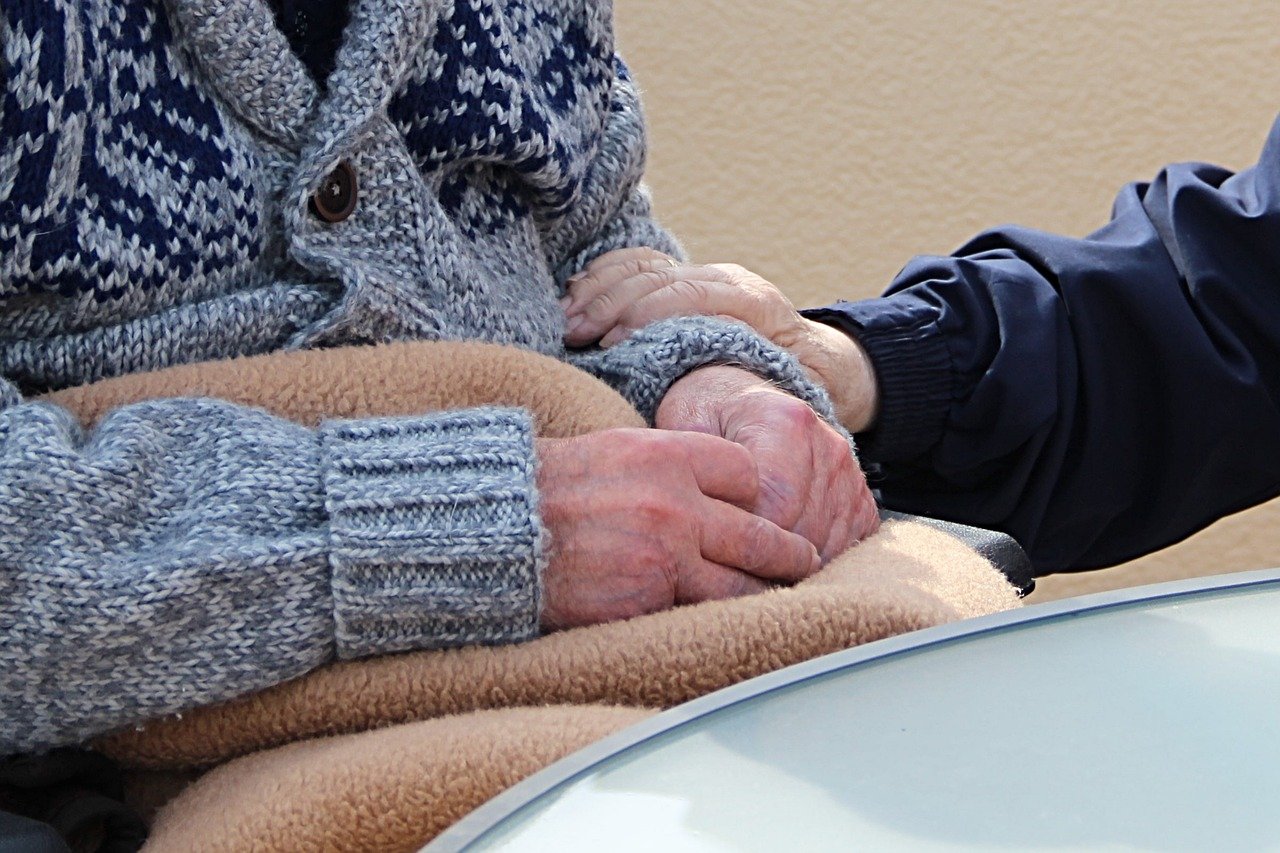
You entrust your loved one’s wellbeing and safety to a nursing facility, knowing that they are receiving the best possible care. You get a call unexpectedly alerting you that they’ve fallen and shattered their hip. Your dear one was taken by ambulance from the nursing home to the hospital, and the fracture necessitates surgery. During the long and arduous recovery process following various fall injuries in nursing homes, your heart experiences anguish.
Despite following all of the doctor’s instructions and completing the therapies and treatment, they are not as fit as they once were. You’re naturally concerned about the way the elderly may fall and injure themselves in the care homes. You get eager to know how your relative falls while in long-term care. Is this a symptom of carelessness or abuse?
Occurrences are common but can be avoided
There may be accidental falls for which the nursing staff are not responsible but many of them are caused by mistakes committed by nursing home workers. Below we have shared some factors and statistics about nursing home fall injuries.
The most prevalent cause of falls among the elderly is injury from a fall, which accounts for 36% of potentially needless hospital emergency room visits by nursing home residents. In a normal 100-bed care facility, at least 200 incidences of falls occur each year. Remember, these are only the figures that have been registered in the record.
Around 1,800 elderly residents die each year as a consequence of fall-related injuries, with some of these deaths being unjust.
Nursing home residents, aged 65 and over, are four times more likely than those who live at home or with family to die from fall-related injuries.
Nursing home patients die at a rate of up to 75% each year. This is about twice as high as the rate among seniors who do not reside in nursing homes. More than a third of all fall-related injuries are caused by residents who are unable to walk.
How can a fall impact the life of a nursing home resident?
A fall may flip a senior’s life completely upside down. A fall can result in a variety of negative consequences, including:
- A fall can impair a person’s capacity to move about and be self-sufficient.
- A quad cane, walker, or wheelchair may be required to transport a person who can walk independently. As a result of their dread, they may become less active.
- A person may hurt their hip, leg or other bones may be shattered as a result of a fall.
- If they try to stop their fall, they risk breaking an arm or wrist. If they hit their head on the floor or during the fall, they may suffer a head injury, which might include traumatic brain damage.
- For the older patient, a fall may require surgery.
Surgery puts a nursing home resident at risk for issues including surgical infections and blood clots.
Physical treatment is time-consuming and recovery is challenging
Children recover quickly from traumas, however, adults take much longer to recuperate. When a nursing home person falls and has a major injury, they nearly always require physical therapy to recover.
The ability to move about is limited
A person with less activity is more prone to develop bedsores, pneumonia, and other health issues. Because the patient will be in bed for a longer period of time than usual while healing from surgery and injuries, hospital and nursing staff will need to be prepared.
They may live a life of excruciating pain
An old person may be in excruciating agony, long after the wounds healed. After a major fall injury, your loved one may be in agony for the rest of their life.
What must you do if your elderly relative sustained an injury in a nursing home?
First and foremost, get medical assistance as soon as possible. There is a possibility that they have severe injuries but without external symptoms or bleeding.
Second, speak with the nursing unit authority to learn more about how the accident occurred so that it does not happen to your relative or anybody else in the future.
Third, make a report of the injuries to the nursing home. The governing and regulatory bodies need to know about the ongoing negligence in nursing homes. When a care facility has a high number of these instances, this should be reported to the respective government agencies and they can look into it to protect the residents from any kind of abuse or negligence.
Fourth, consult with a fall injury attorney so that you get justice and receive the compensation your relative deserves as lots of money would be spent on medical costs, decreased mobility, besides the pain and suffering as a result of a nursing home fall.