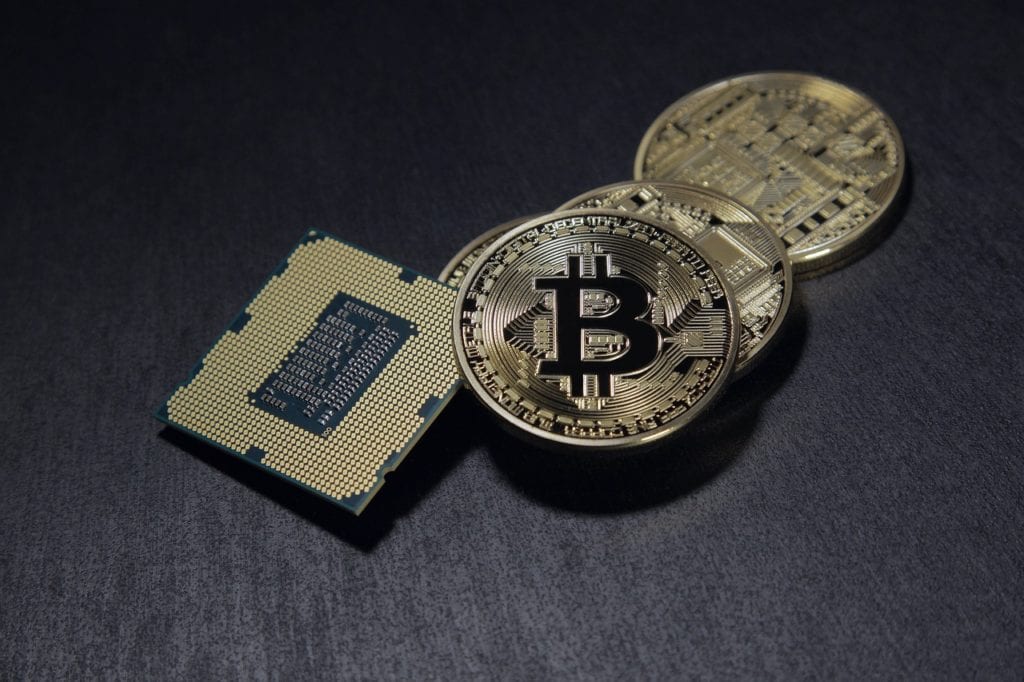
 The rise of cryptocurrencies has been rapid, especially in the post-COVID-19 era, when customers are looking for more frictionless solutions. According to a 2020 research, bitcoin is accepted by 38 percent of small-medium firms in the United States.
A rising group of shareholders has embraced bitcoin as a viable alternative to other assets, and more businesses have begun to accept bitcoin, including Microsoft, Overstock, Home Depot, and Whole Foods. PayPal declared in October 2020 that cryptocurrency exchanges would be available on its 350 million-strong platform, demonstrating the industry’s continuous mainstreaming. The desire for cashless dining experiences is also high.
According to Piplay research, 51 percent of People reported their preference for touchless technology increased dramatically of COVID-19, and Gartner expects that by 2024, 80% of the order, checkout, and banking services would be cashless. However, there are several drawbacks to utilizing cryptocurrency.
Since bitcoin is classified as property by the Internal Revenue Service, spending it is virtually the same as selling it, and someone purchasing with cryptocurrency may face personal income taxes at the time of transfer. Golden Profit are interested in the Anon System these days.
What is the Best Way to Buy Groceries with Bitcoin?
Digital currencies can be used to purchase food. Although a few grocery stores and restaurant franchises accept bitcoin to pay for groceries or pizza, purchasing food with bitcoin is nearly difficult. Many of them still refuse to accept bitcoin and other cryptocurrencies as payment methods, therefore using bitcoin and other cryptocurrencies for food needs is still challenging. However, there is indeed a way to buy groceries with cryptocurrency. The key is to purchase gift cards. one can learn how to use bitcoin to get pizza from Domino’s, take a break with a coffee and sweet from Dunkin’ Donuts, and so on.
How Much do Bitcoin and Blockchain Mean for the Food Industry?
Some optimist tech prospectors believe that blockchain and bitcoin technology has the potential to alter the whole food business by enhancing efficiency, transparency, and collaboration throughout the food system. On the Bitcoin blockchain, computers are effectively racing to perform a calculation properly, with the winner receiving a unit of money and a block of data being uploaded to the network. Bitcoin has a high energy expense due to a large number of computer systems on the blockchain, a trait that would be counterproductive in the agricultural space, as farmers need to produce more while using fewer resources.
What are bitcoin’s advantages in the restaurant industry?
Bitcoin can be utilized in the food sector since it is basically about assisting in the management of the agricultural system, which is a chain, or group of connected chains, known as the blockchain. There are many players in that chain: there are suppliers that provide the food, and there may be aggregators, retailers, and people selling the food at the end, but it’s all about the production process.
Cryptocurrency-Accepting Restaurants
While not every restaurant in your area takes Bitcoin or Litecoin as a form of payment, there are plenty that does. According to recent figures, more than 15,000 eateries in France accept bitcoin payments. It merely makes up a minor portion of France’s general population. As we expand our search radius, we’ll find a plethora of Bitcoin-accepting meal delivery businesses. In addition, several stand-alone restaurants, including Starbucks and Subway, accept cryptocurrency as payment. However, in the vast majority of situations, these establishments use online payments to take Bitcoin and a few other prominent cryptocurrencies.
There are not many financial advantages to taking bitcoin in a restaurant right now. That isn’t to say there aren’t some advantages.
Conclusion
If someone is a proponent of the currency, it may be worthwhile for someone like him to accept it to demonstrate that businesses are prepared to embrace bitcoin as a payment option. Someone might also draw additional bitcoin enthusiasts as new clients, consumers who would not have previously considered patronizing their eatery. It can also serve as a distinction among competitors, giving the impression to prospective customers that his business is forward-thinking and technologically competent.