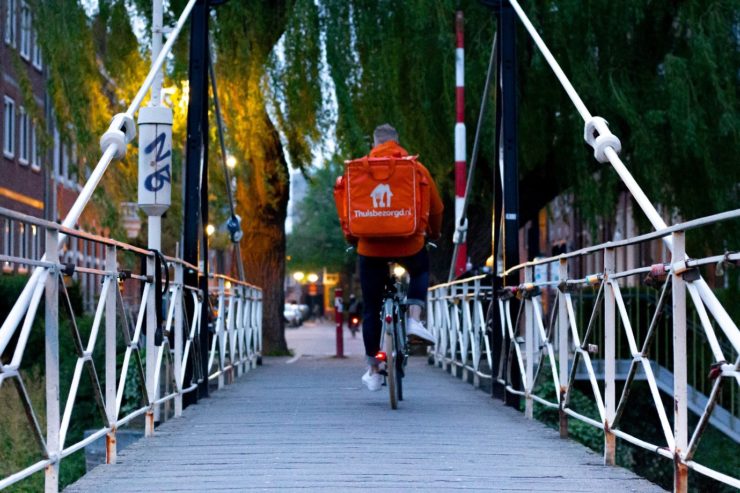
 Over the past 12 months, Covid-19 has caused many businesses and industries to adapt and change with the times to keep working as efficiently as possible. Here’s how the pandemic has affected the way that delivery jobs are carried out.
More home deliveries
Due to many people staying at home, either on furlough or working from home where possible, more home deliveries have been made during the last 12 months due to those being unable to go out and shop.
During lockdown periods where retail was closed, online shopping was the only option for many to get non-essentials to their front door. This resulted in an influx in home deliveries which is set to stay as online spending in households has steadily increased.
Less traffic on the roads
Whilst in these lockdown periods, the roads have been much quieter with less people driving on them. This caused a decreased amount of traffic and, with the roads being clearer, delivery drivers were able to make more drop offs per day to keep up with the increased demand.
This saw many home deliveries being offered on a ‘next day arrival’ basis. Online retail giants like Amazon saw many customers using their services during this time due to the promise of next day Prime Delivery.
Increased PPE
Typically, a delivery driver will be wearing some form of PPE to perform their jobs correctly. This normally includes heavy duty work boots, work gloves for better grip, and a high visibility jacket.
However, during the Covid-19 pandemic delivery drivers would also be required to wear face masks or visors and regularly sanitise along with adhering to social distancing measures when dropping off parcels to their customers.
Supply issues
Covid-19 lead to every item posted being thoroughly sanitised and sometimes quarantined for several days until it could move further along the supply chain.
Alongside Covid-19, British companies that import their supplies may have been affected by Brexit. This can cause a long delay in the parcels being shipped, or what they can receive. These delays can affect every stage of the supply chain, leaving delivery drivers unable to complete some jobs on time.
Other issues
Besides all these changes delivery businesses needed to adapt to, they also needed to get supply themselves with the right equipment such as more vans or cars to keep up with the influx of deliverable goods. They also would need the right insurance for these vehicles.
A good option for these types of businesses is to get a GAP insurance – this refers to the gap between the amount your insurer pays you in the event of an accident and the amount you actually paid for the car. Given the fact that a new car’s value drops by around a third as soon as it leaves the forecourt, it’s obviously an option that makes more sense for those businesses looking at buying brand-new vehicles.