 Across Texas, thousands of men are dealing with a condition they rarely talk about. It is not life-threatening, but it can deeply affect a person’s self-image and confidence. That condition is gynecomastia, the benign enlargement of male breast tissue.
Though it may not often make headlines, gynecomastia is incredibly common. It affects teenagers going through puberty, adult men experiencing hormonal changes, and even older individuals whose bodies are shifting with age.
In a state like Texas, where warm weather and outdoor activities are part of everyday life, this can be especially difficult for those who feel uncomfortable taking off their shirts or wearing fitted clothing.
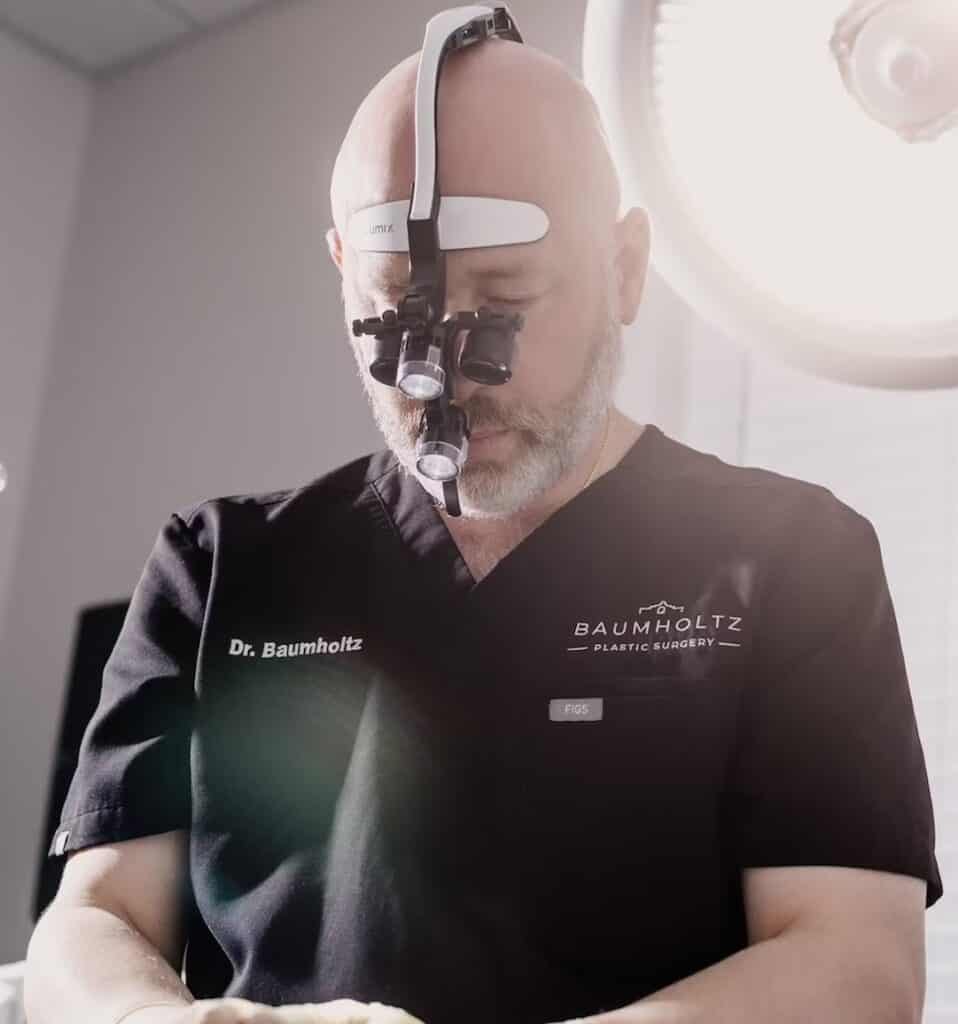
Thankfully, there is now a resource for those who need gynecomastia surgery in San Antonio. The San Antonio Gynecomastia Center was founded to provide specialized care in a supportive, judgment-free environment. Leading the center is Dr. Baumholtz, a board-certified plastic surgeon with years of experience in male chest contouring. His mission is simple: to help men across Texas feel comfortable and confident in their own bodies again.
We sat down with Dr. Baumholtz and his team to learn more about gynecomastia, why this specialized clinic was created, and how it is making a difference for men throughout the region.
Q: What exactly is gynecomastia, and how common is it?
A: Gynecomastia is the development of excess breast tissue in males. It is different from general chest fat and often results from hormonal imbalances, medication side effects, or underlying health conditions. In some cases, the exact cause is never known.
What surprises many people is just how common it is. Up to 70 percent of teenage boys experience some form of gynecomastia during puberty. Among adult men, the condition can persist or even appear later in life. For some, it improves with time or lifestyle changes. For others, it becomes a source of lasting discomfort.
Q: Why did you open the San Antonio Gynecomastia Center?
A: After years in private practice, I noticed a pattern. Men with gynecomastia were showing up in large numbers, often after trying to get help elsewhere without much success. Many felt overlooked or misunderstood. Gynecomastia is not always taken seriously in general practice, and it is not something most patients feel comfortable discussing openly.
That is what inspired me to create a space focusing more on this one issue. At the San Antonio Gynecomastia Center, we offer expert diagnosis, compassionate care, and surgical solutions that are specifically designed for this condition.
Q: Who is the ideal candidate for gynecomastia surgery?
A: We see a wide range of patients. Some are young men who have struggled with this since their teens. Others are older and finally ready to make a change after years of discomfort.
The ideal candidate is someone who has stable physical health, realistic expectations, and persistent breast tissue that has not responded to weight loss or medical treatment.
More importantly, they are someone who is ready to feel better about themselves. This procedure is not just physical. It can have a major emotional impact, helping patients regain confidence and enjoy social situations again.
Q: What emotional toll does gynecomastia take on patients?
A: For many men, the impact goes far beyond appearance. Some avoid the beach or gym. Others wear baggy clothes year-round just to hide their chest. I have had patients tell me they have not removed their shirt in public for over a decade.
Gynecomastia can lead to low self-esteem, social anxiety, and even depression. That is why treatment can be so powerful. It is not just about changing a body part. It is about restoring a sense of normalcy and comfort in everyday life.
Q: Are you seeing more patients from areas outside San Antonio, like Katy or Houston?
A: Yes, absolutely. We regularly welcome patients from all over Texas, including Katy, Houston, Austin, and even smaller towns. Many of these men are looking for a center that truly understands this condition and has the experience to treat it properly. For them, it is worth traveling a few hours to get the right care.
We also make the process convenient with virtual consultations, streamlined scheduling, and recovery plans that consider long-distance patients.
Q: What does the recovery process look like for a typical patient?
A: Most patients go home the same day of surgery. We recommend wearing a compression garment to help reduce swelling and support healing. Light activity can resume within a few days, and most people are back to school or work in under a week.
Strenuous exercise should wait a few weeks, especially anything involving the chest muscles. We guide every patient through the process and follow up closely to ensure everything is healing well.
Q: How do you help patients who feel embarrassed or anxious about seeking treatment?
A: That is one of the most common barriers we see. Men often feel ashamed or if they are the only one dealing with this. We work hard to make our clinic feel private, respectful, and welcoming. Our team understands the sensitivity of the topic and makes sure every conversation is handled with care.
Many patients tell us they felt relieved after just the first consultation. Sometimes being heard and understood is the biggest step toward healing.
Q: What should a parent do if their teenage son is developing gynecomastia?
A: This is more common than most parents realize. Puberty-related gynecomastia is usually temporary, but it is still emotionally difficult. If the condition lasts more than a year or seems to be getting worse, it is worth scheduling a consultation.
We take a very conservative and thoughtful approach with younger patients. Sometimes reassurance and monitoring is enough. Other times, early intervention can prevent years of emotional distress
Q: What is one thing you wish more Texans knew about gynecomastia?
A: I wish more people knew that this is a medical condition, not a personal failure. It does not mean someone is overweight or unhealthy. It is a real and treatable issue, and no one should feel ashamed about addressing it.
We are here to help, not to judge. Whether you are from San Antonio, Katy, or anywhere in between, there is a solution available. You just have to take that first step.
Final Thoughts
Gynecomastia can feel isolating, but it is far more common than most people think. Whether you are a teenager, an adult, or a parent seeking answers, know that help is available.
The San Antonio Gynecomastia Center offers a safe, professional space to explore your options and find long-term solutions. For men across Texas from Katy to San Antonio and beyond, this could be the first step toward feeling like yourself again.