 Discover how to leverage innovative design thinking to craft effective solutions that drive success and innovation.
In an age where creativity and innovation are at the forefront of business success, design thinking has emerged as a powerful approach to problem-solving and generating groundbreaking solutions.
This human-centered methodology goes beyond traditional boundaries, encouraging us to explore, question, and innovate in ways that lead to impactful and sustainable outcomes.
Integrating innovative design thinking with enterprise risk management (ERM) presents a unique opportunity for businesses to anticipate, identify, and mitigate risks in a proactive and creative manner.
By applying design thinking principles to ERM, organizations can transform their approach to risk, turning potential challenges into opportunities for growth and innovation.
This synergy encourages a culture of continuous improvement, where risks are not just managed but are explored as avenues to further solidify the company’s resilience and adaptability in a rapidly changing business landscape.
Understanding Design Thinking
Design thinking is a non-linear, iterative process that teams use to understand users, challenge assumptions, redefine problems, and create innovative solutions to prototype and test. It involves five phases—Empathize, Define, Ideate, Prototype, and Test—but does not necessarily follow any order, allowing for flexibility and adaptability throughout the problem-solving process.
Empathize with Your Users
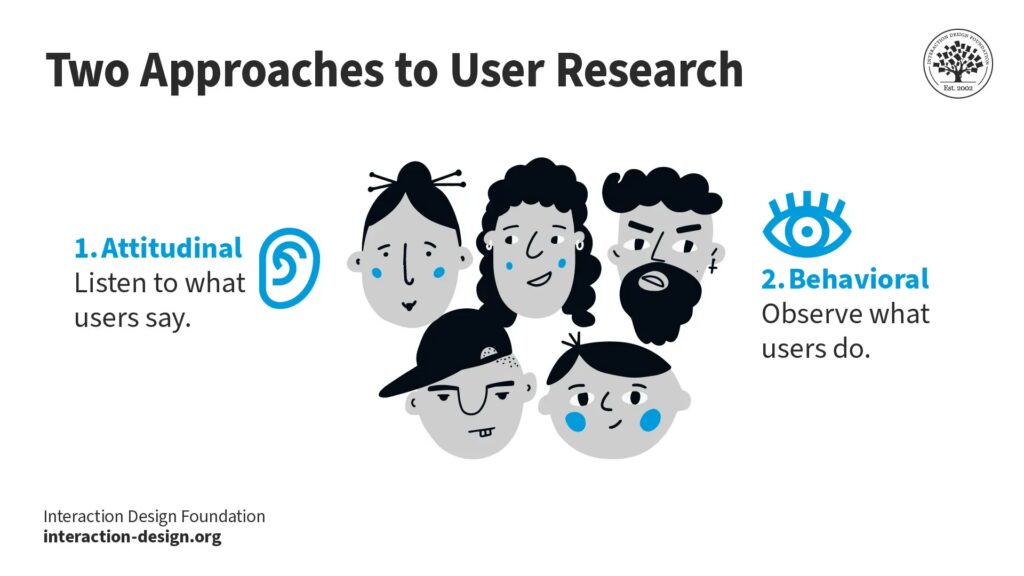
The first step in the design thinking process is to empathize with your target audience. This involves understanding their needs, desires, and experiences. By putting yourself in their shoes, you can gain insights into their challenges and motivations, which serves as a foundation for innovative solutions.
Define the Problem
Once you have a deep understanding of your users, the next step is to clearly define the problem you are trying to solve. This phase focuses on framing the problem in a human-centric manner, ensuring that the solution will be tailored to the needs of the users rather than based on technological capabilities or business requirements alone.
Ideate and Explore Possibilities
With a clear problem definition in hand, it’s time to start generating ideas. The ideation phase encourages divergent thinking, allowing for a broad exploration of possibilities, regardless of feasibility. Techniques such as brainstorming, mind mapping, and sketching are commonly used to stimulate creative thinking and uncover unexpected solutions.
Prototype to Learn
Prototyping is about bringing ideas to life through rapid, low-fidelity mockups that can be shared and tested with users. This tangible representation of ideas allows teams to explore the viability of their solutions and gather feedback early in the process. Prototyping is not about creating a perfect solution but rather learning and iterating based on real user interactions.
Test and Iterate
The final phase involves testing the prototypes with actual users to evaluate their effectiveness. This is a critical step for gathering insights and identifying areas for improvement. The design thinking process is iterative, meaning that the insights gathered during the testing phase are used to refine solutions and further explore the problem space.
Benefits of Innovative Design Thinking
Adopting an innovative design thinking approach offers several benefits:
- Enhances User Experience: By focusing on the needs and experiences of users, solutions are more likely to be user-friendly, intuitive, and impactful.
- Fosters Collaboration and Inclusivity: Design thinking encourages collaboration across disciplines, bringing together diverse perspectives and skills to tackle complex problems.
- Encourages Experimentation: The iterative nature of design thinking promotes experimentation and learning, reducing the fear of failure and encouraging bold innovation.
- Drives Business Value: Solutions developed through design thinking are often more aligned with market needs, leading to higher customer satisfaction and competitive advantage.
Applying Design Thinking in Your Organization
To integrate design thinking into your organization, consider the following steps:
- Foster a Culture of Empathy: Encourage your team to adopt a user-first mindset, prioritizing the needs and experiences of your customers in all decision-making processes.
- Promote Interdisciplinary Collaboration: Break down silos by forming cross-functional teams that can bring diverse perspectives to the table.
- Create Prototyping Spaces: Provide resources and spaces where teams can quickly prototype and test their ideas without fear of failure.
- Encourage Iterative Learning: Cultivate an environment where feedback is valued and used constructively to refine and improve solutions.
Conclusion
Innovative design thinking offers a robust framework for solving complex problems in a user-centered, creative, and effective manner. By adopting this approach, organizations can unlock new opportunities, foster a culture of innovation, and create solutions that genuinely resonate with their users.
The key lies in understanding the needs of your users, continuously iterating based on feedback, and being willing to take bold risks in the pursuit of excellence. In doing so, we can craft effective solutions that not only meet the immediate needs of our users but also pave the way for future innovation and growth.