 Photo by Terrance Barksdale
Texas is one of the most business-friendly states in the country due to the absence of corporate and personal state tax, as well as a reasonable regulatory environment. However, like most states, businesses are exposed to several risks that can significantly damage their finances and reputation. These threats range from theft to violence and vandalism to data breaches. In this article, we will explore the options Texas businesses can take to protect themselves against these risks.
#1 Multi-factor authentication is reinforcing access control systems
Access control systems allow businesses to ensure that only authorized personnel can enter the premises or specific areas. Traditional access control measures involve using locks, keypads, and card readers, while more modern solutions include facial and voice recognition technologies. Many Texas businesses now use multi-factor authentication (MFA) procedures to protect areas that store particularly sensitive items or data. MFA involves using two or more authentication factors to access the area. For example, an employee requesting access may be asked to provide a PIN and then pass a biometric scan.
#2 Video Analytics Allows Businesses to Prevent Undesirable Events
Commercial, industrial, or office building video camera security is a crucial component of a company’s security strategy. It’s important for businesses to choose the right cameras for their needs and place them strategically across the premises, including the outdoor areas. One of the most recent developments in this field is the spread of video analytics software. This technology works by analyzing large volumes of data to identify irregular patterns that may indicate suspicious activities. This triggers an automatic reaction and allows problems to be neutralized before they can result in financial or physical damage.
#3 Cloud-based security systems allow remote monitoring of the premises
Another important security development is the increasing use of cloud-based solutions. Their benefits include improved scalability, lower costs, and the possibility for security staff to monitor the premises from any location and device with internet access. For example, a cloud-based video security system allows personnel to watch live video footage remotely, which reduces the need for 24/7 on-site staff. The same goes for access control solutions. It’s now possible for security managers to control from a distance who is requesting access and decide whether or not to grant permission from their laptops or computers.
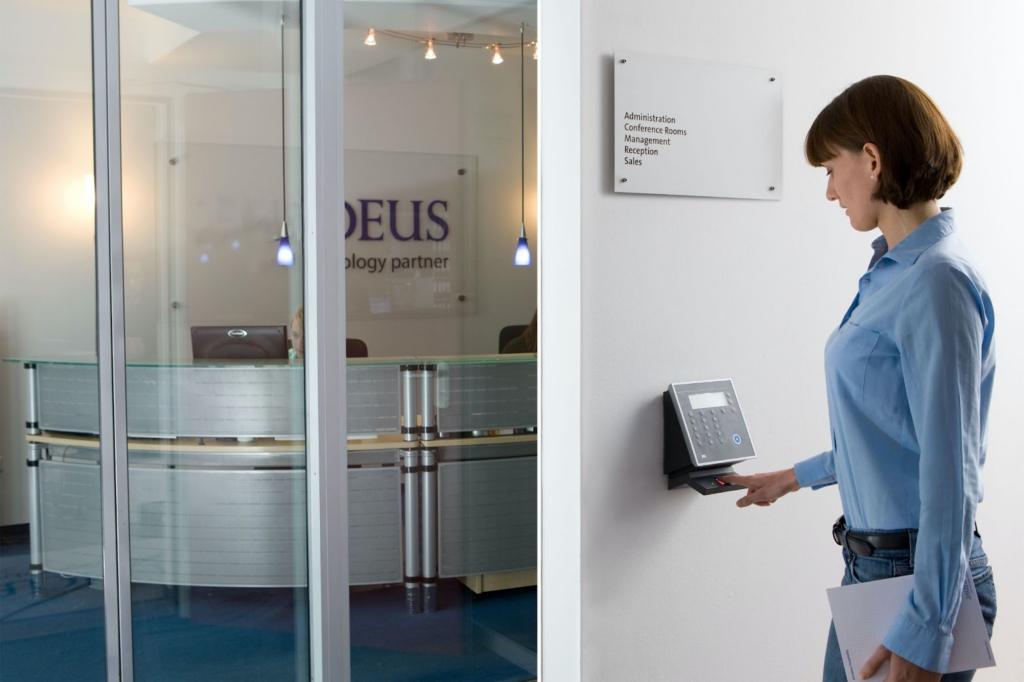
Photo by Susanne Plank
#4 Businesses Are Training Employees on Cybersecurity threats and procedures
Cybersecurity is another area in which businesses in Texas are investing. Each organization currently experiences around 130 cybersecurity breaches per year, and half of these attacks are against small businesses. Training employees is crucial for companies to counter these threats. Workers should know how to set up strong passwords, use encryption technologies and identify malicious links or emails that hackers may use to access the company’s data or damage systems with viruses and malware. Cybersecurity courses should be offered both in the onboarding stage and as regular refreshers.