Although they take distinct techniques, hotels and retail stores both strive for inexpensive linens. In contrast to retailers, who normally prioritize thread counts and the material used and subsequently assume that a greater thread count indicates better quality, hotels typically emphasize quality at a reasonable price and the life of the sheets.
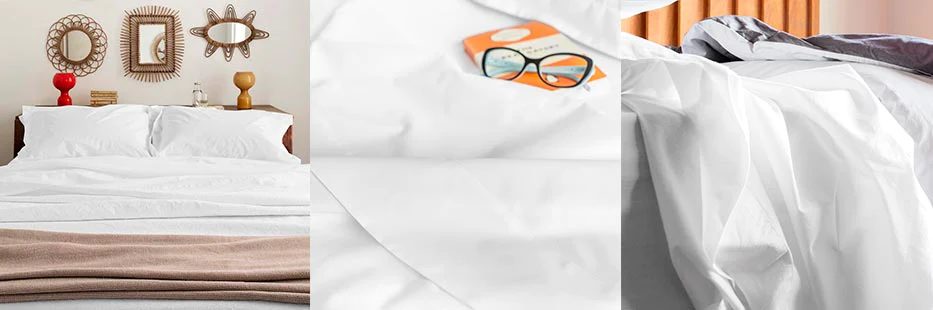 Retail Approach and Hotel Approach | How do they differ?
The problem with the retail strategy is that thread count doesn’t really indicate quality. The production process and cotton’s quality are what define quality. The inability to obtain affordable good quality and thread count sheets is a major issue with prioritizing thread count, though. That being the case, why is that? Due to the scarcity and high cost of high grade cotton, sheets with more threads, more cotton, and more cotton are more expensive.
As a result, there isn’t much you can do but sacrifice on quality someplace if you want to sell high thread count sheet sets at a reasonable price. And that is what stores frequently sell—medium to low-quality sheets with a high thread count.
The commercial world seeks reasonable quality at an affordable price. Additionally, because high-quality cotton is not inexpensive, hotels that value quality are forced to use less cotton, which results in fewer threads. In order to get the quality they require at a reasonable price, hotels often use thread counts of 200 or 250. Less cotton equals fewer threads, which equals more reasonably priced quality.
So, what’s the difference?
Hotel sheets won’t have the same texture as sheets used in retail stores. Hotel linen is instantly noticeable to be crisper, heavier, and thicker. This is so that it can endure heavier use and washing due to the thicker thread or weave.
Retail linen and hotel linen are fundamentally different in that the latter is designed with durability in mind. Hotel linen must resist years of use, frequent use, and regular cleaning.
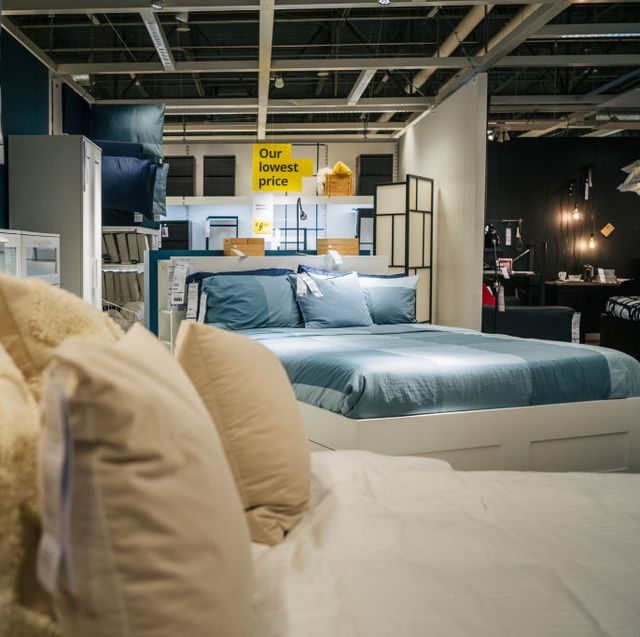 What role does thread count play?
Despite popular belief, higher thread counts do not necessarily translate into superior quality. Multiple threads can be twisted together to increase the thread count without affecting the fabric’s actual quality. Similar to this, you can maintain a lower thread count while boosting the quality of the sheets by using thicker threads. The sheet’s quality is influenced by its fiber, size, and finishing.
HOW DO HOTEL SHEETS FEEL TO THE TOUCH?
A decent hotel comforter and sheet has a lovely crisp feel to it, partly because of the percale weave used to produce it but also due to the standard of the production process. If you’ve ever snuggled into a hotel bed and enjoyed the crisp feel of the linens, you’re probably experiencing the crisp feel of a good-quality, low-thread-count percale sheet, which is usually 250 threads.
Percale weave is typically used in commercial sheets because, on average, it is stronger, sheds less, and lasts longer than sateen. The sateen weave, in contrast, is a closed weave that traps heat.
What qualities ought to commercial bed linen have?
You should consider the weight of the sheets in addition to the thread count when evaluating hotel bedding. A decent commercial sheet should weigh 160 to 180 grams per square meter (gsm). By doing this, it will be able to withstand several washings and keep its shape.
All of the commercial wholesale bedding that DZEE Textiles carries is made specifically for the hospitality sector, so it is strong and withstands numerous washings. A hotel with a high turnover rate might anticipate that their linen will survive for at least 4-5 years before showing signs of deterioration.