 Warehouses have often been busier than ever in recent years. Due to a combination of international events, the demands of local and international trade, and the rise of online shopping and the need to move supply chains securely and quickly, the needs for warehouse safety have never been more important.
Keeping on top of and improving warehouse safety is a constant task for workers and managers, which should be considered as an integral part of their job and not just an addon task.
Here are 10 tips, that businesses should already be doing, to keep warehouse safety at the top of the agenda, and to even improve it this winter.
-
Effective PPE policy
All workers should be aware of the relevant policy for the warehouse with regards to PPE (Personal Protective Equipment). They should know what they need to wear in different parts of the warehouse, how they need to wear it, and the consequences of doing so. Protecting warehouse workers is one of the most vital parts of warehouse safety, and it starts with responsible behavior from workers.
-
Designated Smoking Area
Although fewer people smoke than in the past, there is still a large part of the population that does so. For any business that has designated smoking areas and shelters, where they are located is very important. Designated smoking areas should be contained a considerable distance away from where any flammable gases or liquids or stored, and businesses should be aware of the possibility of invisible fumes.
-
Traffic Management System
Warehouses can be dangerous places due to the combination of pedestrian workers and vehicles moving around, causing the potential for accident, injury and lost productivity. A traffic management system will help this problem considerably. Designated lanes for pedestrians and vehicles, much like on public roads, could help to keep accidents from happening by separating vehicles from pedestrians and limiting the number of shared areas and potential for accidents.
-
Fire Wardens
Every warehouse should have workers, or management, who are trained as Fire Wardens. Although everyone in a warehouse should at least have some basic training in fire prevention and management, it is important to have key staff trained that can help to limit the spread of a fire at its source or help in the evacuation of workers from the premise should a fire occur. At least one of these Fire Wardens should be always on shift.
-
First Aid Officers
As with Fire Wardens, every warehouse should have designated and trained First Aid Officers, at least one of whom should be always on shift (and possibly more depending on the size of the warehouse) should incidents occur. Such First Aid Officers should be trained not just in general first aid but also the specifics of the business where they work, which could involve an awareness of hazardous chemicals or falls, depending on the particular risk of that warehouse.
-
First Aid Stations
These First Aid Officers, and other worker within the warehouse, should be aware of the location of First Aid Stations throughout the warehouse. These should be equipped with a wide range of resources (bandages, plasters etc.) for treating the most common injuries that can occur within the warehouse. It will often be appropriate to also have eye wash stations as part of the resources available. These should be checked regularly to check for used resources and topped up where necessary.
-
Effective Signage
Signage is a vital part of warehouse management that is often underappreciated. Signage that is clear and with a dedicated focus on safety will help workers to stay safe and for the warehouse to keep flowing smoothly. Much signage in warehouses is designated by law, and easily available from a number of suppliers. Signage helps to remind workers about issues such health & safety, traffic management, and the location of key items and personnel. Good, clear signs act as a constant reminder to workers
-
Shelving and Racking Safety
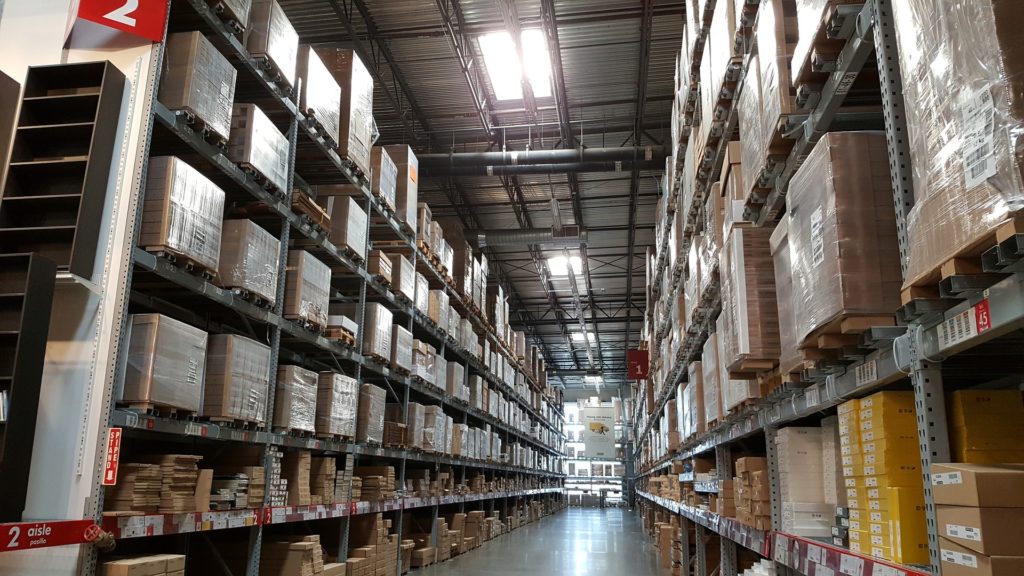
Warehouses needs to be well-designed in terms of the storage of goods and items. A vital part of this process is shelving and racking safety. Many different shelving and racking products are available, and it is important that the right products are obtained for what will be stored in the warehouse. It is equally important that staff are trained and aware of correct procedures for storing and stacking products as well as retrieving them safely, either by hand or using machinery.
-
Regular Retraining and Refreshing
Although it is important to train people with regards to warehouse safety and health & safety procedures, refresher training is just as important. Everyone over time can become slack about safety, particularly if there has not been an incident. However, refresher training can regularly remind and refresh workers about the need for safety, minimizing the risk of injury through negligence. Refreshing and retraining sessions can also fulfil the important role of pushing out new updates or new procedures.
-
Staying Tidy & Clean
One of the most important parts of warehouse safety, in which everyone is involved, is in keeping the warehouse tidy and clean. A place for everything and everything in its place is a mantra that has been known for many years and is very true in a warehouse to maintain order and structure. It is also vitally important to keep the warehouse clean, especially in terms of reporting and clearing any spillages or accidents as soon as they occur, marking the area with signs whilst waiting for it to be cleaned in order to avoid accident or incident.
Conclusion
This list of 10 tips in order to improve warehouse safety has barely scratched the surface of what is a serious consideration for any business that offers a warehouse as part of its plant. However, by following the tips here, any business can ensure that over this winter it improves the safety of its workers as well as the productivity of the business.