How popular and massive are the casinos on reservation lands? Do winnings and payouts differ from casinos in Las Vegas? Do the winners pay taxes? Now that gambling houses are constantly popping up on Native American lands, most USA state already have such a specific casino. Some states have a lot of them, topping with 113 in Oklahoma. There are 10 facts you may want to know about tribal casinos.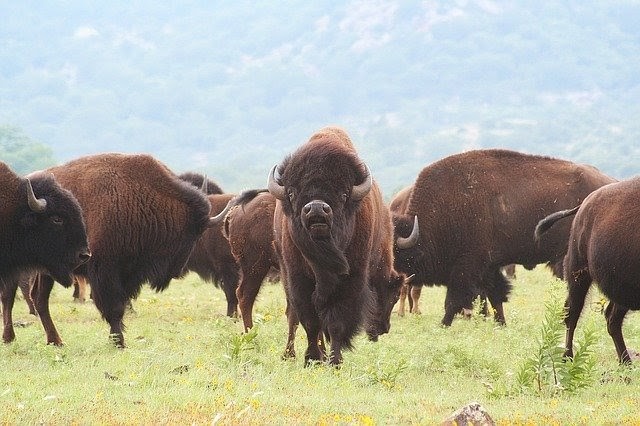
- Their profits are greater than those of Vegas
By the time of 2017, yearly local casinos profits were at $32.4 billion. That’s a 3.9% rise over 2016. Just to compare, total Las Vegas Strip profits were at $17.8 billion, and that includes payments for expensive hotel stays, food and drinks. If you count gaming alone, however, Las Vegas only made $6 billion in 2017.
People like to attend Las Vegas while on vacation and leave a lot of money here. But Indian casinos are popular all year long, not just during the vacation season. That’s why their total gain for the year is much higher. Although you should subtract employee salaries and managerial expenses from this $32.4 billion figure.
- They are much more massive in size than Las Vegas counterparts
When you come to Las Vegas for the first time, you are impressed by the size of the gambling houses. You may wonder if these are the most massive ones in the United States. Surprisingly, they are not.
The most colossal casino of the United States is the WinStar World Casino And Resort. It is located in the town of Thackerville, Oklahoma. It is followed by another tribal one, Foxwoods Resort Casino. Only in third place comes the MGM Grand from Las Vegas. Surely, in terms of overall size (counting the hotel rooms and other non-gambling features) the MGM Grand would be the largest. But in terms of square footage devoted exclusively to gambling area, Vegas’ casino is strongly inferior to the tribal ones.
- There are no common regulations at tribal casinos
Contrasting with Las Vegas, Indian casinos are not regulated on a general basis. Each gambling house establishes its own payout percentages. In addition, there are no regulations on the transparency of how these percentages are displayed to the player base.
It would seem that with such freedom of action, Indian casinos are tighter on customers than their Vegas counterparts. But it’s not at all true. Since each local casino follows its own set of rules, some even offer more liberal odds than the Strip. There is also a general trend. The slot machines at local casinos are more tight in terms of payouts than on the Strip, but the table games are generally looser. By the way, you can feel all the Native American spirit by playing free buffalo slots.
- Tribal casinos have a totally different vibe
On reservations, just like in Vegas, visitors are often offered free stay, food, and drinks. But despite similar privileges for gamblers, there’s quite a difference in the way you’re treated.
Although casino policies in Vegas and on Indian lands are often similar, the common experience of visiting both types of casinos vastly differs. So does the customer base. People come to Las Vegas from all over the globe, and they are willing to spend a lot and enjoy their vacation to the fullest. Meanwhile, Native American casinos are often visited by locals who live practically next door. That’s why the atmosphere here isn’t as exciting, and the vibe can be described as more casual.
- Local casinos aren’t always owned or managed by actual tribes
Although native lands are being protected, it totally does not mean that Native Americans are supposed to become the actual owners and managers of their local casinos. For example, North Carolina’s Cherokee Casino and Kansas’s The Prairie Band Casino were both managed by Harrah’s Entertainment. Mohegan Sun casino in Connecticut is even more interesting, as it belonged to South African investors for years.
There’s no significant difference in casino quality between the ones that are run by actual tribes and those with “big” investors behind. But if you’ve come to visit a tribal casino and are greeted by authentic Native American manager, you should consider yourself very lucky. hose who cannot visit a real casino should not despair. There are so many online casinos on the internet. Choose the most suitable for yourself, it is best after you get acquainted with online casino reviews. These reviews are made with the help of expert evaluation of real gambling specialists.
- Indian tribes aren’t taxed on gambling revenue, but winners and employees are
Many people seem confused by the principle of taxation of Native American casinos. But it’s actually fairly simple. Both state and federal governments do not have the right to tax any tribal businesses. This means local casinos don’t have to pay taxes. But there are conditions under which casinos still do contribute a part of their profits to the government.
When a casino pays salaries to its employees, those salaries become taxable. Additionally, W-2G forms are issued to winners at such casinos, just like in Vegas.
- Messing with local securities is not recommended, as they possess more power than in Vegas
Cheating in a tribal casino is certainly not the best idea. In fact, it’s the worst idea you can have. While Las Vegas’ guards are only able to spectate cheaters, calling policemen in case of any real crime, tribal security guards are not as loyal.
When you’re visiting a Native American casino, there is a tribal land under your feet. The rules differ here, and these rules allow the local police to guard their casinos to the full extent of the law. They are able not only to detect crimes, but also to investigate. This includes possible searches and arrests. In addition, the guards are most often armed. Although they very rarely use weapons, it is best not to give them a reason to do so.
- Indian casinos have a big positive influence on employment rates
Recent researches clearly indicate that Indian casinos are great for reservation economy. Average employment rate of the town is increased by an impressive number of 26% whenever a casino opens, and people from nearby towns come to work there too. As salaries are quite good, the amount of working poor shortens for 14%. Additionally, youth comes back to their native reservations as there are way more nice jobs now.
Besides croupiers, bartenders, and cleaning staff, casinos also employ executives and managers. Also, casinos are widely used by local companies as conference centers and by touring musicians as performance venues.
- A clear gambling-related downside is also there
Same research works that depict positive sides of tribal casinos also point out all the negative impact for the 50-mile area around a casino. Suicide, bankruptcy and theft crime rates increase significantly. And since casinos are not going to pay taxes, said negative impacts are covered by taxes of working people.
- Native Americans use casino-related profits to develop their local infrastructure and social needs
One may think that Native Americans are becoming richer due to their local casinos being so successful. But in fact, there is no profit sharing between tribe members. Instead of that, tribe government uses this way of funding to build better roads, new schools, etc.
On some occasions, the government may give some money to a troubled family, but this is more of an exception to a rule.