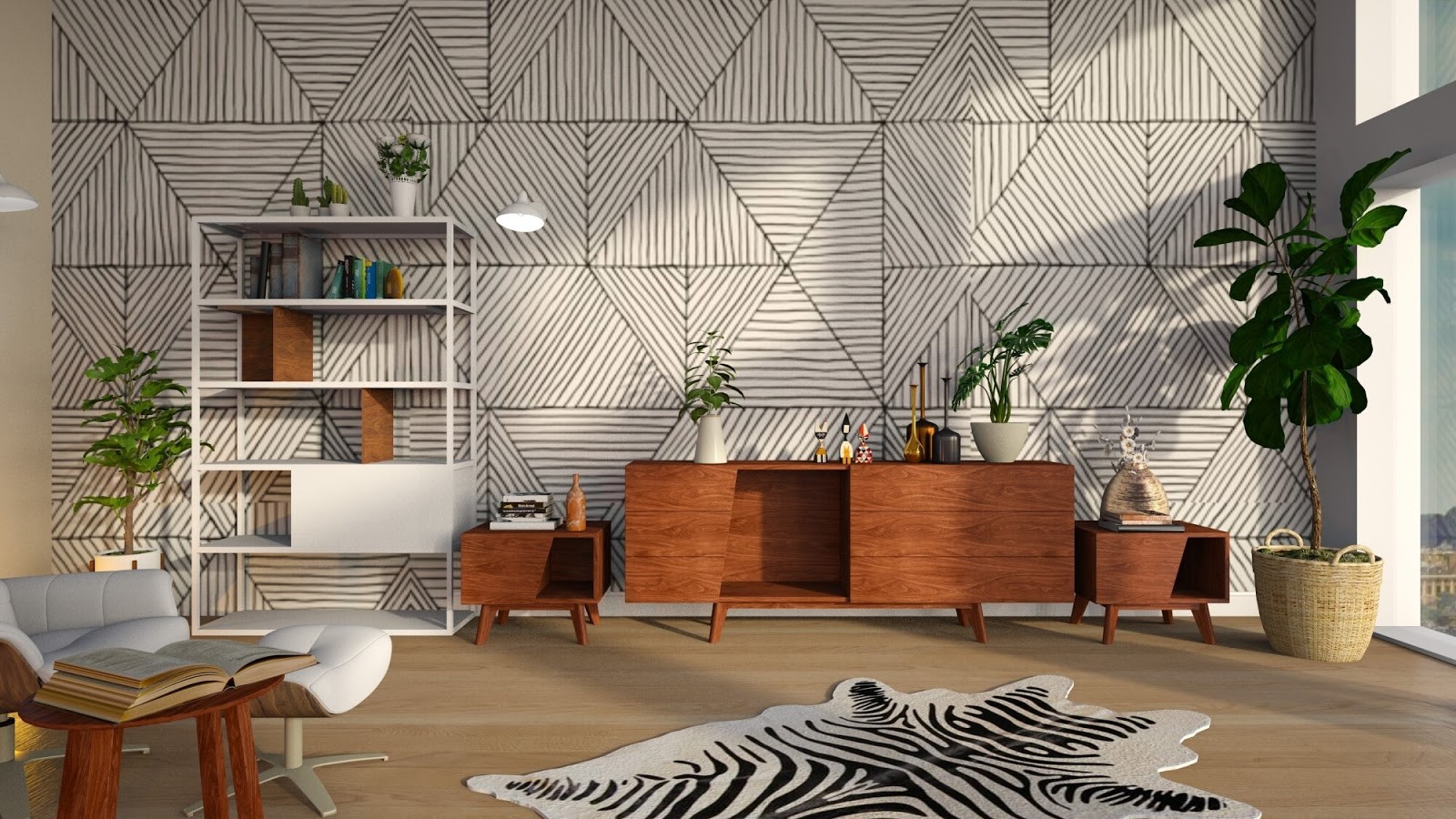
Do you want to incorporate plants into your modern design?
Modern design is a growing trend in the interior decorating industry. Modern design actually refers to an era of interior design. If you’re looking for clean lines and colors, that would be a contemporary design.
Modern design is ideal for people looking for a minimalistic design. There are minimal decorations and uncluttered places. However, you may start feeling like your design is boring.
If you want to enhance your design, consider incorporating plants. Plantlife and vegetation can bring life into any space. Read on to discover some great ways to incorporate plants into your home.
1. Analyze the Room and Strategize
Plants are a great creative expression and storytelling medium. Many modern landscape design experts focus their craft on plant lighting and purpose. If you want plants in your home, there’s more to it than placing pots around your home.
It’s crucial to consider these factors along with your lifestyle. The first step to incorporating plant life into a modern design is analyzing. You want plants that flow with your current contemporary design.
Factor in the strongest and weakest points of your space. Identify places that you brighten up with plants. You can add static pieces to areas that have a lot going on.
Consider your current furniture and decor. Contemporary designs often have large breathing rooms and extra seating. You can accent neutral palettes with botanical life.
Walk around the room and observe the room from different perspectives. This will allow you to decide the best places to put your plants.
Ready to work plants into your home? Check out Potsplantersandmore.com for wholesale plants and planters.
2. Use Textured Plants
Modern design often demands the use of clean lines and minimalistic colors. A standard contemporary design will have neutral palettes like black, grey, and white. You can juxtapose this with the use of textured plants.
The Alocasia, or Elephant’s Ear, is a great example. This contributes to clean and sharp lines but works great with a neutral palette. If you want to mix texture with color and form, look into the New Zealand Flax.
This plant has long and leathery leaves that look like swords. They fan out and create a bold shape and maintain their form with good maintenance.
Carex is a great alternative if you’re looking for a more delicate plant. You can pair this with bolder plants to add flow to your indoor garden. The Aucuba is another plant with glossy green leaves.
They also add a pop of color with red berries. Pair this with red accents like pillows and carpets for an edgy look.
3. Plan According to Plant Care
Adding plants into your home is a huge investment in money, time, and effort. Once you decided which spaces in your home that need life, choose plants that fit your lifestyle. You don’t want to fill your home with plants only to have them die.
For beginner plant caretakers, consider the Jade plant. These plants only require moderate direct light. You can also place them in your living room to absorb high indirect light levels.
Jade requires low water, so allow the soil to completely dry before watering again. You can prune this plant to maintain a compact shape. Ferns and polka dot plants are great for terrariums.
You can keep this plant indoors. Mist your ferns often but keep them in moist soil. Ensure to use organic matter for planting ferns.
If you’re looking for a starter plant that will last you years, get the Dieffenbachia. This plant needs frequent watering, especially during the summer seasons. Use soil that drains well or invest in an African Violet soil mix.
4. Mix Geometry and Scale
If you want to add softer edges to your modern design, consider the Fiddle Leaf Fig. This plant has large round leaves that add a substantial presence. You can put this in an empty corner of your room to round it out.
A single large Fiddle Leaf Fig plant has over twenty to thirty lives. This allows you to preserve the contemporary look without overloading it with details. You can place this plant in a woven pot to make it flow with your current design.
This also adds a tropical look to your home, perfect for the summer. If you want harder edges, look into the Snake Plant. This is the perfect houseplant for starters because it’s easy to maintain.
It adds a great silhouette to areas with moody lightings, like the bathroom or bedroom. Large plants are perfect if you want them to be your centerpiece. These plants are best paired with minimalistic interiors.
If you have a more compact home, consider using small plants. These plants are versatile and low maintenance, perfect for the coffee table. Air plants, English Ivy, and Aloe Vera are best.
However, if you plan on using English Ivy, keep them away from your pets. These plants are poisonous when eaten.
5. Use Cacti
Cacti are the most versatile houseplants if you can’t commit to high-maintenance plants. These plants are best under sunlight but are also perfect for indoors. Cacti only minimal water and well-drained soil.
The best thing about cacti is that there are various species. You’re sure to find one that fits your interior design. If you’re looking for compact cacti for the windowsill, check out the Bunny Ears cactus.
This cactus grows up to two to three feet. With enough sunlight, your cactus can produce white flowers and purple fruits. If you’re looking for a pop of color, consider the chin cactus.
This cactus sprouts pink flowers and has a purple undertone. You may also try the Easter cactus. This cactus blooms between late winter and early spring.
Its flowers range from white to lavender and orange. The spines stack on top of each other, offering a unique silhouette. The Christmas Cactus has red flowers that bloom during the late winter.
Incorporate Plants into Your Modern Design Today
Want to spice up your modern design? Try out these five ways and incorporate plants into your home today.
Looking to try out a new interior design technique? Check out our other blog posts for more interior designing tips and tricks.