These days, individuals who are 65 years old or older have more Medicare coverage choices available to them compared to previous generations. A majority of Americans have over 25 plans to select from, with each of them having different copays, premiums, and alliances with pharmacies and medical providers.
With all of the different choices that are available, it is important to review all of the options and select the one that will work the best for you.
The following are six tips from www.Medisupps.com for you to consider before you choose your Medicare plan:
1. Review Your Coverage Options
Check your current coverage to make sure you are happy with everything. Does anything need to be added before your next enrollment period comes up? It can be very helpful to ask yourself those questions if you are just getting enrolled in Medicare for the first time.
Some other useful questions include the following:
- Would you like to keep your current physicians?
- Do you spend time at your vacation house part of the year or travel regularly?
- How frequently do you have medical appointments or need other services?
- Do you regularly take prescription drugs?
Depending on which plan you select all or some of these questions might impact your final decision.
2. Current insurance plan
Before you enroll in Medicare, make sure you review any current insurance plans you are planning to continue to use. Check with your insurance agent or benefits representative to find out how the coverage of the plans works with your Medicare plan.
3. Primary care providers
If it important for you to stay with your present healthcare provide, you need to know whether or not they participate in the plans you are considering.
If you select traditional Medicare, it is more likely that you will have the option to remain with your present provider. If you are considering an HMO Advantage Plan, then you must choose a primary care physician from the approved doctors’ list.
A PPO Advantage Plan offers a bit more freedom and you not have to use the plan’s approved network physicians. However, in that case, you will need to pay higher out-of-pocket fees.
4. Prescription drug coverage
Prescription drug costs are not covered by Traditional Medicare. If you are interested in this kind of insurance, you will have to purchase a Medicare Advantage plan that includes this type of coverage or buy the Medicare Part D plan. Visit Medisupps.com for more information.
5. Second home or frequent travel
If you spend a significant amount of time at a second home or frequently travel throughout the U.S, you may want to consider a traditional Medicare plan. Locations all across the country accept traditional Medicare and you do not have to choose a primary care physician or get referrals to see a specialist.
PPO and HMO Medicare Advantage plans only cover certain regional areas. You also might be required to see doctors that belong to their approved network or coordinate your care through a primary care doctor.
6. Cost
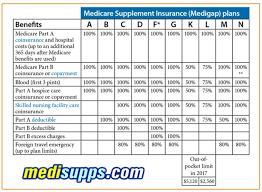
Medicare Part A is provided to most people at no charge. It covers hospital care. Part B is an elected plan that has a monthly premium and covers medical care
If you receive Office Of Personnel Management, Railroad Retirement Board, or Social Security benefits, your Part B monthly premium is automatically deducted from your benefit payments. You will receive a bill if you don’t receive those benefit payments.
You will also have a monthly premium to pay if you get a Medicare Care Plan D to cover prescription drugs. The cost of the coverage will depend on which plans are available in your local area.