Heating Your Home Wisely: The Ultimate Guide to Comparing Heating Systems – Discover the best ways to keep your home cozy while saving on energy costs.
Choosing the right heating system is crucial for homeowners, energy savers, and environmentalists. A suitable system ensures comfort, affects energy bills, and influences environmental impact. This guide compares four popular heating options—Gas, Electric, Heat Pumps, and Solar—focusing on their efficiency, cost, and environmental implications to help you make an informed decision.
Gas Heating Systems
Gas heating systems are a common choice for many homeowners due to their reliability and consistent performance. These systems work by burning natural gas to generate heat, which is then distributed through ducts or radiators. One of the significant advantages of gas heating is its efficiency. Gas furnaces can quickly heat a home, making them ideal for colder climates where rapid heat is essential.
However, like any system, gas heating has its drawbacks. One primary concern is the cost of natural gas, which can fluctuate depending on market conditions. While often cheaper than electricity, gas prices can vary, impacting your monthly energy expenses. Additionally, installing a gas furnace can be costly if your home doesn’t already have a natural gas line.
From an environmental perspective, gas heating systems pose some challenges. Burning natural gas emits carbon dioxide and other pollutants into the atmosphere, contributing to greenhouse gas emissions. Although more eco-friendly than coal or oil, gas is not as clean as some other heating alternatives. Homeowners who prioritize environmental impact may want to consider other options.
Electric Heating Systems
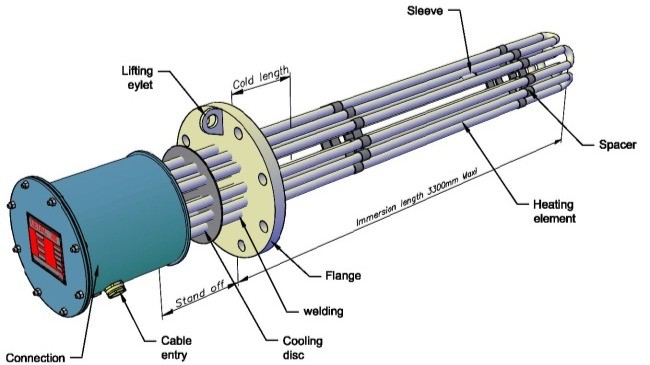
Electric heating systems are another popular choice, known for their ease of installation and versatility. These systems convert electricity into heat, which is then distributed throughout the home via baseboards, radiators, or underfloor heating. One of the main advantages of electric heating is its energy efficiency. Electric heaters convert nearly all the electricity they use into heat, ensuring no energy is wasted during operation.
Despite their efficiency, electric heating systems come with higher running costs compared to gas. Electricity tends to be more expensive than natural gas, leading to increased energy bills, especially in regions with high electricity rates. However, the initial installation cost of electric systems is usually lower since they don’t require complex ductwork or gas lines.
Environmentally, electric heating systems can be a mixed bag. If your electricity comes from renewable sources, such as wind or solar, then electric heating can be a green choice. However, if your electricity is generated from fossil fuels, the environmental impact can be significant. It’s essential to consider your local power grid’s energy mix when evaluating the environmental implications of electric heating.
Heat Pump Systems
Heat pumps have gained popularity in recent years due to their energy efficiency and potential for long-term savings. These systems work by transferring heat from the outside air or ground into your home, using electricity to move the heat rather than generate it directly. This process makes heat pumps highly efficient, often achieving efficiency levels of 300% or more, as they produce more energy than they consume.
The primary advantage of heat pumps is their cost-effectiveness over time. While the upfront costs of purchasing and installing a heat pump can be higher than other systems, the long-term savings on energy bills can offset these initial expenses. Heat pumps also offer the added benefit of providing both heating and cooling, making them a versatile option for homeowners.
However, heat pumps may not be suitable for all climates. In regions with extremely cold temperatures, the efficiency of air-source heat pumps can decrease, requiring a supplementary heating source, such as a fireplace like those available in Salt Lake City. Geothermal heat pumps, which draw heat from the ground, offer more consistent performance but come with higher installation costs due to the need for ground loop systems.
Solar Heating Systems
Solar heating systems offer an environmentally-friendly solution for homeowners looking to minimize their carbon footprint. These systems use solar panels to collect energy from the sun, which is then used to heat water or air for your home. One of the most significant benefits of solar heating is its sustainability. Solar energy is renewable and produces no emissions, making it an excellent choice for environmentally-conscious homeowners.
Financially, solar heating systems can provide substantial savings in the long run. Although the initial installation costs can be high, government incentives and rebates can offset these expenses. Once installed, solar systems have low operating costs, as sunlight is free and abundant. Over time, the savings on energy bills can make solar heating a cost-effective option.
However, solar heating systems come with some challenges. The effectiveness of solar heating depends on your location and climate, as areas with limited sunlight may not reap the full benefits. Additionally, solar systems often require regular maintenance to ensure optimal performance. Despite these drawbacks, solar heating remains an attractive option for those committed to sustainability.
Conclusion
Selecting the right home heating system is crucial for homeowners interested in energy efficiency and sustainability. Options like gas, electric, heat pumps, and solar systems each come with unique benefits and challenges. Considering factors such as climate, budget, and environmental goals is key. Heat pumps and solar systems are particularly effective for energy efficiency.