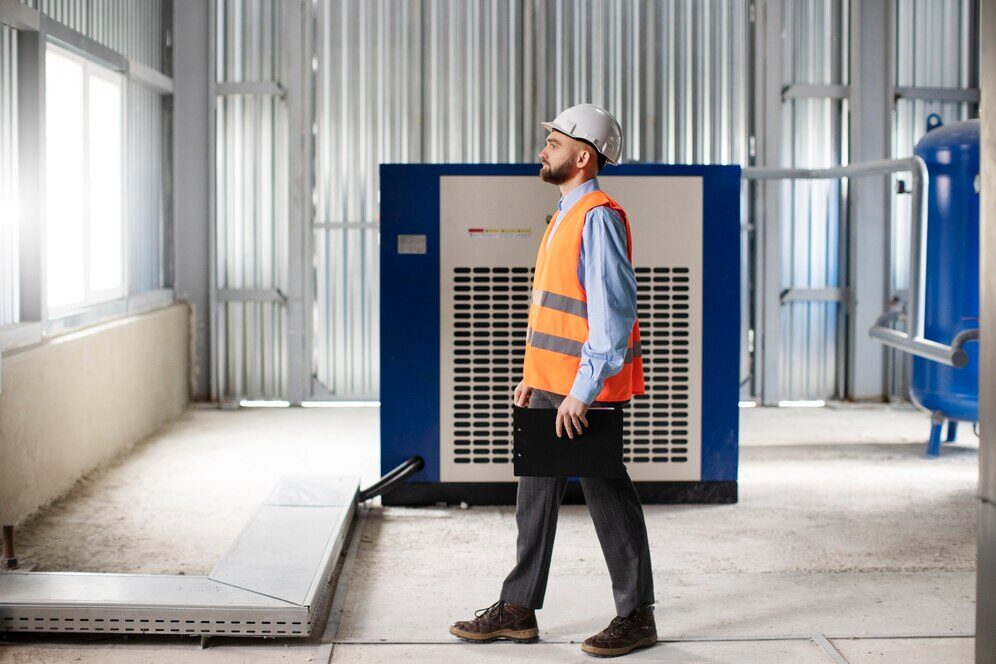
Commercial buildings are under increasing scrutiny to become more energy efficient and sustainable. Not only are government regulations tightening, but a more conscientious client base is choosing to support only those projects with green initiatives. As a result, more and more commercial construction projects are prioritizing the implementation of robust air barrier systems in their designs. By creating more airtight structures, architects can improve energy efficiency and promote the indoor air quality for building occupants.
What Is An Air Barrier?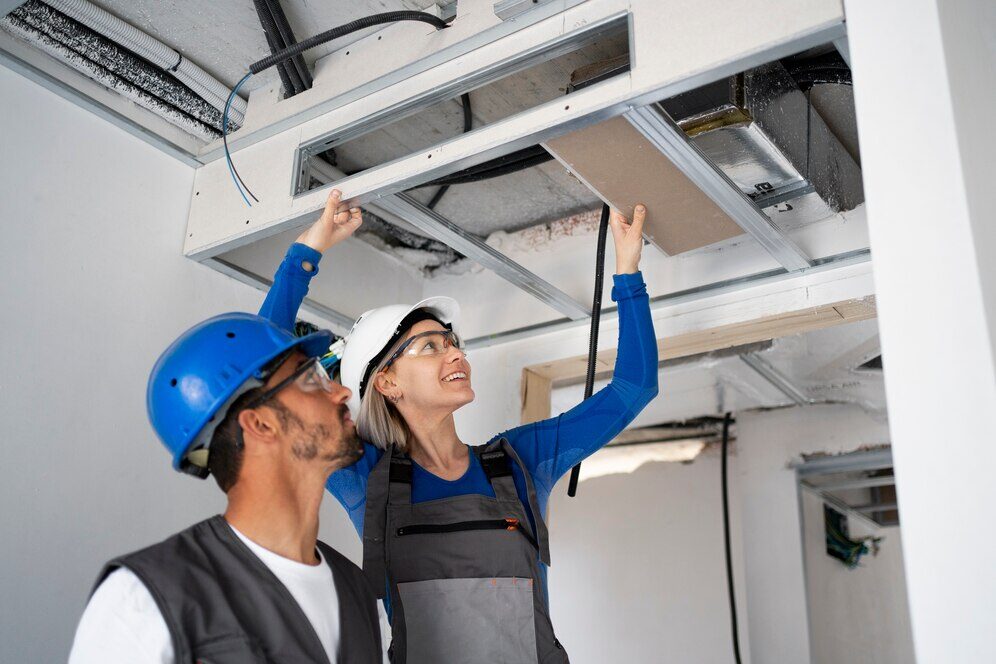
An air barrier is a combination of interconnected materials, assemblies, sealed joints, and components of the building enclosure that minimize air leakage. By controlling air that leaks into and through the building envelope, it plays the dual purpose of minimizing moisture carried by air particles from compromising the structure. A successful air barrier should be continuous and compatible with all other building components. If not, pressure differences between the interior and exterior of the structure will accumulate at the point of weakness and create a condition of unwanted air transfer through the building enclosure.
Components of Effective Air Barrier Systems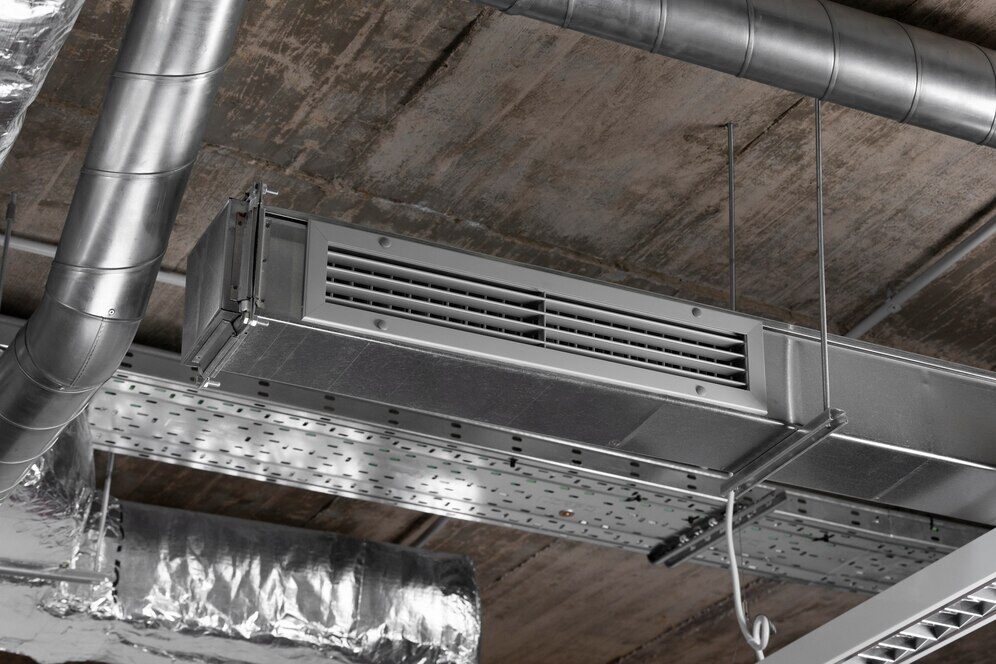
Building wrap is a core component of air barriers. It is a type of continuous membrane that adheres to structural walls. It can also be applied in the form of liquid flashing for some applications that have unique geometries or uneven substrates. There are two main styles of air barriers:
- Permeable air barriers – this tends to be the preferred air barrier in most climates. While it keeps bulk air and moisture out of the building enclosure, it allows any moisture that does enter the walls to slowly diffuse out in the form of water vapor. This is necessary in cold climates where warm interior conditions clashing with frigid exterior temperatures can cause condensation in the building’s walls.
- Impermeable air barriers – like permeable air barriers, impermeable air barriers keep bulk air and water out of the building envelope. However, they allow for no vapor diffusion of moisture that does get into the enclosure, creating a challenge in humid areas and those prone to condensation. Impermeable barriers require deft application and are generally used as a secondary means of protection after exterior wall insulation.
While building wrap and flashing are key components of creating an air barrier system in commercial buildings, they must work in conjunction with the rest of the structure to ensure optimal airtightness.
Cladding
Cladding is the initial defense against bulk air ingress. Structural steel is trending in commercial applications for its elite wind and impact resistance. This guarantees an airtight facade in all weather conditions. Buildings that want a more varied appearance are leveraging rainscreen cladding. This innovative system consists of a bearing wall, insulation layer, and cladding material fixed to the building using a support structure. This creates an air cavity between the load-bearing wall and cladding material for continuous ventilation. The initial cladding layer can be engineered into a wide range of aesthetic designs, helping commercial buildings achieve a greater range of exterior appearances.
Windows
Degraded windows are a natural point of air ingress into a commercial building. Older frames should be patched up with an adequate air and water sealant to keep window-to-wall transitions strong. Buildings looking to fortify their window infrastructure may choose robust hurricane-grade storm windows. Using structural steel frames and reinforced glass panels, these heavy-duty windows offer the highest wind and impact resistance on the market for ongoing airtightness in adverse conditions.
Roofing
Like cladding, quality roofing is a primary protector against bulk air transfer. As many commercial buildings feature flat roofs that are exposed to a high volume of traffic, it is essential that the roofs have ample load-bearing capacity to avoid acute damage. Reinforced beams and girders, as well as substrate b-decking, are some ways to allow commercial buildings to handle greater loads. Roof cover board, roof curb, and flashing are additional means of protecting the roof from damage that could lead to leaks.
Testing for Airtightness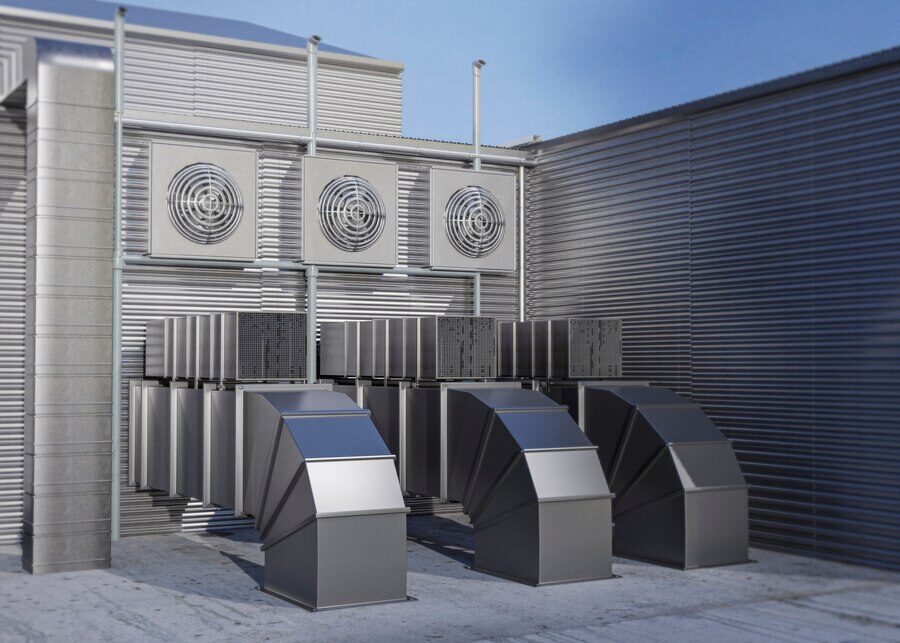
As the United States government eyes net-zero operations by 2050, standards for airtightness and energy efficiency are becoming increasingly stringent. Just having the right infrastructure in place is not enough–the building must be able to pass the test.
The Air Barrier Association of America (ABAA) combines air barrier material requirements and assembly testing into one package to create the most holistic appraisal of a building’s airtightness. To identify leaks or substandard performance in the building enclosure, a blower door test may be used. In addition, it is critical to regularly inspect and service the HVAC system and implement air volume dampers for increased air efficiency within the duct system.
A Holistic Approach to Air Barrier Systems in Commercial Projects
With increasing pressure to create energy efficient structures, designers and architects are implementing robust air barrier systems in commercial construction projects. By fully integrating all elements of the cladding, sheathing, and related components, it can limit unwanted air transfer into and out of the building for a more sustainable structure. For more commercial construction trends shaping the Texas Gulf Coast, explore the content at The Katy News for the leading insights in the region.