For many people, one of the most pressing health concerns is how to lose weight.
Consuming fewer calories or energy can aid in losing weight because people gain weight when they consume more than they burn. The type of food you eat, your body type, your metabolism, your hormones, and your lifestyle are all additional factors that play a role.
OVERVIEW
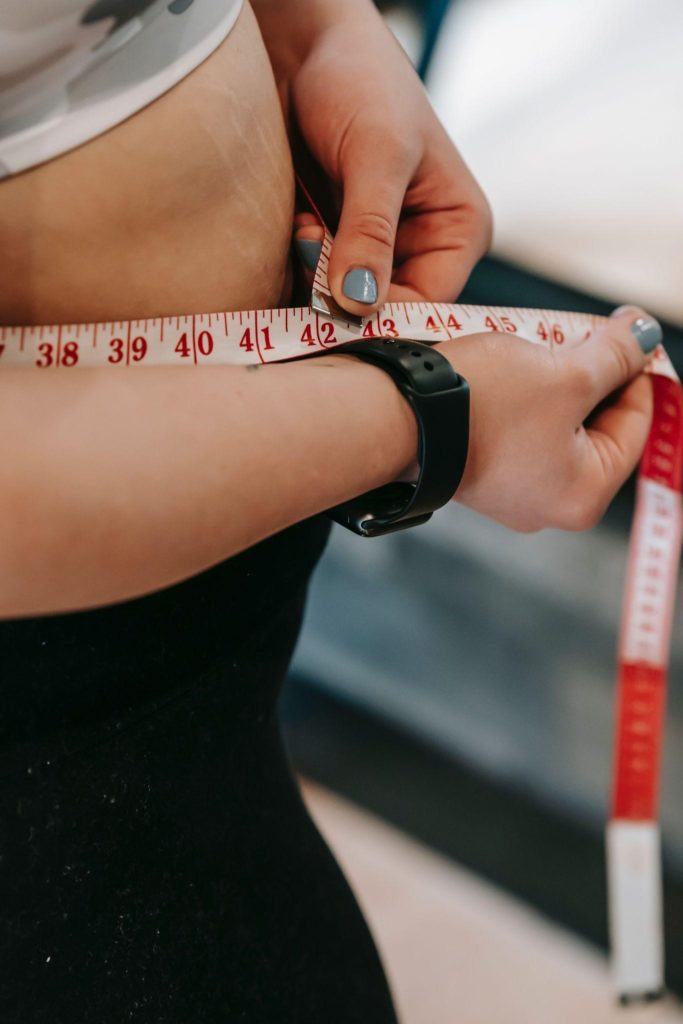
There are ways to lose weight safely if your doctor advises it, even though weight loss is not the solution to every health issue. The most successful long-term weight management calls for a consistent weight loss of 1 to 2 pounds per week. However, many diets intended to aid in weight loss leave you feeling hungry or unsatisfied, or they exclude important food groups and are not long-term solutions. For the reasons listed above, you may find it challenging to maintain a healthier eating plan. Everybody has different needs, so you might benefit more than someone else from a particular eating strategy or tip. There are some general guidelines that apply when you’re trying to lose weight, regardless of whether you find that a diet high in whole foods or low in carbohydrates helps you lose weight. Learn more about weight loss motivation app on Lasta here: https://lasta.app/
Here are some weight-loss strategies supported by science that emphasize sensible carbohydrate selection and healthy eating.
- reduce your appetite and hunger levels while keeping you satisfied
- produce consistent weight loss over time
- help improve your metabolic health at the same time.
While some of these suggestions may be useful if you want to lose weight quickly, rapid weight loss is rarely long-lasting. Focusing on long-term health and behaviors you can maintain will help you feel better and be more likely to lose weight permanently.
HOW TO LOSE WEIGHT IN THREE SIMPLE WAYS
- Cut back on refined carbs
- Move your body
- Eat proteins, Fats, and vegetable
Losing weight is beneficial for a variety of reasons, such as:
- a higher risk of diabetes
- stroke
- certain types of cancer
Why lose weight?
Appearance: Some people might believe that losing weight will make them appear more attractive, fitter, or healthier.
Body image and self-confidence: Some obese or overweight people might feel self-conscious about how they look.
Overall health: Maintaining a balanced weight can improve overall health and fend off conditions like type 2 diabetes.
Specific conditions: When a person loses extra weight, for instance, their type 2 diabetes or sleep apnea symptoms may get better or disappear altogether.
Fitness: A person may feel fitter, have more energy, and stamina after completing an exercise-based weight-loss program.
Spot competition: When participating in certain sports, such as boxing, a person may try to maintain a certain weight range.
Fertility: If women with obesity and polycystic ovary syndrome (PCOS) lose weight before treatment, it appears that fertility treatment will be more successful.
WEIGHT CONTROL
By including a well-balanced diet and frequent exercise, one can successfully manage their body weight. The ability to control one’s weight may also be aided by getting enough sleep. According to a review issued in 2018 by Trusted Source, there is evidence to suggest that lack of sleep can increase cravings and appetite while also demotivating people to exercise. After losing weight, there are numerous ways to maintain weight control. Here are a few beneficial alternatives:
Avoid limiting diets: Overly strict calorie restrictions can cause slowing the metabolism and change the hormones that control appetite. Weight gain may result from this.
Exercise: Maintaining weight loss can be achieved with 200 minutes of exercise per week.
Be mindful of carbs: In some cases, a low-carb diet can assist in maintaining weight loss.
DAIETS
Numerous diets guarantee weight loss. Determining whether they are true can be challenging. Some are supported by evidence and are safe and effective, while others are not. A healthy, weight-reduction diet combined with regular physical activity typically yields the best results, especially over the long term, according to many dietitians, nutritionists, and health professionals.
CALORIES
How many calories a person needs to consume daily to lose weight depends on a variety of factors. Among these factors are:
- Wished-for weight loss
- Age
- Sex, and
- Desired rate of weight loss
Recommended daily calories for men
Age 19-20
- Sedentary: 2,600
- Moderately active: 2,800
- Active: 3,000
Age 21-30
- Sedentary: 2,400
- Moderately active: 2,600-2,800
- Active: 3,000
Age 31-50
- Sedentary: 2,200-2,400
- Moderately active: 2,400-2,600
- Active: 2,800-3,000
Age 51 plus
- Sedentary: 2,000-2200
- Moderately active: 2,200-2,400
- Active: 2,400-2,800
Recommended daily calories for women
Age 19-30
- Sedentary: 1,800 to 2,000
- Moderately active: 2,000 to 2,200
- Active: 2,400
Age 31-50
- Sedentary: 1,800
- moderately active: 2,000
- Active: 2,200
Age 51 plus
- Sedentary: 1,600
- Moderately active: 1,800
- Active: 2000 to 2,200
A person should consume fewer calories than those indicated above if they want to lose weight. Maintaining a balanced, healthy diet is crucial. If at all possible, a person should consult a dietitian, nutritionist, or physician before making any dietary changes. To maintain good health, a person should make sure their protein, carbohydrate, and fat ratios are appropriate.